


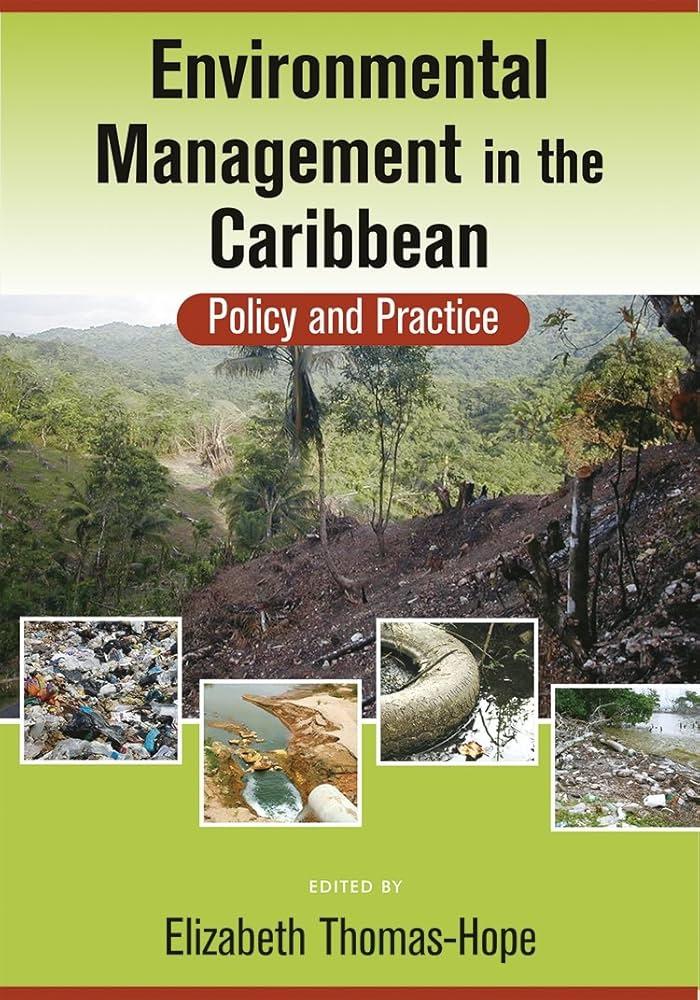
In an era marked by escalating environmental challenges and an urgent need for sustainable solutions, the Caribbean region is emerging as a pivotal player on the global stage. Renowned for its stunning biodiversity and unique ecosystems, the Caribbean faces existential threats from climate change, rising sea levels, and environmental degradation. However, the voices of Caribbean nations are increasingly resonating in international dialogues, influencing policies that extend far beyond their shores. As these nations come together to advocate for climate justice, marine conservation, and sustainable development, their efforts not only address local concerns but also contribute to shaping robust global environmental policies. This article explores the pivotal role of Caribbean voices in the ongoing discourse around environmental stewardship, highlighting key initiatives, collaborations, and the inherent wisdom that these island nations bring to the forefront of global sustainability efforts.
Table of Contents
- Caribbean Perspectives on Climate Change: Driving Local and Global Conversations
- Indigenous Knowledge and Practices: A Crucial Component in Environmental Policy Making
- Collaboration for Sustainability: Strengthening Partnerships Across Borders
- Empowering Future Generations: Education and Advocacy in Caribbean Environmental Initiatives
- Key Takeaways
Caribbean Perspectives on Climate Change: Driving Local and Global Conversations
The Caribbean region, renowned for its breathtaking landscapes and vibrant cultures, is increasingly becoming a focal point for climate change discourse. Local communities are not merely passive observers; they are actively contributing to the global conversation on environmental policies. By highlighting their unique experiences with rising sea levels, increased hurricane intensity, and biodiversity loss, Caribbean voices are advocating for tailored solutions that resonate not just within their borders but also on the international stage. Through grassroots movements and advocacy groups, these communities are channeling their experiences into a powerful narrative that emphasizes the urgency of climate action.
Several key initiatives exemplify how the Caribbean is leading the charge in shaping global environmental policy:
- Climate Resilience Projects: Local projects focus on sustainable agriculture, water preservation, and ecosystem restoration.
- Regional Collaborations: Partnerships among Caribbean nations facilitate knowledge-sharing and resource allocation to combat climate challenges.
- International Advocacy: Caribbean leaders are consistently demanding climate justice and equitable resource distribution at global platforms like the UN Climate Change Conferences.
| Initiative | Focus Area | Impact |
|---|---|---|
| Sustainable Coastlines | Beach and mangrove preservation | Reduced coastal erosion |
| Resilient Communities | Disaster preparedness training | Enhanced community response |
| Policy Advocacy | Climate change legislation | Stronger local laws |
Indigenous Knowledge and Practices: A Crucial Component in Environmental Policy Making
Indigenous peoples possess a deep-rooted understanding of their ecosystems, honed over generations, which serves as a significant resource for effective environmental policymaking. Their knowledge encompasses sustainable practices that are often overlooked by contemporary scientific approaches, emphasizing a holistic relationship with nature. Key aspects of this knowledge include:
- Ecological Management: Indigenous communities have long practiced land and resource management techniques, such as rotational farming and agroforestry, that maintain biodiversity and soil health.
- Traditional Ecological Knowledge (TEK): This includes unique methods of tracking animal behavior, weather patterns, and seasonal changes, offering insights into climate adaptation strategies.
- Community Governance: Indigenous governance systems prioritize collective decision-making, ensuring that policies reflect the needs and practices of local contexts.
Incorporating Indigenous practices into modern environmental policies not only strengthens ecological resilience but also fosters social equity by recognizing the rights of Indigenous communities. Collaborative frameworks between policymakers and Indigenous leaders can lead to more comprehensive solutions to pressing environmental issues. For example, a recent study highlighted:
| Collaborative Initiatives | Outcome |
|---|---|
| Coastal Restoration Projects | Increased biodiversity and restoration of mangrove habitats |
| Water Conservation Programs | Enhanced sustainability of local fisheries and water sources |
Such collaborations exemplify how honoring Indigenous perspectives can guide global environmental policies towards sustainability, fostering resilience in the face of climate change and ecological degradation.
Collaboration for Sustainability: Strengthening Partnerships Across Borders
To foster a more sustainable future, it is imperative that nations collaborate and share best practices, especially in regions like the Caribbean, where environmental challenges are often exacerbated by limited resources. Cross-border partnerships are essential for pooling knowledge, technology, and financial resources. By engaging in dialog and forming alliances, Caribbean nations can amplify their voices at international forums, ensuring that their unique perspectives and challenges are included in global environmental policymaking. This collaborative approach not only enhances local resilience but also contributes to the global agenda for sustainable development.
Emphasizing the importance of collective action, organizations across the Caribbean are initiating projects that transcend national borders. Such initiatives focus on key areas such as:
- Climate Change Adaptation: Developing robust strategies to mitigate the impacts of climate change.
- Marine Conservation: Protecting and restoring critical marine ecosystems through shared resources.
- Renewable Energy Transition: Collaborating on innovative technologies to promote sustainable energy sources.
By establishing these strategic partnerships, Caribbean nations can leverage their individual strengths, creating a united front that elevates local efforts to global prominence. An example of successful collaboration is depicted in the table below, showcasing a few notable partnerships and their impacts:
| Partnership | Focus Area | Impact |
|---|---|---|
| Caribbean Biodiversity Fund | Conservation | Protects over 3 million acres of vital habitats |
| Renewable Energy Initiative | Energy | Increased renewable energy capacity by 40% |
| Climate Resilience Network | Adaptation | Developed comprehensive adaptation plans for 10 countries |
Empowering Future Generations: Education and Advocacy in Caribbean Environmental Initiatives
The Caribbean region has long been a beacon of biodiversity, but the ongoing challenges posed by climate change and environmental degradation necessitate a renewed focus on education and advocacy. Local communities are increasingly empowered through initiatives that foster a deep understanding of their unique ecosystems. By integrating traditional knowledge with modern conservation techniques, educational programs aim to cultivate future leaders who can advocate for sustainable practices. These initiatives often incorporate hands-on learning experiences that enable youth to engage directly with their environments, fostering a sense of responsibility and stewardship for the natural world.
Moreover, the role of community advocacy in shaping global environmental policies cannot be overstated. Grassroots organizations and coalitions are mobilizing to amplify the voices of Caribbean citizens in international forums, ensuring that their perspectives are not only heard but also prioritized. This collective action results in a diverse range of strategies, fostering a culture of collaboration across borders that is essential for addressing transboundary environmental issues. Key components of these advocacy efforts include:
- Capacity Building: Providing training and resources to local leaders.
- Policy Engagement: Direct involvement in drafting and promoting new environmental laws.
- Community Outreach: Engaging with broader public to raise awareness.
- Networking Opportunities: Creating platforms for sharing best practices and experiences.
Key Takeaways
the Caribbean region stands at the forefront of a crucial dialog on environmental sustainability and global policy-making. As small island developing states confront the multifaceted challenges posed by climate change, their unique experiences and perspectives offer invaluable insights that resonate far beyond their borders. By leveraging their ecological wealth and advocating for tailored policy initiatives, Caribbean nations are not only shaping their own futures but also influencing international environmental agendas.
The resilience and innovation demonstrated by Caribbean voices are reminders of the profound interconnectedness of our global community. As we move forward, it is imperative that these nations continue to receive the support and recognition they deserve, ensuring that their contributions to global environmental policy are both acknowledged and integrated. As discussions around climate change intensify, it is clear that the Caribbean will remain a vital player in the quest for sustainable solutions, championing efforts that prioritize both environmental integrity and social equity. The world must listen—and learn—from the Caribbean’s enduring commitment to a more sustainable future for all.