


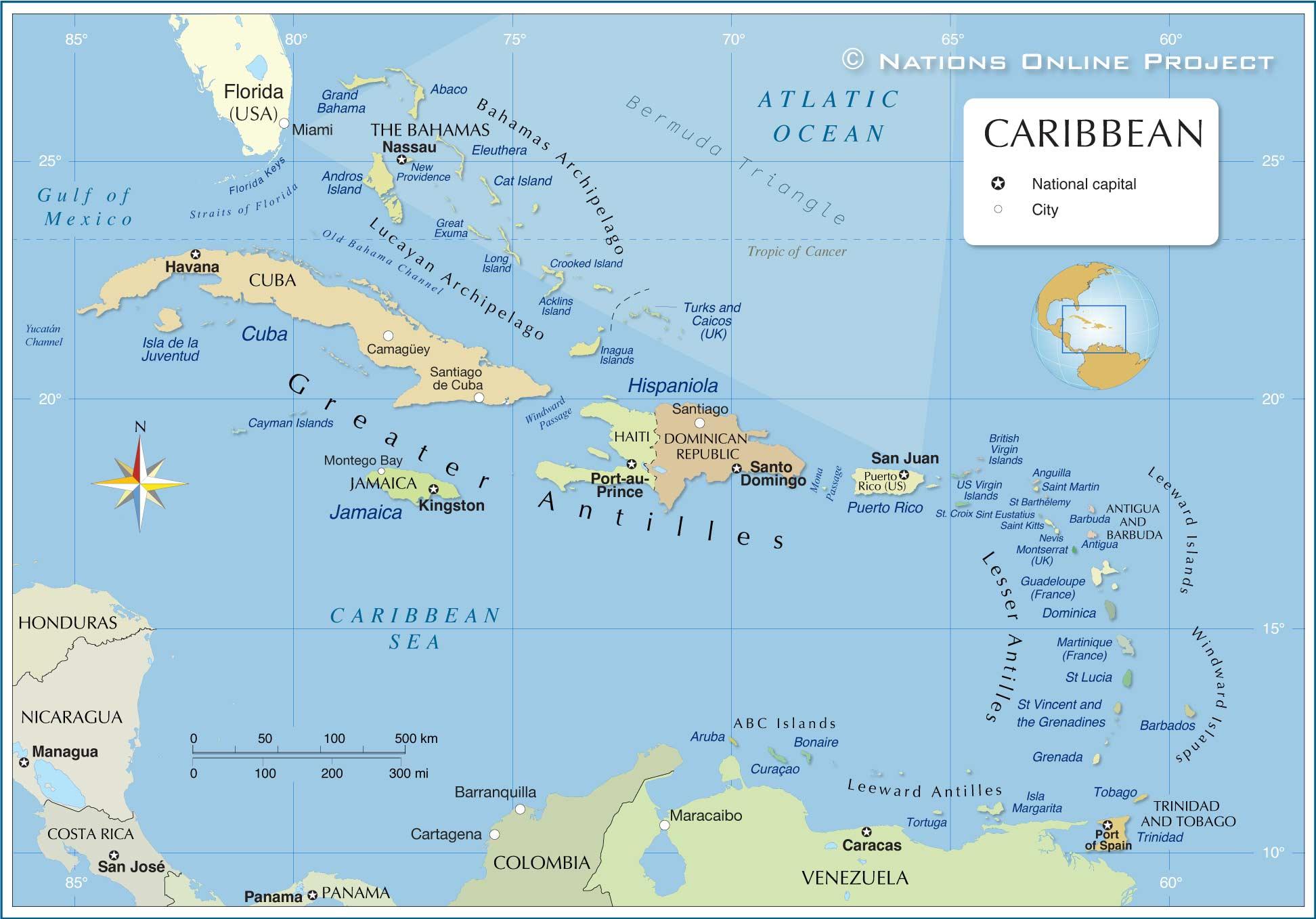
Introduction:
As the world grapples with the increasingly urgent realities of climate change, the Caribbean region finds itself at a crossroads, defined by both inherent vulnerabilities and remarkable potential for innovation. With its lush landscapes, vibrant ecosystems, and rich cultural heritage, the Caribbean is not only a paradise for millions of visitors but also a frontline battleground in the fight against climate impacts. Rising sea levels, intensifying storms, and unpredictable weather patterns threaten the very fabric of life in these island nations, making climate resilience not just a necessity but an imperative for survival. In this article, we will explore the diverse strategies that Caribbean nations are implementing to forge a path toward sustainability and resilience. From harnessing renewable energy resources to enhancing disaster preparedness and fostering community engagement, the region is taking bold steps to safeguard its future. Join us as we delve into the innovative practices and collaborative efforts that hold promise for building a resilient Caribbean—a region not only surviving but thriving amidst change.
Table of Contents
- Understanding the Unique Climate Challenges Facing Caribbean Nations
- Innovative Approaches to Sustainable Infrastructure Development
- Community Engagement and Education: Empowering Local Resilience
- Leveraging Regional Collaboration for Effective Climate Action
- In Conclusion
Understanding the Unique Climate Challenges Facing Caribbean Nations
The Caribbean islands face a myriad of climate challenges that stem from their geographical location and environmental vulnerabilities. Rising sea levels threaten to inundate low-lying areas, while increasing ocean temperatures fuel more severe hurricanes, creating a cyclical pattern of destruction. Moreover, the biodiversity in these ecosystems is being eroded, particularly coral reefs which act as natural barriers against storms and coastal erosion. Given these realities, it is crucial for Caribbean nations to establish comprehensive strategies for adaptation and mitigation that encompass both environmental sustainability and community resilience.
To effectively address these issues, Caribbean nations can adopt several key strategies:
- Investment in Renewable Energy: Transitioning to solar and wind energy can reduce dependency on fossil fuels and lower greenhouse gas emissions.
- Strengthening Coastal Infrastructure: Implementing robust coastal management practices to protect vulnerable ecosystems and communities.
- Disaster Preparedness Training: Establishing programs that educate residents on emergency responses and resilience-building measures.
- Policy and Legislation: Enforcing environmental laws that promote sustainable practices and protect natural resources.
| Climate Challenge | Possible Solution |
|---|---|
| Rising Sea Levels | Coastal Restoration Projects |
| Increased Hurricane Intensity | Enhanced Weather Forecasting Systems |
| Biodiversity Loss | Protected Areas and Conservation Efforts |
| Water Scarcity | Investment in Water Management Solutions |
Innovative Approaches to Sustainable Infrastructure Development
As Caribbean nations face the ever-pressing challenges posed by climate change, innovative approaches to infrastructure development are crucial for long-term resilience. One promising strategy involves the integration of green infrastructure practices, which utilize natural processes to enhance urban systems. This includes the implementation of green roofs, permeable pavements, and rain gardens that help manage stormwater while providing natural habitats. By adopting these methods, governments can effectively reduce urban heat islands and lower energy consumption while simultaneously enhancing biodiversity within city landscapes.
Another key tactic focuses on community-centric approaches that prioritize local needs and perspectives in infrastructure planning. Engaging residents in the decision-making process fosters a sense of ownership and accountability, ensuring that projects are more sustainable and culturally relevant. Examples of such initiatives include:
- Participatory budgeting for community-led climate adaptation projects
- Public workshops on sustainable building practices
- Collaborative design processes to reflect local heritage in new infrastructures
Through these efforts, Caribbean nations can align infrastructure development with the values and priorities of their citizens, thereby creating robust frameworks that withstand environmental stressors.
Community Engagement and Education: Empowering Local Resilience
In the face of climate challenges, fostering community engagement is crucial for building resilience in Caribbean nations. By mobilizing local populations, governments can harness indigenous knowledge and creativity, which often lead to innovative solutions tailored to specific environmental challenges. Community workshops, town hall meetings, and collaborative projects work to educate citizens on sustainable practices, enabling them to understand the impact of their actions. This collective effort empowers communities to take charge of their environment, ensuring that local voices are not only heard but integral to decision-making processes. An emphasis on education can give rise to initiatives such as:
- Community-based climate research
- Workshops on sustainable agriculture
- Training programs on disaster preparedness
- Collaborative restoration projects for ecosystems
Moreover, partnerships with educational institutions can enhance capacity building within communities, allowing for the integration of climate education into school curricula. By instilling sustainability principles in younger generations, we cultivate a culture of resilience that adapts to future challenges. Establishing mentorship programs that connect experienced professionals with local leaders can further strengthen community efforts by fostering a sharing of resources and knowledge. A valuable resource assessment approach could include:
| Resource | Potential Use | Priority Level |
|---|---|---|
| Water Management Systems | Irrigation and flood control | High |
| Renewable Energy Sources | Power generation for communities | Medium |
| Local Biodiversity | Ecological restoration and conservation | High |
Leveraging Regional Collaboration for Effective Climate Action
Collaboration among Caribbean nations is pivotal in fortifying our collective response to the climate crisis. By sharing resources, knowledge, and best practices, regional partnerships can amplify the effectiveness of climate initiatives. Countries can forge alliances to implement shared policies that tackle environmental issues on a broader scale. Examples of such collaborative efforts include:
- Joint Research Initiatives: Promoting scientific studies that focus on the specific vulnerabilities of Caribbean ecosystems.
- Shared Funding Programs: Pooling financial resources to support renewable energy projects and infrastructure development.
- Disaster Response Networks: Creating coordinated response teams to efficiently manage and recover from climate disasters.
Additionally, establishing a regional climate action framework can streamline efforts and foster accountability. This framework could include setting common goals and benchmarks for reducing greenhouse gas emissions, enhancing resilience, and adapting to climate impacts. A collaborative approach allows for leveraging comprehensive data, assessing climate risks collectively, and prioritizing resources where they are needed the most. Below is a simple table showcasing potential collaborative projects:
| Project | Collaborating Nations | Objective |
|---|---|---|
| Regional Mangrove Restoration | Jamaica, Barbados, Trinidad & Tobago | Strengthen coastal protection and biodiversity |
| Renewable Energy Transition | Bahamas, Dominica, Saint Lucia | Reduce reliance on fossil fuels |
| Climate Education Campaign | Guyana, Suriname, Belize | Raise awareness and promote sustainable practices |
In Conclusion
As we conclude our exploration of the innovative strategies Caribbean nations are employing to build climate resilience, it’s evident that the path forward is both challenging and inspiring. The threats posed by climate change are undeniable, yet the proactive measures being undertaken—from sustainable agricultural practices to enhanced disaster preparedness—underscore the determination of these nations to safeguard their ecosystems, economies, and communities.
The collaboration among governments, NGOs, and local communities is crucial in this endeavor. By sharing knowledge and resources, they are not only fortifying their immediate defenses against climate impacts but also setting a global standard for resilience and adaptation. As we keep a watchful eye on their progress, it’s important for the international community to support these efforts through investment, technology transfer, and dialog.
In the face of uncertainty, the Caribbean serves as a beacon of hope, demonstrating that adaptability and innovation can pave the way for a sustainable future. Let us all take inspiration from their journey and commit to fostering resilience in our own communities, wherever we may reside. After all, the fight against climate change is a collective one, and together, we can ensure a more stable and prosperous world for generations to come.
Thank you for joining us on this exploration of climate resilience strategies in the Caribbean. Stay informed, stay engaged, and let’s work together for a sustainable future.