


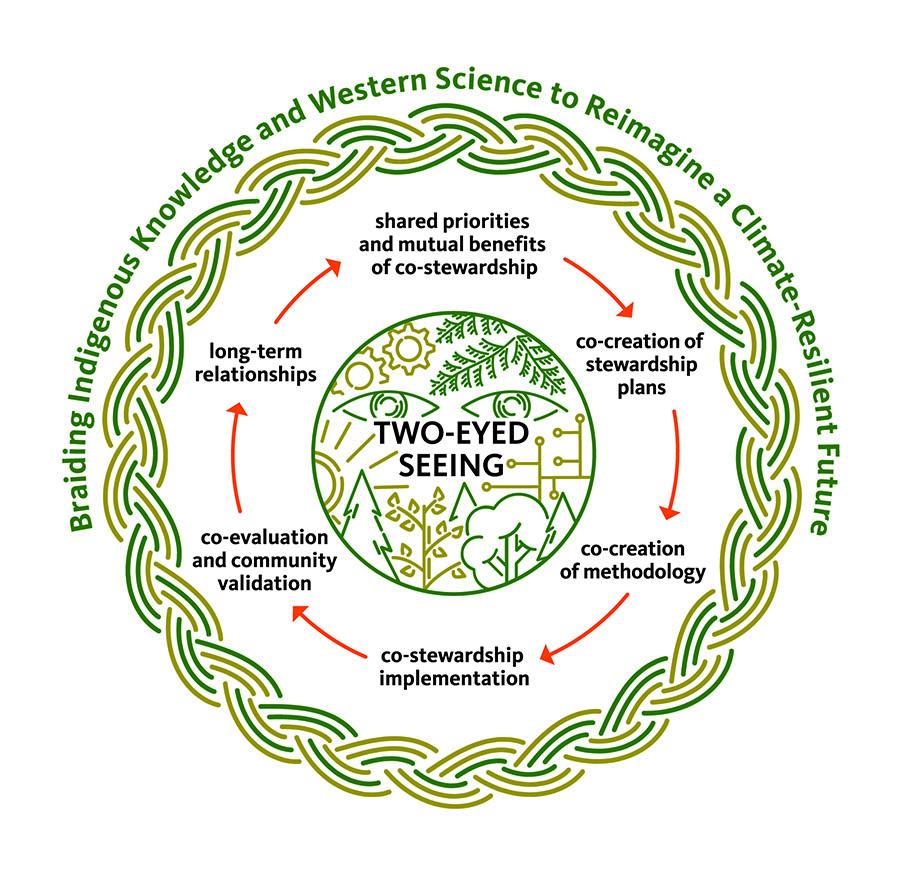
In an era where ecological challenges loom large on the horizon, the quest for effective conservation strategies has never been more urgent. Amidst scientific advancements and technological innovation, there lies a treasure trove of age-old wisdom that has sustained communities and ecosystems for generations: traditional knowledge. This rich tapestry of understanding—woven from the insights of indigenous peoples and local cultures—offers invaluable perspectives on biodiversity, sustainability, and resource management. As modern conservation efforts strive to navigate the complexities of a rapidly changing world, integrating this time-honored knowledge could be the key to forging a more holistic and effective approach to preserving our planet. In this article, we will explore the significance of traditional ecological knowledge, highlight successful examples of integration, and discuss the path forward for conservation practitioners committed to fostering collaboration with indigenous communities. Join us as we delve into a harmonious blend of old and new, and discover how respecting cultural legacies can inspire innovative solutions for our shared environmental future.
Table of Contents
- Understanding the Value of Traditional Knowledge in Biodiversity Conservation
- Building Collaborative Frameworks Between Indigenous Communities and Conservationists
- Implementing Best Practices for Integrating Traditional Ecological Knowledge
- Measuring the Impact of Combined Approaches on Ecosystem Health and Resilience
- The Conclusion
Understanding the Value of Traditional Knowledge in Biodiversity Conservation
Traditional knowledge, often passed down through generations, plays a vital role in biodiversity conservation. Indigenous communities possess profound insights into local ecosystems and species that can greatly enhance modern conservation strategies. These insights are cultivated through a deep relationship with nature, where practices are finely tuned to the rhythms of the environment. By acknowledging the impact of traditional practices, we unlock a wealth of sustainable approaches that have been tested over time, which can complement scientific methodologies.
Incorporating this knowledge into contemporary conservation efforts fosters a more holistic approach. For example:
- Resource Management: Traditional methods of harvesting can reduce overexploitation and promote regeneration.
- Habitats Preservation: Indigenous land stewardship often prioritizes the protection of critical habitats.
- Cultural Significance: Recognizing the cultural narratives associated with biodiversity can enhance community engagement.
To illustrate the convergence of traditional and scientific conservation approaches, the table below highlights examples of practices and their outcomes:
| Traditional Practice | Conservation Outcome |
|---|---|
| Rotation Grazing | Restores grassland ecosystems |
| Fire Management | Reduces fire risks and promotes biodiversity |
| Community Seed Banks | Preserves genetic diversity in crops |
Building Collaborative Frameworks Between Indigenous Communities and Conservationists
Effective partnerships between Indigenous communities and conservationists hinge on mutual respect and shared objectives. By fostering a collaborative environment, both entities can contribute their unique perspectives and expertise. This synergy allows for the integration of traditional ecological knowledge, which has been accumulated over generations, with scientific methodologies. Such collaboration can enhance conservation strategies in several ways:
- Enhanced Biodiversity Protection: Leveraging Indigenous wisdom on local ecosystems can lead to more effective conservation practices.
- Increased Community Engagement: Involving Indigenous voices in conservation efforts creates a sense of ownership and responsibility.
- Holistic Approaches: Combining different knowledge systems can result in more comprehensive solutions to environmental challenges.
To further solidify these relationships, establishing clear communication pathways is essential. Regular dialogue, facilitated workshops, and shared projects can bridge cultural and social gaps. An effective strategy is to create a collaborative framework that includes the following elements:
| Element | Description |
|---|---|
| Shared Goals | Define common conservation objectives that respect both Indigenous values and scientific principles. |
| Capacity Building | Invest in training sessions for both conservationists and Indigenous partners to enhance understanding and skills. |
| Resource Sharing | Facilitate access to funding, tools, and knowledge for sustainable practices. |
Implementing Best Practices for Integrating Traditional Ecological Knowledge
To effectively integrate traditional ecological knowledge (TEK) into modern conservation efforts, organizations must prioritize close collaboration with Indigenous communities. This involves fostering genuine partnerships where both sides communicate openly and respect each other’s expertise. Essential elements of this collaboration include:
- Mutual Respect: Acknowledge the value of TEK as equal to scientific knowledge.
- Active Involvement: Engage Indigenous communities in decision-making processes.
- Cultural Sensitivity: Understand and honor the cultural contexts of TEK.
- Capacity Building: Provide resources and training to facilitate the sharing of knowledge.
Moreover, documenting and sharing successful case studies can significantly advance the effective application of TEK in conservation. These case studies should focus on the tangible outcomes resulting from the incorporation of traditional practices, such as improved biodiversity and habitat restoration. Consider presenting this information in a straightforward format, such as the table below:
| Case Study | Outcome | Key Traditional Practice |
|---|---|---|
| The Great Bear Rainforest | Increased salmon populations | Seasonal fishing regulations |
| Hawaiian Forest Restoration | Revived native plant species | Polynesian agricultural practices |
| Sámi Reindeer Herding | Enhanced biodiversity in tundra | Controlled grazing techniques |
Measuring the Impact of Combined Approaches on Ecosystem Health and Resilience
Combining traditional ecological knowledge with modern scientific approaches creates a holistic framework for evaluating and enhancing ecosystem health and resilience. Indigenous practices often emphasize sustainable resource management and the intricate relationships between species and their habitats. By integrating these time-tested methods with contemporary conservation strategies, we can foster a more nuanced understanding of ecosystem dynamics. This synergy not only enriches conservation practices but also promotes the preservation of cultural heritage and community involvement.
Measuring the impact of these combined approaches requires robust frameworks that can capture both qualitative and quantitative data. The following criteria can serve as effective metrics to assess ecosystem health:
| Criteria | Traditional Knowledge Contribution | Modern Science Contribution |
|---|---|---|
| Species Diversity | Local observations of wildlife patterns | DNA barcoding and genetic studies |
| Soil Health | Use of indigenous soil amendment practices | Soil nutrient and microbial analysis |
| Water Quality | Understanding seasonal water changes | Chemical assessments of water samples |
This interconnected approach not only provides a clearer picture of ecosystem health but also enhances resilience against climate change and habitat degradation. Continually measuring these impacts encourages adaptive management strategies, thereby ensuring that both biodiversity and cultural wisdom are prioritized for future conservation efforts.
The Conclusion
the integration of traditional knowledge into modern conservation efforts represents not only a bridge between past and present but also a pathway toward a more inclusive and effective approach to environmental stewardship. By respecting and incorporating the wisdom of Indigenous communities, we can harness a wealth of experience and insights that have stood the test of time. This synergy can enhance biodiversity, foster resilience in ecosystems, and ultimately lead to sustainable practices that benefit both nature and humanity.
As we move forward, it is crucial for policymakers, conservationists, and community stakeholders to collaborate with Indigenous peoples, creating space for dialogue and co-management of natural resources. This partnership not only honors the deep-rooted cultural heritage of these communities but also recognizes their invaluable contribution to the ecological balance of our planet.
Together, let’s champion a holistic understanding of conservation that embraces the past while innovating for the future. By valuing traditional knowledge alongside scientific frameworks, we can cultivate a rich tapestry of solutions that ensure our planet thrives for generations to come. Join us in this vital conversation and be a part of the movement toward a more harmonious coexistence with nature.