


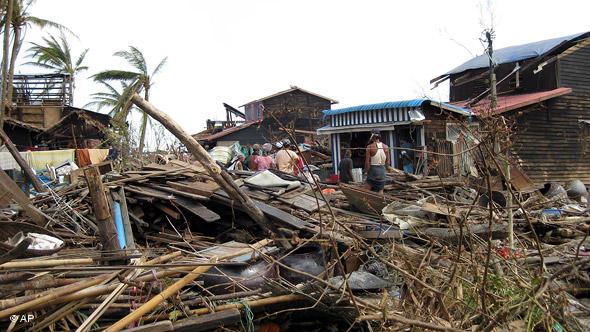
The Caribbean, renowned for its breathtaking landscapes and rich biodiversity, is increasingly grappling with the impacts of environmental disasters that threaten both its natural beauty and the livelihoods of its communities. Over the past year, the region has faced a series of challenges—ranging from hurricanes and flooding to coral bleaching and rising sea levels—each exacerbating the ongoing threats posed by climate change. In this article, we will provide an overview of the latest developments in environmental disasters across the Caribbean, highlighting the immediate aftermath of recent events and the recovery efforts underway. We will explore the collaborative efforts of local governments, international organizations, and community groups as they work to build resilience and adapt to a rapidly changing environment. As the Caribbean faces an uncertain future, understanding the urgent need for sustainable recovery strategies has never been more crucial.
Table of Contents
- Challenges Faced by Caribbean Ecosystems Amid Rising Natural Disasters
- Innovative Recovery Strategies Implemented by Affected Communities
- International Collaboration and Funding Efforts for Environmental Resilience
- Future Directions for Sustainable Practices in the Caribbean Region
- Final Thoughts
Challenges Faced by Caribbean Ecosystems Amid Rising Natural Disasters
The Caribbean region is increasingly facing a myriad of challenges as natural disasters become more frequent and severe. These events, including hurricanes, floods, and droughts, are exacerbating existing vulnerabilities within the ecosystems that are crucial for maintaining biodiversity and human livelihoods. Some of the most pressing issues include:
- Habitat Loss: Natural disasters cause significant destruction to mangroves, coral reefs, and forests, disrupting the habitats of countless species.
- Soil Erosion: Intense rainfall and flooding result in the loss of fertile soil, severely impacting agriculture and natural vegetation.
- Invasive Species Proliferation: Disturbed ecosystems provide opportunities for invasive species to take hold, outcompeting native flora and fauna.
- Water Quality Degradation: Post-disaster pollution and increased runoff lead to the contamination of freshwater resources, affecting both ecosystems and human health.
Furthermore, the socio-economic implications tied to these ecological changes cannot be overlooked. Disrupted ecosystems directly impact local economies that rely on tourism, fishing, and agriculture, leading to increased poverty and unemployment rates. Additionally, the following data highlights some of the most affected sectors within the Caribbean ecosystem:
| Sector | Impact Severity | Recovery Timeline |
|---|---|---|
| Marine Biodiversity | High | 5-10 years |
| Agriculture | Medium | 3-5 years |
| Tourism | High | 3-7 years |
Innovative Recovery Strategies Implemented by Affected Communities
In the wake of recent environmental disasters, Caribbean communities have showcased remarkable resilience and creativity in their recovery efforts. Many have embraced sustainable practices that not only address immediate needs but also contribute to long-term environmental health. Key initiatives include:
- Community-led reforestation projects: Affected areas have mobilized local volunteers to restore native flora, enhancing biodiversity and stabilizing soils.
- Innovative water management systems: Communities are utilizing rainwater harvesting and greywater recycling to ensure water security while reducing dependence on external sources.
- Education and awareness programs: Local organizations are conducting workshops on disaster preparedness, fostering a culture of resilience among residents.
Moreover, collaborative efforts have led to partnerships with NGOs and government entities, facilitating access to resources and expertise. For instance, the introduction of green infrastructure solutions has gained traction, promoting practices like:
| Green Initiative | Description |
|---|---|
| Living Shorelines | Natural infrastructure to protect coastal areas and restore habitats. |
| Urban Green Spaces | Restoration of parks and gardens to improve community well-being and ecosystem services. |
| Renewable Energy Projects | Shift towards solar and wind energy to promote sustainability and reduce carbon footprints. |
These innovative strategies not only aim to heal the immediate impacts of recent disasters but also lay the groundwork for a more sustainable future, fostering an environment of empowerment and adaptability among affected populations.
International Collaboration and Funding Efforts for Environmental Resilience
The Caribbean region has garnered significant global attention as nations unite in the face of escalating environmental disasters. International bodies, governments, and NGOs are stepping in to provide much-needed support for recovery and resilience efforts. Recent initiatives highlight collaboration in funding efforts aimed at building a more sustainable future. Among the notable partners are:
- United Nations Development Programme (UNDP) – Backing projects that enhance community preparedness.
- World Bank – Financing infrastructure improvements to withstand climate events.
- European Union – Allocating resources to restore ecosystems affected by tropical storms.
To boost efficiency in resource allocation and project execution, several collaborative funding frameworks have been established. These frameworks prioritize long-term sustainability and adaptive strategies to protect vulnerable populations. The following table summarizes some key initiatives and their funding roles:
| Initiative | Funding Source | Focus Area |
|---|---|---|
| Caribbean Climate Smart Financing Facility | UNDP, Local Governments | Resilient Infrastructure |
| Regional Disaster Resilience Initiative | World Bank | Disaster Preparedness Programs |
| EU-Latin America Cooperation Fund | European Union | Ecosystem Restoration |
Future Directions for Sustainable Practices in the Caribbean Region
The Caribbean region stands at a critical juncture as it works to implement sustainable practices in response to environmental disasters. As climate change impacts escalate, there is an urgent need for collaborative efforts among governments, NGOs, and local communities. Future policies should focus on integrating renewable energy sources, enhancing coastal protection measures, and fostering sustainable agriculture that respects local ecosystems. Prioritizing education and awareness will also empower communities to adopt more responsible practices in their daily lives. By promoting a circular economy, the Caribbean can reduce waste, encourage recycling, and support local economies.
Investments in green infrastructure are essential to ensuring long-term resilience against environmental threats. Key initiatives may include the development of sustainable tourism practices that minimize ecological footprints and promote conservation of biodiversity. Furthermore, improved agricultural techniques such as agroforestry and permaculture can restore soil health and increase food security. The region could benefit from international partnerships that facilitate technology transfer and capacity building, enabling local entities to better manage resources and respond to crises. The following table outlines potential areas of focus for advancing sustainable practices:
| Focus Area | Examples of Initiatives | Expected Outcomes |
|---|---|---|
| Renewable Energy | Solar, Wind, and Tidal projects | Reduced carbon emissions |
| Coastal Protection | Mangrove restoration, Artificial reefs | Increased resilience to storms |
| Sustainable Agriculture | Organic farming, Crop rotation | Enhanced food security |
| Community Engagement | Workshops, Local sustainability programs | Increased public awareness |
Final Thoughts
the Caribbean region faces an ongoing battle against environmental disasters exacerbated by climate change, with the latest updates underscoring the urgency for robust recovery initiatives. Governments, non-profit organizations, and local communities are mobilizing efforts to rebuild ecosystems, enhance resilience, and promote sustainable practices. As the region continues to confront challenges such as hurricanes, rising sea levels, and biodiversity loss, it is crucial to remain informed and engaged. Collaboration at local, national, and international levels will play a pivotal role in shaping a sustainable future for the Caribbean. By prioritizing environmental stewardship and investing in adaptive strategies, there is hope for not only recovery but also a more resilient Caribbean moving forward.