


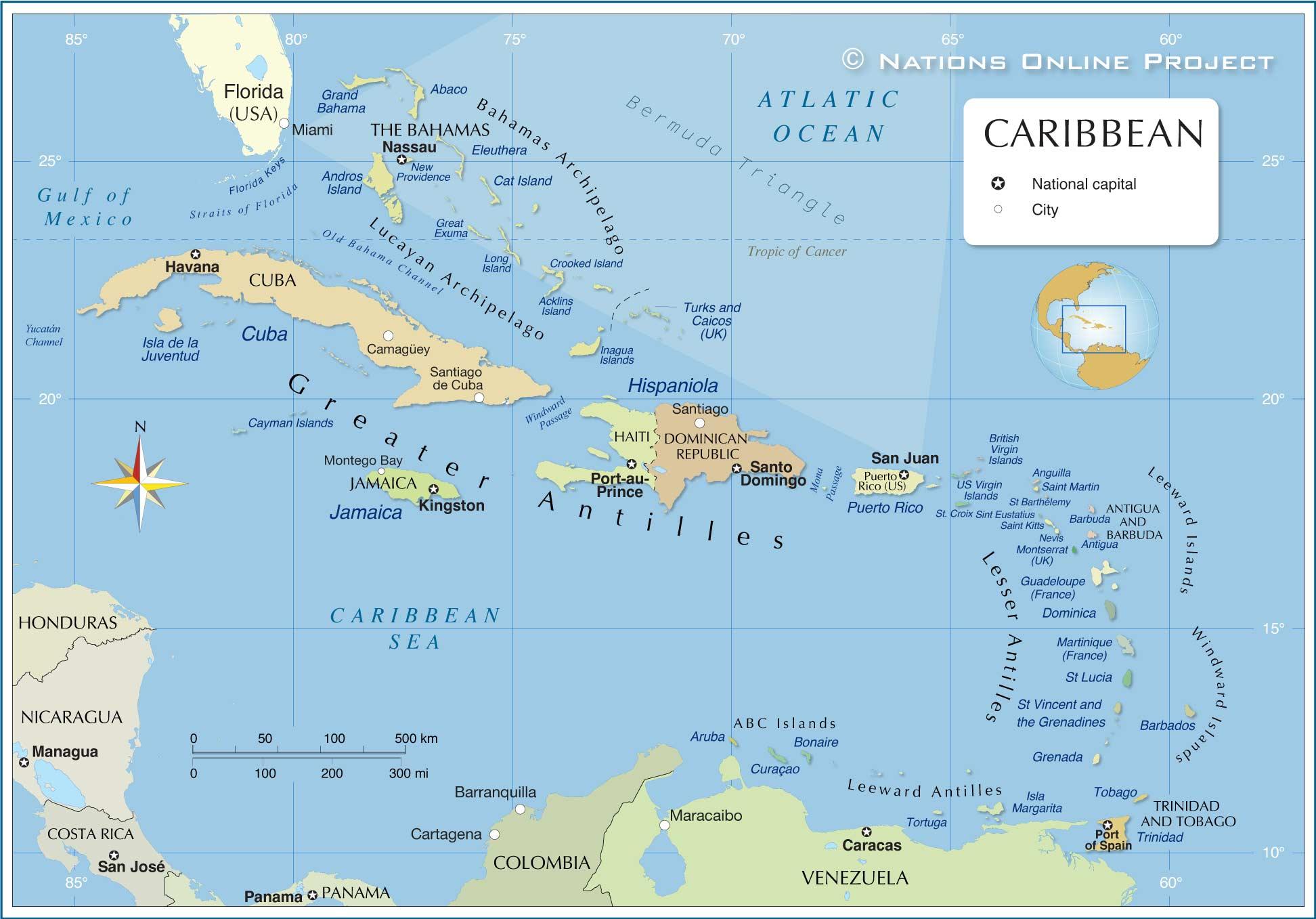
In an era marked by global movements advocating for social justice and equality, Caribbean nations are increasingly stepping into the spotlight, implementing groundbreaking initiatives aimed at addressing systemic disparities within their societies. Driven by a desire for inclusivity and empowerment, governments across the region are prioritizing policies that confront issues such as racial inequality, gender discrimination, and economic disparity. This collective effort reflects a profound recognition of the unique challenges faced by Caribbean communities and the urgent need for transformative change. As these nations chart a course towards a more equitable future, their strategies and successes serve not only as a guide for the region but also as a model for other countries seeking to enhance social justice. In this article, we explore the various initiatives being adopted by Caribbean nations, the challenges they face, and the potential impact of these efforts on fostering a more just and equal society for all.
Table of Contents
- Caribbean Nations Address Structural Inequalities through Comprehensive Policy Reforms
- Engaging Communities in Inclusivity Efforts: Grassroots Movements Driving Change
- Strengthening Legal Frameworks to Protect Marginalized Groups Across the Region
- Fostering Economic Opportunities: Strategies for Reducing Poverty and Enhancing Equity
- In Conclusion
Caribbean Nations Address Structural Inequalities through Comprehensive Policy Reforms
In recent years, Caribbean nations have begun implementing a series of robust policy reforms aimed at addressing long-standing structural inequalities within their societies. These reforms focus on ensuring that marginalized and disadvantaged communities receive equitable access to essential services such as education, healthcare, and housing. Key initiatives include:
- Education Reforms: Expanding access to quality education and vocational training programs.
- Healthcare Accessibility: Implementing universal healthcare initiatives to serve vulnerable populations.
- Economic Empowerment: Promoting entrepreneurship and small business development in underprivileged areas.
Additionally, governments are prioritizing the establishment of transparent governance frameworks that engage citizens in the decision-making process. Collaborations between public agencies, non-governmental organizations, and private sector stakeholders are fostering inclusive growth. The proposed reforms are set to create a ripple effect, reducing poverty levels and enhancing social mobility. Below is a table summarizing the recent policy reforms along with their anticipated impacts:
| Policy Reform | Anticipated Impact |
|---|---|
| Universal Education Access | Increased literacy rates and job readiness |
| Healthcare for All | Improved public health outcomes and life expectancy |
| Support for Small Businesses | Boosted local economies and job creation |
Engaging Communities in Inclusivity Efforts: Grassroots Movements Driving Change
In recent years, grassroots movements across Caribbean nations have emerged as vital forces in the fight for social justice and equality. These community-driven initiatives have united diverse groups, harnessing the power of local voices to challenge systemic issues related to race, gender, and economic inequality. Organizers are utilizing innovative strategies to engage and empower residents, creating platforms for dialog and collaboration. Through workshops, community forums, and social media campaigns, grassroots movements are mobilizing citizens to advocate for reform and investment in their communities.
Key players in these movements include local NGOs, activist collectives, and youth organizations. They focus on educating the public about their rights and fostering awareness of social issues, thereby igniting a sense of urgency regarding inclusivity. Some prominent efforts include:
- Community education programs aimed at increasing awareness of social justice
- Advocacy campaigns pushing for policy change at local and national levels
- Networking events that connect marginalized groups with allies and resources
As these grassroots initiatives gain momentum, collaboration with established organizations enhances their outreach and effectiveness. By partnering with governmental bodies and international networks, grassroots leaders can magnify their impact and encourage broader participation. The combined efforts of these movements are reshaping policy dialogues and driving sustainable change across the region. A recent table showcases notable grassroots organizations making strides in social justice:
| Organization | Focus Area | Notable Achievement |
|---|---|---|
| Caribbean Women’s Network | Gender Equality | Women’s Rights Workshops |
| Youth for Change | Youth Empowerment | Climate Action Campaign |
| Equality for All Coalition | Social Justice | Policy Advocacy Success |
Strengthening Legal Frameworks to Protect Marginalized Groups Across the Region
In a concerted effort to address social injustices and promote equality, Caribbean nations are making significant strides in enhancing their legal frameworks. Governments are recognizing the urgent need to implement laws and policies that safeguard the rights of marginalized groups, including women, LGBTQ+ individuals, and ethnic minorities. Many regions are witnessing the introduction of:
- Anti-discrimination laws: These laws aim to eliminate barriers that prevent marginalized groups from accessing services and opportunities.
- Legal aid provisions: Ensuring that marginalized individuals have the resources to seek justice.
- Equal representation initiatives: Promoting inclusivity in political and social spheres.
Furthermore, collaborative efforts are being seen among governments, NGOs, and civil society to create a comprehensive legal framework that not only recognizes rights but also mandates protections against violence and discrimination. Countries are establishing enforcement mechanisms to ensure that these legal protections translate into tangible benefits. An overview of ongoing initiatives includes:
| Country | Key Initiatives | Target Group |
|---|---|---|
| Jamaica | Creation of a new Anti-Discrimination Act | LGBTQ+ Community |
| Barbados | Gender Equality Policy Framework | Women and Girls |
| Trinidad and Tobago | Enhanced Legal Aid Services | Ethnic Minorities |
Fostering Economic Opportunities: Strategies for Reducing Poverty and Enhancing Equity
The Caribbean region is increasingly recognizing that economic opportunities are pivotal to alleviating poverty and promoting social equity. To achieve this, nations are implementing innovative strategies that align economic growth with community well-being. Access to education and skills development programs are at the forefront, equipping individuals, especially marginalized groups, with the tools needed for greater employability. Additionally, tailored microfinance solutions are facilitating entrepreneurship, enabling local businesses to flourish and providing employment opportunities for many. By fostering a culture of inclusivity and empowerment, Caribbean nations are not just reducing poverty but actively nurturing a robust economy poised for sustainable growth.
Another critical area of focus is the enhancement of infrastructure and technology to bridge economic divides. Investment in digital literacy initiatives ensures that communities can participate in the increasingly digital job market. Governments are also prioritizing agriculture and sustainable tourism, leveraging the region’s natural resources while ensuring environmental protection. The table below outlines some key strategies being adopted across different Caribbean nations, showcasing their commitment to economic equity:
| Country | Strategy | Focus Area |
|---|---|---|
| Jamaica | Digital Skills Training | Technology Access |
| Barbados | Microfinance Programs | Entrepreneurship |
| Guyana | Sustainable Agriculture Initiatives | Environmental Sustainability |
| Trinidad & Tobago | Tourism Development Grants | Local Business Support |
In Conclusion
the commitment of Caribbean nations to address social justice and equality reflects a pivotal moment in the region’s trajectory towards a more inclusive society. As governments, civil society, and communities come together to implement comprehensive initiatives, the commitment to dismantling systemic inequalities and fostering social cohesion becomes increasingly clear. Through targeted policies, educational reforms, and grassroots activism, these nations are not only addressing the immediate needs of their populations but also paving the way for sustainable development and long-term progress. As the world watches, the Caribbean stands as a testament to the power of collective action and the relentless pursuit of equity. Continued efforts and collaboration will be essential as these nations strive to turn their vision of a just and equitable society into reality.