


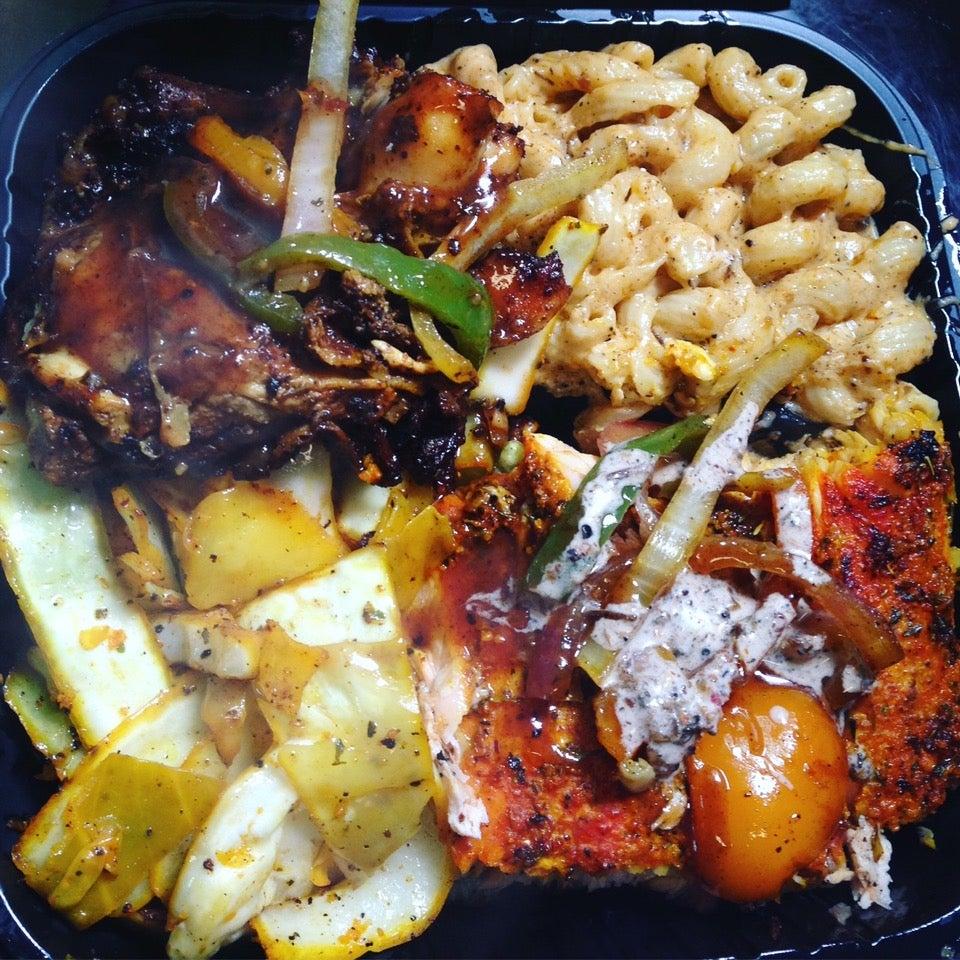
The Caribbean is a vibrant tapestry of cultures, each thread woven together by shared histories, traditions, and, of course, food. With its stunning landscapes and warm, inviting communities, the region offers an array of flavors that reflect its diverse heritage. From bustling street stalls to family-run kitchens, Caribbean street food serves as a window into the heart of local life. In this article, we’ll embark on a culinary journey, exploring the tantalizing dishes that define the Caribbean’s street food scene, as well as the dining customs that bring people together. Whether you’re a seasoned traveler or a curious food enthusiast, get ready to feast your eyes—and your taste buds—on the rich and delicious world of Caribbean cuisine.
Table of Contents
- Discovering Iconic Caribbean Dishes: A Culinary Journey Through the Islands
- The Influence of Culture and Tradition on Caribbean Street Food
- Must-Try Street Food Vendors and Local Eateries Across the Caribbean
- Dining Etiquette and Customs: Understanding the Local Experience
- Closing Remarks
Discovering Iconic Caribbean Dishes: A Culinary Journey Through the Islands
One of the best ways to immerse yourself in Caribbean culture is through its street food, where flavors and traditions collide in the most delightful ways. Picture yourself wandering the vibrant markets, where the air is thick with the aroma of sizzling meats and sweet tropical fruits. Local vendors serve up an array of dishes that reflect the islands’ rich history and diverse influences. Some must-try favorites include:
- Jerk Chicken: Spicy, smoky, and tender, this dish hails from Jamaica and is marinated with a blend of allspice and Scotch bonnet peppers.
- Fish Tacos: A fresh twist found across the isles, these tacos are often topped with tropical mango salsa.
- Arepas: Primarily enjoyed in Venezuela, these corn cakes are filled with everything from cheese to savory meats.
Dining customs in the Caribbean are as colorful as the dishes themselves, with communal eating often encouraged. Sharing meals is a cherished tradition, allowing friends and family to gather around a table brimming with delectable options. Each island boasts its unique dining etiquette, but some similarities can be found. Here’s a brief overview:
| Island | Dining Custom |
|---|---|
| Jamaica | Meals are often served on a large platter for all to share. |
| Barbados | It’s customary to greet the host with a warm acknowledgment before starting the meal. |
| St. Lucia | Locals cherish family-style meals, passing dishes around the table. |
The Influence of Culture and Tradition on Caribbean Street Food
The vibrant tapestry of Caribbean street food is a delicious reflection of the region’s rich cultural diversity and deep-rooted traditions. From the spices brought over by enslaved Africans to the culinary techniques of the indigenous Taino people, each dish tells a story of migration, adaptation, and creativity. As you stroll through bustling markets and roadside vendors, you are likely to encounter an array of flavors that showcase the area’s culinary influences, such as:
- Jerk Chicken – Originating from Jamaica, this dish exemplifies the melding of local ingredients with Afro-Caribbean cooking methods.
- Patties – A flavorful pastry with roots in African and British cuisine, often filled with spicy beef, chicken, or vegetables.
- Fish Fry – Popular across the islands, highlighting the significance of fresh seafood in Caribbean diets.
Traditions play a pivotal role in shaping the way food is prepared, served, and enjoyed in the Caribbean. Many street vendors pride themselves on using time-honored recipes passed down through generations, tailoring their offerings to the seasonal availability of ingredients. Community gatherings often center around food, reinforcing social bonds and encouraging the sharing of culinary experiences. Important local customs reflect this, as seen in:
| Culinary Custom | Description |
|---|---|
| Fish Festivals | Celebrations that bring together communities to enjoy freshly caught fish dishes, music, and dance. |
| Sunday Family Dinner | A cherished tradition where families gather to share a hearty meal, often featuring local specialties. |
| Street Parties | Occasions filled with music and dance, highlighting local street food as a central part of the celebration. |
Must-Try Street Food Vendors and Local Eateries Across the Caribbean
When wandering through the vibrant markets and quaint streets of the Caribbean, you’ll encounter a plethora of street food vendors that tantalize the taste buds. Each island possesses its own culinary gems, often reflecting the rich cultural tapestry of the region. Don’t miss out on sampling local favorites from the following vendors:
- Jerk Chicken Shack (Jamaica) – Experience the smoky flavors of jerk chicken, marinated to perfection and grilled over wood chips, served with a side of rice and peas.
- Fritters and Fish (Barbados) – A must-try, these savory fish cakes are deep-fried to crispy perfection and typically accompanied by a tangy dipping sauce.
- Bun and Cheese Stand (Trinidad and Tobago) – This simple but delicious combo of spiced cheese sandwiched between sweet, soft bread makes for a fulfilling snack.
- Sancocho Vendor (Dominican Republic) – Savor a hearty bowl of traditional stew packed with a variety of meats and root vegetables, perfect for sharing.
Local eateries also play a vital role in Caribbean dining customs, offering authentic experiences that connect you to the culture. These establishments, often family-run, are known for their warm hospitality and home-cooked meals. Here’s a shortlist of some beloved spots to visit:
| Eatery | Specialty |
|---|---|
| Mama’s Kitchen (Saint Lucia) | Green Fig and Salt Fish |
| Rasta Pasta (Jamaica) | Jamaican Spaghetti |
| The Fish Fry (Nassau, Bahamas) | Conch Fritters |
| Elaine’s Food Hut (Grenada) | Oil Down |
Dining Etiquette and Customs: Understanding the Local Experience
When traversing the vibrant streets of the Caribbean, it’s not just the food that tantalizes your senses; it’s also the unique customs that accompany the dining experience. Street food vendors often embody a sense of community, where indulging in mouthwatering local delicacies is a shared event. Visitors should be aware that meals are frequently enjoyed outdoors, fostering a casual atmosphere. Engaging with vendors through smiles and greetings enhances the experience, as locals appreciate acknowledgment and warmth. It’s common to see patrons savoring their meals straight from the vendor’s cart or seating areas, making every bite a part of a lively scene filled with music and laughter.
To make the most out of your culinary adventures, here are a few dining customs to keep in mind:
- Embrace Sharing: Street food is often shared among friends and family, so don’t hesitate to try a bit of everything.
- Respect Local Flavors: Caribbean cuisine is rich and diverse; approach new dishes with an open mind.
- Practice Politeness: Use simple phrases like “please” and “thank you” to show appreciation for the vendors’ hard work.
- Prepare for a Wait: Freshly made food may take time, so relax and enjoy the atmosphere.
The importance of communal dining is beautifully illustrated in the diverse offerings available at local markets. To give you an idea of some beloved street food and their cultural significance, consider the following:
| Dish | Origin | Highlight |
|---|---|---|
| Roti | Trinidad and Tobago | A staple flatbread often filled with spiced meats and legumes. |
| Jerk Chicken | Jamaica | Grilled chicken marinated in a fiery blend of spices, a true taste of island heat. |
| Flying Fish | Barbados | A national treasure, typically served fried or grilled, showcasing freshness. |
Closing Remarks
As we wrap up our culinary journey through the vibrant streets of the Caribbean, it’s clear that street food and local dining customs offer a deeper connection to the culture, history, and spirit of each island. From the sizzling sound of jerk chicken on a grill to the enticing aroma of freshly fried plantains, every bite tells a story—one that reflects the rich tapestry of flavors, influences, and traditions that make the Caribbean a unique dining destination.
Whether you’re indulging in a casual meal from a roadside vendor or joining friends and family for a lively beachside feast, embracing these local experiences will undoubtedly enrich your travels. Remember, the heart of Caribbean cuisine lies not just in the food itself but in the way it’s enjoyed—gathered around a table, sharing laughter, and celebrating life.
So, the next time you find yourself in the Caribbean, take a moment to step off the beaten path and explore the street food scene. You’ll not only satisfy your taste buds but also gain a greater appreciation for the people and their stories that bring these culinary delights to life. Happy eating!