


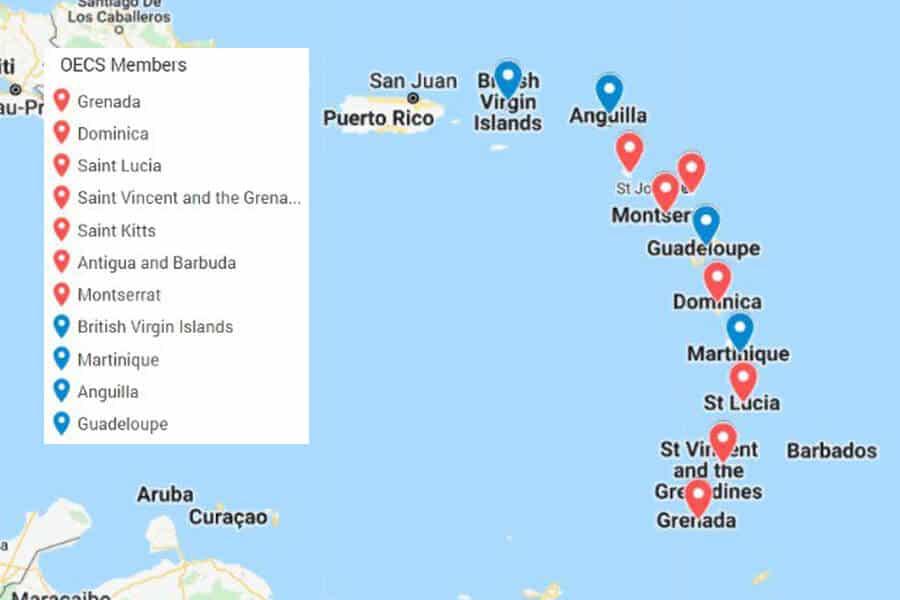
As the allure of the Caribbean grows, so does the influx of expatriates seeking new opportunities and lifestyles in this tropical paradise. The region’s pristine beaches, vibrant culture, and welcoming communities make it an attractive destination for those looking to escape the hustle and bustle of daily life. However, settling into a new country involves navigating various financial systems, and for many expats, understanding the banking landscape is a critical step. This guide aims to explore the diverse banking options available in the Caribbean, highlighting key considerations for expatriates—from establishing personal accounts to understanding local regulations and services. With the right information, newcomers can ensure that their financial transactions are secure, efficient, and tailored to their unique needs in a foreign environment.
Table of Contents
- Understanding the Caribbean Banking Landscape for Expats
- Key Considerations When Choosing a Bank Account in the Caribbean
- Navigating Regulatory Requirements and Documentation for Expats
- Top Banking Institutions in the Caribbean: A Comparative Overview
- Final Thoughts
Understanding the Caribbean Banking Landscape for Expats
Navigating the banking scene in the Caribbean as an expatriate can be a complex endeavor, but understanding the fundamentals can ease the transition. Various types of banking institutions exist across the islands, including international banks, local credit unions, and online banking platforms. Each option caters to different needs and preferences, making it essential for expats to assess their requirements based on factors such as accessibility, services offered, and fees. Key aspects to consider include:
- Account Types: Checking, savings, and investment accounts.
- Currency Options: Local currency accounts vs. foreign currency accounts.
- Accessibility: Physical branches, online banking, and ATM availability.
- Customer Support: Availability of English-speaking staff and expat-friendly services.
Another critical factor in the Caribbean banking landscape is compliance and regulations, which can vary significantly from island to island. Expats should take the time to familiarize themselves with the necessary documentation and legal requirements for setting up an account. For example, many banks will require proof of identity, residency, and possibly a tax identification number. Below is a simplified overview of some common banking requirements:
| Banking Requirement | Typical Documentation |
|---|---|
| Proof of Identity | Passport or National ID |
| Proof of Residency | Utility bill or rental agreement |
| Tax Identification | Social Security number or equivalent |
Key Considerations When Choosing a Bank Account in the Caribbean
When selecting a bank account in the Caribbean, it’s crucial to assess several factors that impact convenience and accessibility. First and foremost, consider the types of accounts offered, which may include personal checking, savings accounts, and specialized accounts for expats. Look for banks that provide online banking and mobile app features for easy access to your finances. Additionally, pay attention to the currency options available, as maintaining an account in your home currency can help minimize exchange rate risks. be sure to investigate the bank’s fees, including monthly maintenance, ATM usage, and international transaction fees, as these can significantly impact your overall banking experience.
Another vital element in your decision is the bank’s reputation and stability. Research the bank’s history, customer reviews, and regulatory standing within the Caribbean financial system. A bank with a solid reputation is likely to offer better customer service and support for expats. It is also worthwhile to consider the branch and ATM network available across the region, as accessibility can vary widely. Ensure that the bank you choose has a robust presence in areas you plan to visit or reside in to avoid inconveniences. An effective comparison of options can be summarized in the table below:
| Bank Feature | Considerations |
|---|---|
| Account Types | Checking, Savings, Expat-specific |
| Currency Options | Local and Foreign Currency Accounts |
| Fees | Monthly, ATM, International Transactions |
| Reputation | Customer Reviews, Regulatory Standing |
| Accessibility | Branch and ATM Locations |
Navigating Regulatory Requirements and Documentation for Expats
For expats considering banking in the Caribbean, understanding the regulatory landscape is crucial to ensure compliance and smooth operation of their financial affairs. Different countries in the Caribbean have varying regulations pertaining to foreign nationals, including requirements for opening accounts, repatriating funds, and taxation on investments. Key considerations include:
- Know Your Customer (KYC) Policies: Banks will require thorough identification verification, including proof of residency and source of funds.
- Tax Identification Numbers: Some jurisdictions might necessitate a tax identification number to comply with international tax regulations.
- Anti-Money Laundering (AML) Regulations: Familiarizing yourself with local AML laws can help prevent legal issues.
Documentation requirements can be varied and may include personal identification, proof of address, financial statements, and potential letters of reference from your financial institutions in your home country. It’s advisable to prepare these documents in advance to streamline the account opening process. Below is a simple checklist to keep in mind:
| Required Documentation | Notes |
|---|---|
| Valid Passport | Essential for identity verification. |
| Utility Bill | Must be recent to prove residency. |
| Bank Reference Letter | Helpful, but not always mandatory. |
Top Banking Institutions in the Caribbean: A Comparative Overview
When considering banking options in the Caribbean, expats have several prominent institutions to weigh. These banks often provide a range of services tailored to meet both local and international needs. Notable players in this sector include:
- Royal Bank of Canada (RBC): A leading bank with extensive reach in the Caribbean, RBC offers a robust suite of financial products and services, including mortgages, investment options, and personal banking.
- Scotiabank: Known for its customer-centric approach, Scotiabank provides comprehensive commercial and retail banking solutions across numerous Caribbean nations.
- First Caribbean International Bank: This institution specializes in wealth management and investment services, catering particularly to expatriates seeking financial stability.
- Bank of Nova Scotia: With a strong digital presence, it ensures seamless online banking experiences and multiple account management options for overseas clients.
In comparing these banks, factors such as ease of account setup, compliance with international regulations, and service availability are paramount. A detailed examination reveals distinct advantages each bank offers. The following table outlines key features:
| Bank | Account Setup Fee | International Wire Transfer Fee | Online Banking | ATM Access |
|---|---|---|---|---|
| RBC | $100 | $30 | Yes | Global Network |
| Scotiabank | $50 | $25 | Yes | Wide Coverage |
| First Caribbean | $75 | $20 | Yes | Regional ATM Access |
| Bank of Nova Scotia | $50 | $28 | Yes | Extensive Network |
Final Thoughts
as the Caribbean continues to attract expatriates seeking a unique blend of vibrant culture, stunning landscapes, and an alluring lifestyle, understanding the local banking landscape becomes imperative. This guide has illuminated various banking options available to expats, highlighting essential considerations such as regulatory frameworks, fee structures, and the importance of local banking relationships. Navigating this financial terrain may seem daunting, but being informed about the choices can empower expatriates to make sound decisions that align with their personal and financial goals. As the region evolves, staying abreast of changes and leveraging the right banking services will not only enhance the experience of living abroad but also contribute to the long-term financial security of expatriates in the Caribbean.