


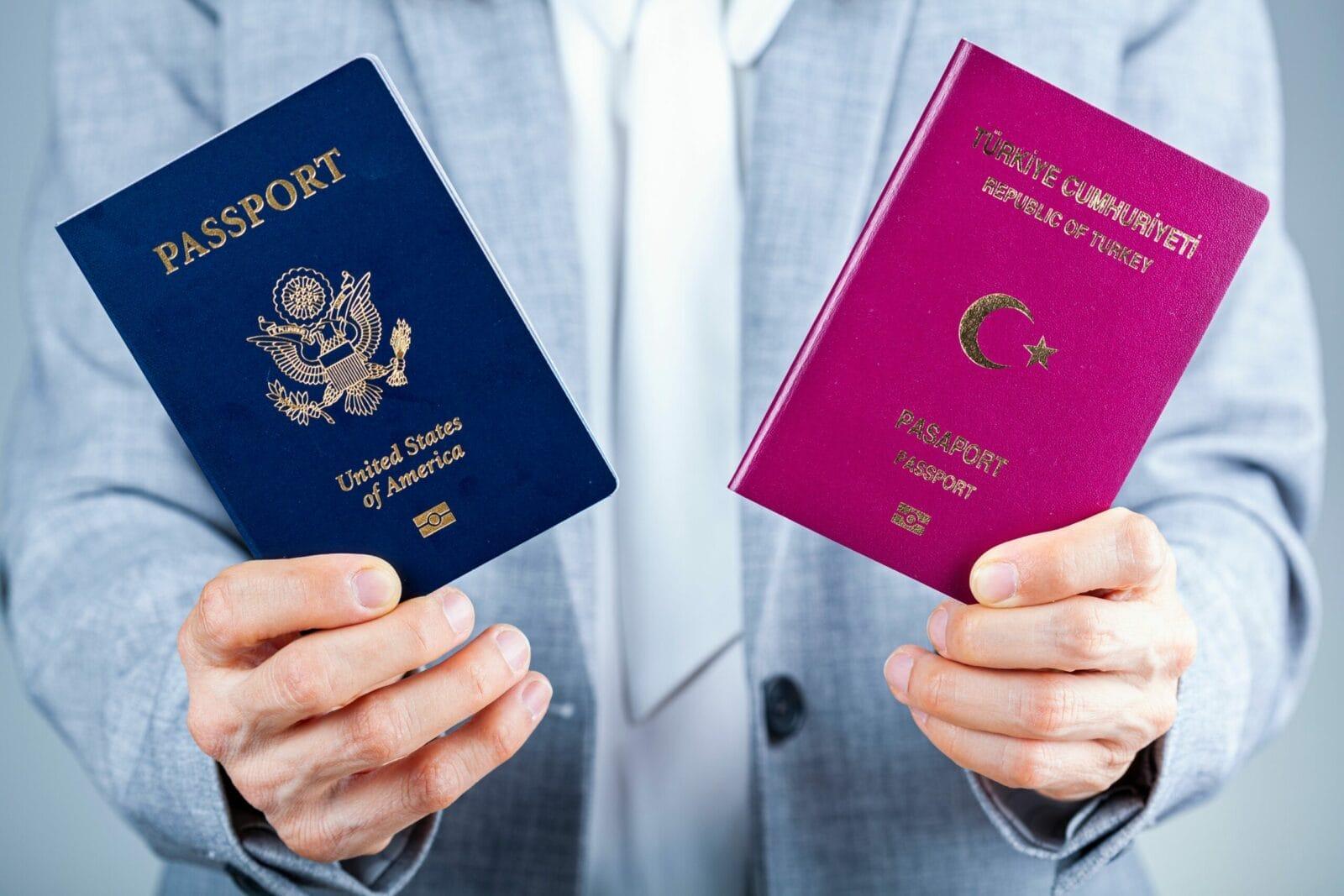
In an increasingly interconnected world, the concept of dual citizenship is gaining traction, particularly in the Caribbean—a region known for its rich cultural diversity and complex legal frameworks. As individuals seek opportunities for enhanced mobility, economic benefits, and connections to their ancestral roots, the implications of holding dual nationality have become a focal point for discussion. This article delves into the intricate landscape of dual citizenship in the Caribbean, offering key insights into the legal processes, advantages, and potential challenges that individuals may encounter. With a blend of personal anecdotes and expert analysis, we aim to equip readers with a comprehensive understanding of what it means to navigate dual citizenship in this vibrant and dynamic region.
Table of Contents
- Understanding the Legal Framework of Dual Citizenship in Caribbean Nations
- Key Benefits and Challenges of Embracing Dual Citizenship
- Practical Steps to Obtain and Maintain Dual Citizenship
- Navigating Tax Implications and Financial Responsibilities in Dual Citizenship
- In Summary
Understanding the Legal Framework of Dual Citizenship in Caribbean Nations
Many Caribbean nations have embraced dual citizenship as a means to stimulate economic growth and cultivate stronger ties with their diaspora. However, the legal frameworks governing dual nationality can vary significantly across the region. In some countries, such as St. Kitts and Nevis, dual citizenship is welcomed and explicitly provided for by law, facilitating an easy pathway for investors and expatriates to maintain ties with their homeland. Conversely, nations like the Dominican Republic impose strict regulations, where dual citizenship is only recognized under specific conditions, often leading to complex legal challenges for those attempting to navigate these waters.
Understanding the nuances of these laws is crucial for individuals considering dual citizenship. The legal provisions may include stipulations regarding tax obligations, military service, and other civic responsibilities that can impact dual citizens. It is essential for applicants to conduct thorough research and potentially seek legal counsel to clarify their rights and obligations. Below is a summary table outlining the dual citizenship policies of select Caribbean nations:
| Country | Dual Citizenship Status | Key Requirements |
|---|---|---|
| St. Kitts and Nevis | Permitted | Investment in real estate or donations to the Sustainable Growth Fund |
| Dominican Republic | Conditional | Retention of original citizenship and meeting legal obligations |
| Grenada | Permitted | Investment in government-approved projects |
| Jamaica | Permitted | Citizens of Jamaica can acquire another citizenship without losing Jamaican nationality |
Key Benefits and Challenges of Embracing Dual Citizenship
Embracing dual citizenship in the Caribbean offers a myriad of advantages that can enhance individual freedoms and opportunities. For many citizens, this status can unlock increased mobility across borders, allowing travelers more flexibility in their movements without the need for cumbersome visas. Other notable benefits include:
- Access to Social Services: Dual citizens can enjoy the benefits of public services in both countries, from healthcare to education.
- Investment Opportunities: Holding citizenship in multiple countries can provide unique avenues for real estate or business investments.
- Cultural Enrichment: Individuals gain the ability to immerse themselves in diverse cultures, languages, and traditions.
However, the journey to dual citizenship isn’t without its challenges. Individuals must navigate complex legal requirements that may differ significantly between nations, often involving extensive documentation and potentially lengthy processing times. Furthermore, dual citizens may encounter tax obligations in both countries, leading to a confusing financial landscape. Key challenges include:
- Legal Conflicts: Differences in laws can lead to complications, especially regarding family law and inheritance rights.
- The Risk of Citizenship Revocation: Some nations may require loyalty declarations, which could put dual citizens at risk of losing one citizenship.
- Complex Taxation: Managing tax compliance in two jurisdictions can prove daunting and financially burdensome.
Practical Steps to Obtain and Maintain Dual Citizenship
Gaining dual citizenship in the Caribbean can seem daunting, but by following a series of practical steps, you can simplify the process. Begin by researching the specific laws of your home country and the Caribbean nation you’re interested in, as some countries allow dual citizenship while others may have restrictions. Gathering the necessary documentation is crucial, including:
- Birth certificate
- Passport copies
- Proof of residency
- Marriage certificate (if applicable)
Once you’ve compiled your documentation, submit your application to the relevant authorities in your chosen Caribbean country. Be prepared to attend an interview and provide additional information if requested. After obtaining dual citizenship, maintaining it requires diligence; you must adhere to both countries’ laws. Regularly update your documentation and stay informed on any legal changes that may affect your dual status. It is also wise to consider the obligations, such as taxation and civic duties, associated with holding citizenship in two nations.
Navigating Tax Implications and Financial Responsibilities in Dual Citizenship
For individuals holding dual citizenship in the Caribbean, understanding the tax responsibilities associated with both nations is essential. Legal obligations can vary significantly depending on the specific countries involved. It is crucial to familiarize yourself with trade agreements, tax treaties, and any potential credits that may apply, ensuring that you are compliant while maximizing your financial benefits. Key aspects to consider include:
- Global Income Taxation: Some countries tax citizens on worldwide income, potentially leading to double taxation.
- Filing Requirements: Dual citizens may be required to file tax returns in both nations, even if income is not generated there.
- Tax Treaties: Benefits from treaties can help prevent dual taxation, potentially allowing for exemptions.
Additionally, maintaining clear records and staying informed about updates in tax legislation is vital. Below is a simple comparison of tax implications for residents of two Caribbean nations:
| Country | Tax on Worldwide Income | Filing Requirements |
|---|---|---|
| Country A | Yes | Annual Tax Return |
| Country B | No | No Filing Requirement |
Engaging with a tax professional experienced in dual citizenship matters can provide invaluable assistance in navigating this complex landscape. The importance of adhering to financial obligations cannot be overstated; failing to do so can lead to penalties, loss of citizenship, or other serious repercussions. Hence, proactive financial planning, alongside ongoing education on tax policies in both jurisdictions, will enhance your ability to manage your dual citizenship effectively.
In Summary
navigating the complexities of dual citizenship in the Caribbean requires a comprehensive understanding of both legal frameworks and cultural nuances. As countries in the region continue to shape their immigration policies and citizenship laws, individuals pursuing dual citizenship must stay informed about potential benefits, responsibilities, and implications for their personal and professional lives. By doing so, they can effectively leverage the advantages that come with dual status, from enhanced mobility to greater opportunities in business and education. As the landscape evolves, ongoing dialog among policymakers, legal experts, and citizens will be essential to ensuring that the benefits of dual citizenship are accessible and clearly defined, ultimately fostering a more interconnected and prosperous Caribbean community.