


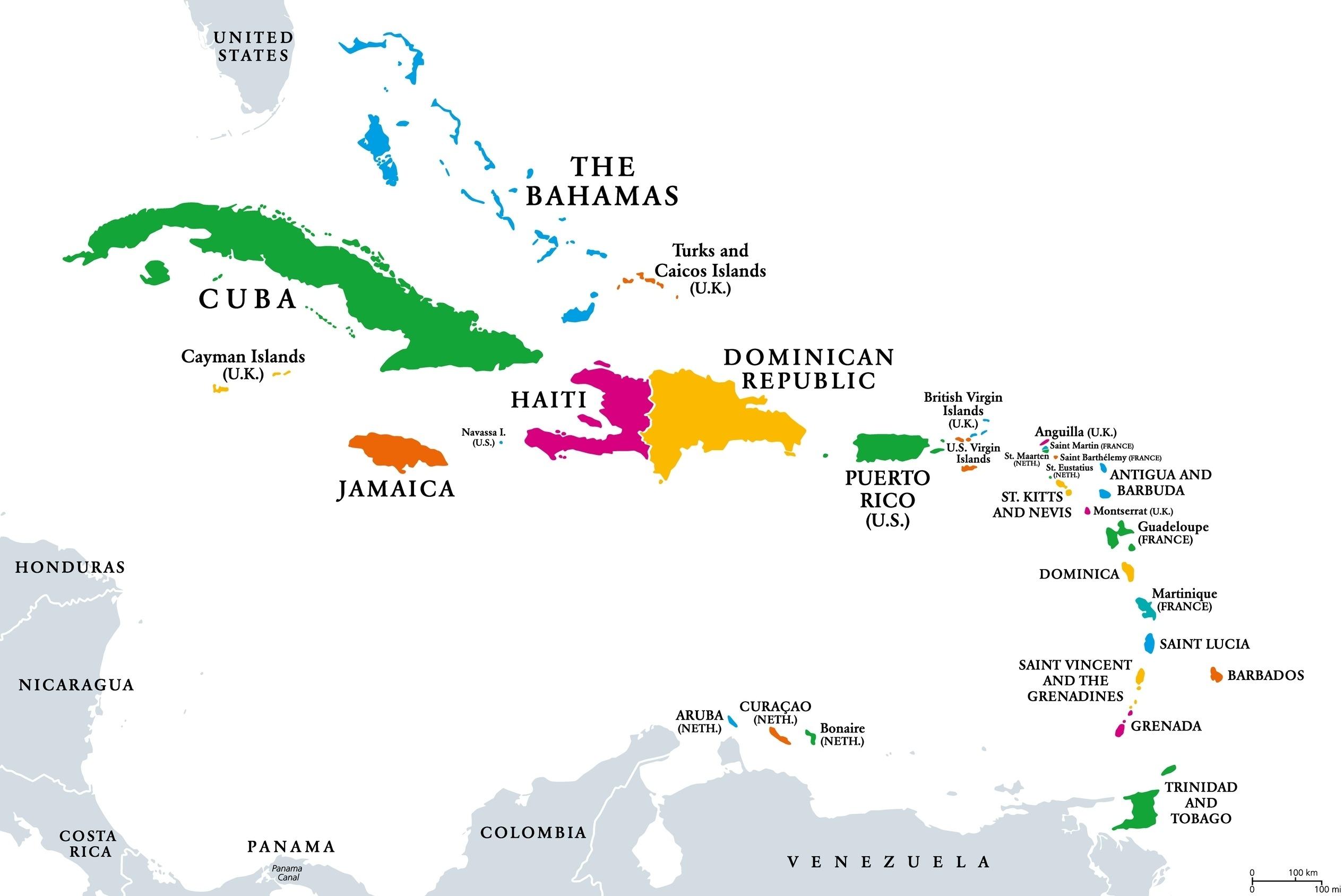
As the impacts of climate change become increasingly evident across the globe, the Caribbean region is emerging as a vital voice in the international climate dialog. With its unique vulnerabilities and rich biodiversity, the Caribbean serves as both a frontline in the battle against climate change and a hub for innovative advocacy efforts. This article explores how Caribbean leaders, activists, and communities are amplifying their messages on the global stage, advocating for urgent action to address environmental challenges that threaten both their livelihoods and ecosystems. Through a combination of grassroots initiatives, regional collaboration, and impactful participation in global forums, Caribbean voices are not only highlighting their own struggles but are also contributing to a broader understanding of climate justice and sustainable development on the world stage.
Table of Contents
- Caribbean Nations Unite in Climate Advocacy Initiatives
- The Role of Local Communities in Shaping Global Climate Policy
- Innovative Strategies for Amplifying Caribbean Voices on Climate Issues
- Recommendations for Strengthening International Collaboration and Support
- In Retrospect
Caribbean Nations Unite in Climate Advocacy Initiatives
In a powerful display of solidarity, Caribbean nations are coming together to elevate their collective voice in the fight against climate change. Through various initiatives, these countries are leveraging their unique geographic and cultural strengths to advocate for sustainable practices, environmental preservation, and climate resilience. With a commitment to addressing issues such as rising sea levels, biodiversity loss, and natural disaster management, regional leaders are engaging in key discussions and collaborations that aim to shape global climate policy. The partnership among these nations highlights the importance of local action for global impact.
To bolster their advocacy efforts, Caribbean nations are implementing a range of strategies and programs, including:
- Joint Research Initiatives: Collaborative studies focusing on climate impact assessments.
- Awareness Campaigns: Targeted messaging to educate citizens about climate issues.
- Policy Development Workshops: Engaging stakeholders in crafting effective climate-related legislation.
- Renewable Energy Projects: Investments in sustainable energy sources to reduce carbon footprints.
As part of this unified effort, a recent summit showcased significant commitments aimed at fostering resilience within vulnerable communities. The table below summarizes key pledges made by participating nations:
| Country | Pledge | Deadline |
|---|---|---|
| Jamaica | Reduce greenhouse gas emissions by 30% | 2025 |
| Dominica | 100% renewable energy transition | 2030 |
| Barbados | Climate resilience fund establishment | 2024 |
| Saint Lucia | Increase protected marine areas | 2027 |
The collective actions and commitments of these Caribbean nations symbolize their determination to confront climate challenges head-on, asserting their rightful place in the global climate discourse.
The Role of Local Communities in Shaping Global Climate Policy
Local communities play an indispensable role in influencing global climate policy, especially through grassroots movements that amplify regional voices on international platforms. Caribbean communities, with their rich cultures and deep connections to the environment, have emerged as vital advocates in the fight against climate change. Their unique experiences—ranging from the impact of rising sea levels to the erosion of biodiversity—inform and shape global narratives, showcasing the necessity of inclusive policy-making that accounts for localized knowledge and solutions. These communities not only highlight immediate climate challenges but also emphasize the importance of sustainable practices and traditional ecological knowledge that have been passed down through generations.
The dynamic contributions of these communities can be showcased through various strategies that they implement to engage with policymakers and the global climate agenda:
- Local Activism: Organizing grassroots campaigns to demand climate action.
- Community Education: Hosting workshops and initiatives to educate residents about sustainable practices.
- Partnerships: Collaborating with NGOs and government bodies to leverage resources and information.
- Artistic Expression: Utilizing art and culture to convey profound messages about environmental stewardship.
This grassroots influence also fosters a collaborative spirit, creating networks that allow the sharing of innovative solutions and strategies. For instance, local fishing communities often spearhead conservation efforts that can be scaled globally. Below is a table highlighting some successful community-led initiatives in the Caribbean:
| Initiative | Location | Focus Area |
|---|---|---|
| Coral Restoration Project | Bonaire | Marine Conservation |
| Community Clean-Up Drive | Barbados | Waste Management |
| Eco-Tourism Development | Dominican Republic | Ecological Preservation |
Innovative Strategies for Amplifying Caribbean Voices on Climate Issues
Across the Caribbean, innovative strategies are being deployed to elevate local voices in the global climate dialog. Community-led initiatives are transforming grassroots movements into powerful platforms for advocacy. Caribbean nations are leveraging technology and social media to share their unique narratives, allowing them to connect with international stakeholders more effectively. Collaborative storytelling has emerged as a leading tactic, where individuals from diverse backgrounds come together to share their experiences and propose solutions to climate challenges. By harnessing digital tools, these voices are not only informing policy discussions but redefining them on their own terms.
The incorporation of educational programs focused on sustainability within schools has empowered young Caribbean leaders. These programs encourage activism and awareness among the youth, cultivating a new generation ready to address climate issues head-on. To further enhance messaging and outreach, collaborative partnerships with NGOs, international bodies, and private sectors have been formed, pooling resources to amplify these initiatives. The table below illustrates some effective strategies and their impact:
| Strategy | Impact |
|---|---|
| Social Media Campaigns | Engage a global audience, create awareness, and mobilize support. |
| Workshops and Training | Equip communities with skills to advocate for sustainable practices. |
| Community Forums | Encourage open dialog between local leaders and decision-makers. |
| Partnerships | Strengthen networks, facilitate resource sharing, and enhance effectiveness. |
Recommendations for Strengthening International Collaboration and Support
To enhance the efficacy of climate advocacy efforts, it is imperative to foster more robust international collaborations. This can be achieved through initiatives such as:
- Joint Research Projects: Establish partnerships among Caribbean nations and global research institutions to explore local climate vulnerabilities and potential solutions.
- Shared Best Practices: Create platforms for countries to exchange successful strategies in climate adaptation and mitigation, learning from one another’s experiences.
- Capacity Building Programs: Develop training sessions focused on climate advocacy, targeting both government officials and grassroots organizations to bolster local engagement.
Furthermore, support structures must be strengthened to ensure that Caribbean voices do not just join the global dialog but also influence it meaningfully. For instance, establishing a Global Caribbean Climate Coalition could streamline communication and facilitate unified positions at international forums. This coalition might include:
| Coalition Member | Role |
|---|---|
| Government Representatives | Policy Advocacy |
| Civil Society Organizations | Grassroots Mobilization |
| Academia | Research and Data Analysis |
| Private Sector | Funding and Innovation |
This approach not only amplifies the Caribbean’s collective voice but also ensures that climate needs and solutions are foregrounded on the global stage.
In Retrospect
As the world confronts the urgent challenges posed by climate change, the Caribbean region stands at the forefront of advocacy, showcasing a powerful collective voice that is resonating on the global stage. Fueled by a rich cultural heritage and a deep-rooted understanding of the vulnerabilities facing their islands, Caribbean leaders and communities are not merely participants in the climate dialog; they are influential agents of change. Through innovative initiatives, strategic partnerships, and unwavering commitment, they are drawing attention to the unique challenges and opportunities in the region, calling for equitable solutions that recognize the disproportionate impacts on small island developing states.
As we move forward, it is crucial that this momentum is sustained and expanded upon, ensuring that Caribbean perspectives continue to shape international climate policies. The engagement of grassroots movements, alongside government and non-governmental organizations, will be vital in amplifying these voices, driving home the message that the fight against climate change is not just a regional concern, but a global imperative. The lessons learned and the strategies developed in the Caribbean can serve as a blueprint for resilience and adaptation worldwide. In uniting their efforts, the Caribbean is reaffirming its role as a leader in the global climate conversation, inspiring action and solidarity in the face of an existential threat that knows no borders.