


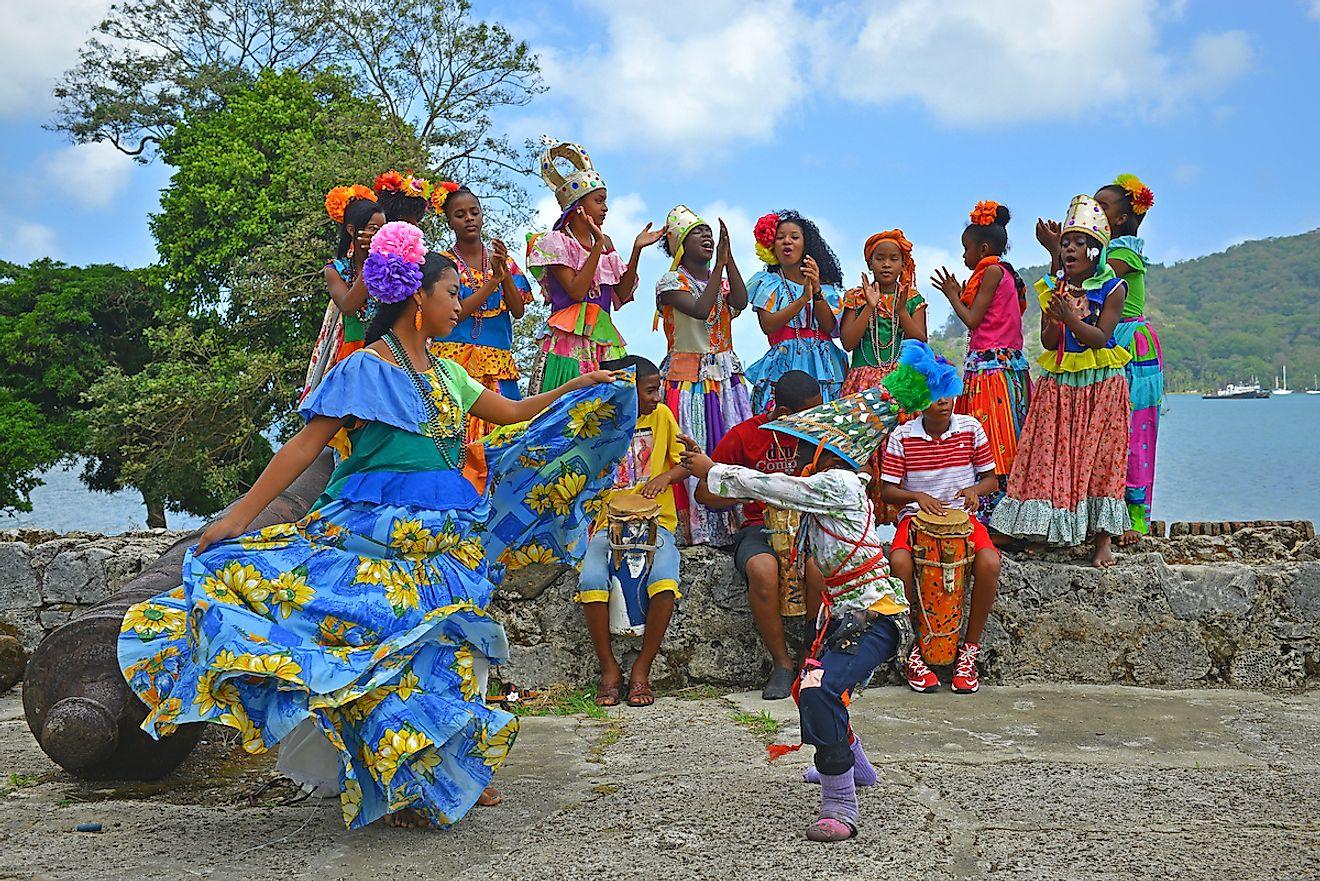
As the Caribbean continues to capture the imagination of the world with its vibrant heritage and dynamic expressions, festivals celebrating its rich culture emerge as pivotal events on the global calendar. From the pulsating rhythms of calypso and reggae to the exquisite flavors of culinary traditions passed down through generations, these festivities offer a unique glimpse into the diverse tapestry that defines the region. In this article, we explore the significance of Caribbean festivals dedicated to art, music, and food, highlighting their role in fostering community pride, cultural exchange, and tourism. As the world becomes increasingly interconnected, these celebrations stand as a testament to the resilience and creativity of Caribbean societies, ensuring that their traditions not only survive but thrive well into the future.
Table of Contents
- Embracing the Vibrancy of Caribbean Festivals: A Journey Through Art and Tradition
- Exploring the Melodies of the Caribbean: The Soundtrack of Cultural Celebrations
- A Culinary Adventure: Discovering Caribbean Flavors at Local Festivals
- Community and Heritage: The Role of Festivals in Preserving Caribbean Identity
- In Conclusion
Embracing the Vibrancy of Caribbean Festivals: A Journey Through Art and Tradition
Caribbean festivals are a vibrant tapestry woven from the threads of history, culture, and creative expression. These exuberant celebrations provide a unique opportunity to experience the rich traditions passed down through generations. From the pulsating rhythms of calypso and reggae to the dazzling displays of local art, one can feel the island spirit come alive. It is during these events that communities gather to showcase their heritage, embracing the rich cultural diversity that defines the Caribbean. Festivals often highlight:
- Unique Artisanship: Local crafts and artworks that reflect the island’s identity.
- Musical Heritage: Performances by renowned musicians and local talents, creating an atmosphere of celebration.
- Culinary Delights: Traditional dishes that offer a taste of the region’s flavors, blending indigenous and colonial influences.
The social fabric of Caribbean life is further enriched by these gatherings, as they foster community spirit and attract visitors eager to learn and participate. Events such as Carnivals, Reggae festivals, and Food Fairs not only provide entertainment but also serve as platforms for advocacy and environmental consciousness. Here’s a glimpse into some notable festivals that encapsulate the vibrant culture:
| Festival Name | Location | Highlight |
|---|---|---|
| Trinidad and Tobago Carnival | Trinidad | Masquerade and Soca music |
| Reggae Sumfest | Montego Bay, Jamaica | Showcases reggae artists |
| Crop Over Festival | Barbados | Celebration of the sugar cane harvest |
Exploring the Melodies of the Caribbean: The Soundtrack of Cultural Celebrations
From the vibrant rhythms of reggae to the captivating beats of calypso, the Caribbean soundscape is a dynamic blend that resonates with the essence of its culture. Music serves as a heartbeat during festivals, infusing every celebration with life and energy. Performers don colorful costumes and take to the streets, where they fill the air with melodies that reflect the history, struggles, and joys of their communities. The unique instruments, such as the steel pan and congas, add a distinctive flair, turning every gathering into an electrifying experience that brings both locals and visitors together in a shared celebration of heritage.
Among the myriad of festivals, Carnival stands out as a hallmark celebration across the Caribbean. Each island puts its own spin on this vibrational spectacle, characterized by parades, elaborate float designs, and live music that captivates audiences. Other notable festivals include:
- Jouvert: A pre-dawn street party marking the start of Carnival, filled with mud, paint, and dancing.
- Reggae Sumfest: A week-long festival in Jamaica that showcases the best in reggae music.
- Crop Over: Celebrated in Barbados, this festival marks the end of the sugar cane harvest with vibrant music and dance.
These cultural phenomena not only create a sense of unity but also serve as avenues for artistic expression. Throughout these celebrations, food plays an essential role too, providing a flavorful accompaniment to the melodies. Traditional dishes reflect the diverse influences that shape Caribbean identity, with staples like jerk chicken, roti, and callaloo creating a fusion of flavors that tantalize the taste buds. In essence, the festivals weave together music, art, and culinary delights, crafting an unforgettable tapestry that is the hallmark of Caribbean culture.
A Culinary Adventure: Discovering Caribbean Flavors at Local Festivals
Local festivals throughout the Caribbean are not just a celebration of music and art; they are an invitation to explore an array of vibrant flavors that encapsulate the spirit of the islands. Each festival showcases a unique blend of culinary traditions influenced by indigenous peoples, African heritage, and European settlers, resulting in a gastronomic experience that is unlike any other. Attendees can indulge in a variety of local dishes that reflect the region’s rich history and diversity, often featuring ingredients such as:
- Fried plantains
- Jerk chicken
- Seafood stew
- Tropical fruits
- Rum-infused desserts
One of the most engaging aspects of these culinary adventures is the chance to participate in authentic cooking demonstrations and workshops led by local chefs. These experiences not only highlight the techniques and traditions behind Caribbean cuisine but also foster a deeper understanding of the community’s way of life. Visitors can enjoy sampling dishes while learning about the spices and herbs that give Caribbean food its distinctive flavor profile. Below is a snapshot of some popular festivals and the signature dishes you can expect to find:
| Festival | Location | Signature Dish |
|---|---|---|
| St. Lucia Jazz Festival | St. Lucia | Callaloo Soup |
| Crop Over Festival | Barbados | Macaroni Pie |
| Junkanoo Festival | The Bahamas | Souse (pickled meat) |
Community and Heritage: The Role of Festivals in Preserving Caribbean Identity
The Caribbean is a vibrant tapestry of cultures, with festivals serving as a vital thread that binds communities together and preserves their unique heritage. These events are more than mere celebrations; they are living museums that showcase the history, traditions, and artistic expressions of the islands. Through music, dance, art, and gastronomy, festivals serve as platforms for both local and diasporic Caribbean voices, allowing participants to share stories that resonate with their collective identity. For instance, the Carnival in Trinidad and Tobago not only entertains but also celebrates resistance and resilience, echoing the struggles and triumphs of the Caribbean peoples.
Moreover, festivals play a crucial role in fostering community cohesion. They act as gathering points where families, friends, and even strangers come together to honor their shared heritage. Some notable festivals include:
- Junkanoo – A traditional Bahamian celebration full of vibrant costumes and lively music.
- Crop Over – Barbados’ annual festival marking the end of the sugar cane harvest.
- Ocho Rios Jazz Festival – Celebrating the rich musical traditions of the Caribbean while drawing international talent.
- Garifuna Settlement Day – Celebrating the arrival of the Garifuna people to Belize and their cultural heritage.
Through such festivals, not only is the Caribbean heritage preserved, but it also evolves, adapting to new influences while remaining rooted in its rich history. This interplay between tradition and modernity ensures that the Caribbean identity thrives, offering a sense of belonging and continuity for generations to come.
In Conclusion
the vibrant tapestry of Caribbean culture is beautifully woven through its festivals, where art, music, and food converge to celebrate the region’s rich heritage. These festivals not only provide an opportunity for locals and visitors alike to immerse themselves in the traditions and creativity of the islands but also serve as vital platforms for cultural exchange and economic growth. As we honor the diversity and resilience of Caribbean communities, it becomes clear that each festival contributes to a greater understanding and appreciation of their unique identities. By embracing these celebrations, we not only cherish the past but also inspire future generations to keep the spirit of Caribbean culture alive. As the rhythm of calypso, the colors of local art, and the flavors of traditional cuisine continue to dance through the streets, the essence of the Caribbean remains a vibrant force that captivates and unites us all.