


As the world continues to adapt to the unprecedented changes brought about by the pandemic, the concept of work is undergoing a significant transformation—one that is particularly evident in the Caribbean. Once considered a paradise primarily for leisure, the region is rapidly emerging as a vital hub for coworking, attracting digital nomads, entrepreneurs, and remote workers eager to combine business with the island lifestyle. With its sun-kissed beaches, vibrant cultures, and improving infrastructure, Caribbean countries are not only promoting a robust entrepreneurial spirit but also reshaping the dynamics of how and where people choose to work. This article delves into the latest trends that are shaping the future of coworking within these tropical sanctuaries, exploring innovative spaces, community initiatives, and the unique challenges and opportunities that lie ahead for this burgeoning industry. As we navigate this new landscape, it becomes clear that the Caribbean is poised to become a premier destination for those seeking flexible working arrangements and a thriving collaborative environment.
Table of Contents
- The Rise of Digital Nomadism and Its Impact on Caribbean Coworking Spaces
- Innovative Designs and Sustainability: Shaping the Next Generation of Workspaces
- Harnessing Technology to Enhance Collaboration and Productivity in Coworking Hubs
- Policy Recommendations for Local Governments to Support the Coworking Revolution in the Caribbean
- Future Outlook
The Rise of Digital Nomadism and Its Impact on Caribbean Coworking Spaces
The proliferation of remote work has sparked a notable surge in digital nomadism, particularly within the enchanting landscapes of the Caribbean. As professionals from around the globe seek out flexible work arrangements, the islands have become increasingly attractive not just for their natural beauty but also for their burgeoning infrastructure. Coworking spaces have emerged as the cornerstone of this movement, offering vibrant communities that support collaboration and innovation among freelancers, entrepreneurs, and remote workers. These shared environments facilitate networking opportunities and foster creativity, making them ideal hubs for those who believe that work doesn’t have to be confined to a traditional office.
The impact of this trend on local economies is profound. Communities in popular Caribbean destinations are witnessing a boost in tourism and economic activity as more digital nomads choose to stay longer and contribute to local businesses. Important aspects include:
- Increased Demand for Services: Restaurants, cafes, and recreational activities benefit from the influx of remote workers.
- Community Engagement: Coworking spaces often organize workshops and events, promoting local culture and collaboration.
- Real Estate Opportunities: A shift in property demand is seen as many seek short-term rentals or flexible living solutions.
| Key Factors | Impact |
|---|---|
| Infrastructure Development | Enhanced connectivity and amenities for remote workers. |
| Government Incentives | Programs to attract and retain digital nomads. |
| Environmental Initiatives | Focus on sustainability in coworking spaces and local businesses. |
Innovative Designs and Sustainability: Shaping the Next Generation of Workspaces
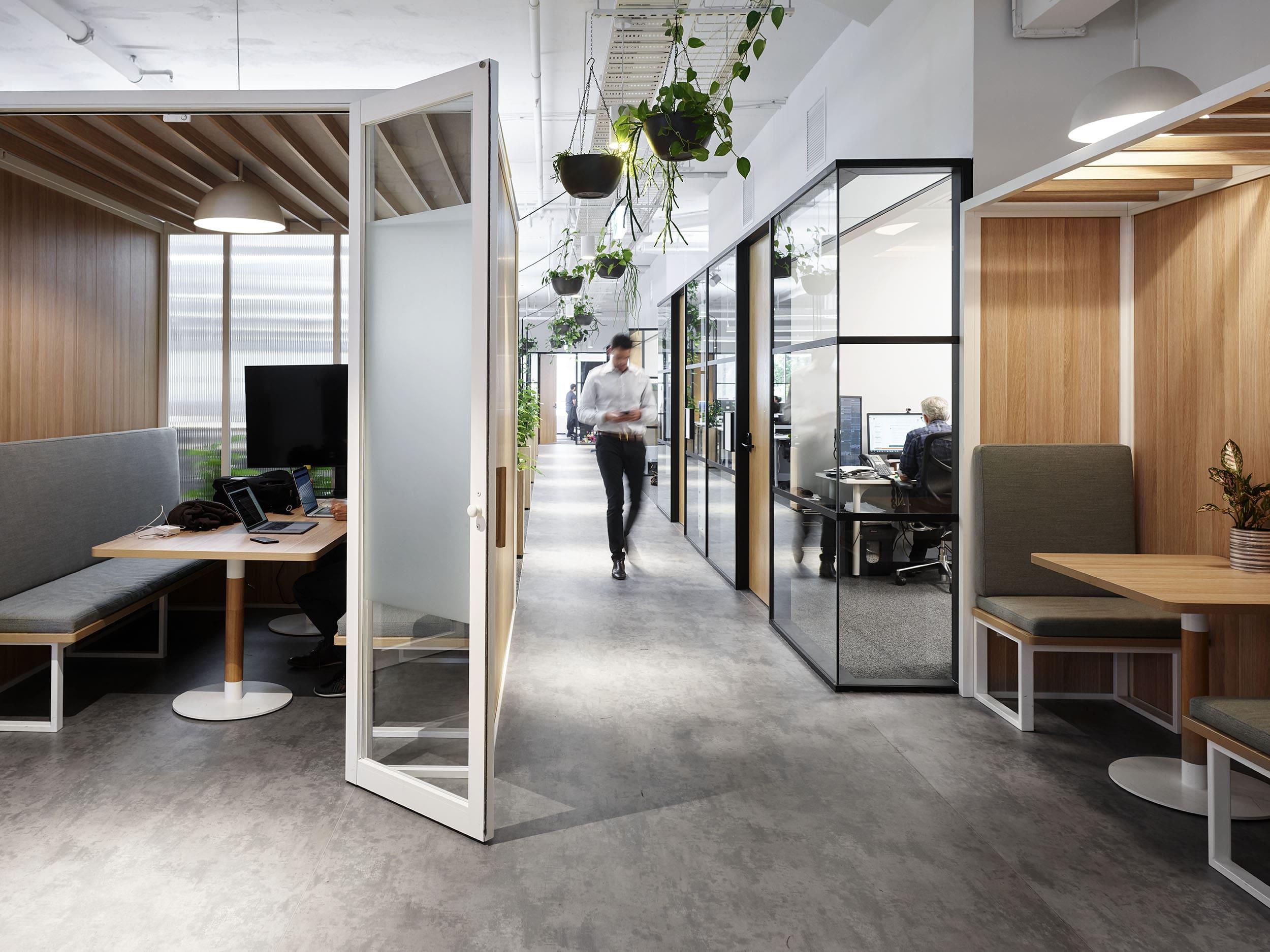
As coworking spaces evolve, the integration of innovative designs and sustainable practices plays a pivotal role in establishing workspaces that are not only aesthetically pleasing but also environmentally responsible. In Caribbean hubs, designers are embracing natural materials and local craftsmanship to create spaces that resonate with the regional culture. By incorporating features such as green walls, energy-efficient lighting, and natural ventilation, these workspaces not only enhance productivity but also contribute significantly to reducing the carbon footprint. The emphasis on biophilic design is transforming how people interact with their environment, bolstering well-being while fostering creativity and collaboration.
Furthermore, the implementation of flexible layouts and multi-functional areas is redefining traditional paradigms of coworking. Spaces are being designed to adapt to various activities, enabling seamless transitions from solo work to team brainstorming sessions. This adaptability is enhanced by the use of smart technology, allowing for real-time adjustments to lighting, acoustics, and furniture arrangements. To illustrate these trends, consider the following table highlighting key features of emerging coworking designs:
| Feature | Description |
|---|---|
| Natural Elements | Incorporation of greenery and natural light to boost mood and productivity. |
| Smart Technology | Integrating IoT devices for a more personalized work experience. |
| Flexible Furniture | Multi-purpose furniture that accommodates various work styles and needs. |
Harnessing Technology to Enhance Collaboration and Productivity in Coworking Hubs
As coworking spaces in the Caribbean continue to evolve, technology plays a pivotal role in fostering collaboration and maximizing productivity. With the rise of digital tools, coworking hubs are integrating innovative solutions that facilitate communication and streamline workflows. By implementing platforms such as project management software, virtual whiteboards, and cloud storage services, these hubs ensure that members can share ideas seamlessly and access resources at their fingertips. This technological integration not only enhances individual productivity but also cultivates a sense of community and shared purpose among members.
To maximize the effectiveness of these tools, many coworking spaces are offering specialized workshops and training sessions. These initiatives aim to empower professionals with the necessary skills to leverage technology effectively. Key offerings often include:
- Collaboration software training to boost teamwork
- Productivity hacks to optimize personal workflows
- Networking events that connect tech-savvy individuals with local experts
Through these efforts, coworking hubs are not just workspaces but vibrant ecosystems where technology drives innovation and collaboration, paving the way for a brighter future in the Caribbean professional landscape.
Policy Recommendations for Local Governments to Support the Coworking Revolution in the Caribbean
To harness the potential of the coworking revolution, local governments in the Caribbean should consider implementing specific policy measures aimed at fostering a conducive environment for coworking spaces. First, creating incentive programs that encourage private investment in coworking facilities can stimulate growth in underserved areas. Additionally, establishing partnerships with local universities and training institutions can ensure a steady supply of skilled entrepreneurs, freelancers, and remote workers who are vital to the coworking ecosystem.
Furthermore, integrating flexible zoning laws that accommodate coworking spaces in both urban and rural settings can attract a diverse range of users. Local governments could introduce tax benefits for coworking operators that support community-driven projects, such as mentoring programs for startups or workshops for local artisans. Emphasizing sustainable practices, governments should also promote the use of green certifications for coworking spaces, aligning with global environmental trends and appealing to eco-conscious users.
Future Outlook
the evolving landscape of coworking spaces in Caribbean hubs signifies a transformative shift in how work and collaboration are perceived across the region. As remote work continues to gain traction and digital nomadism flourishes, these flexible work environments emerge as vital players in fostering innovation, community, and economic resilience. The integration of technology and sustainability into coworking models not only enhances productivity but also aligns with the Caribbean’s commitment to environmental stewardship and social connectivity.
As we look ahead, it is clear that the future of coworking in the Caribbean is bright, characterized by adaptability, inclusivity, and a vibrant exchange of ideas. Stakeholders, including government bodies, entrepreneurs, and real estate developers, must continue to embrace these emerging trends to fully capitalize on the potential of coworking spaces. By doing so, they can not only enhance the region’s appeal as a prime destination for remote workers and investors but also contribute to the overall growth and vitality of their local economies. The journey into this new frontier has just begun, and the Caribbean stands poised to lead the charge in redefining the future of work.