


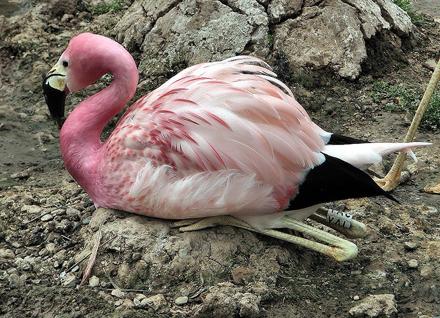
The Caribbean, often celebrated for its stunning landscapes, vibrant cultures, and crystal-clear waters, is home to a rich tapestry of biodiversity. However, beneath the beauty lies an urgent crisis: numerous species native to this region are teetering on the brink of extinction. In many instances, these species are not just integral to their ecosystems but also hold cultural significance for the communities that depend on them. In this article, we will explore the pressing threat facing Caribbean endangered species, the multifaceted conservation efforts underway, and how these initiatives strive to restore balance and sustainability in one of the world’s most fragile environments. Join us as we delve into the inspiring stories of those dedicated to protecting these unique species and what you can do to help safeguard the future of the Caribbean’s natural heritage.
Table of Contents
- Understanding the Unique Challenges Facing Caribbean Endangered Species
- Innovative Conservation Strategies: Community Involvement and Habitat Restoration
- The Role of Technology in Monitoring and Protecting Biodiversity
- Policy Recommendations for Sustainable Development and Environmental Protection
- Wrapping Up
Understanding the Unique Challenges Facing Caribbean Endangered Species
The Caribbean region is home to a rich tapestry of biodiversity, but this delicate ecosystem faces a myriad of unique challenges that threaten its endangered species. Habitat loss is one of the most pressing issues, driven primarily by urban development, agriculture, and tourism. As human populations expand and infrastructure booms, critical habitats such as coral reefs, forests, and wetlands are being destroyed or degraded. This encroachment not only affects the flora and fauna that depend on these ecosystems but also diminishes the region’s ecological resilience against climate change impacts. Furthermore, invasive species pose significant threats, as non-native plants and animals compete for resources, often outcompeting or preying on indigenous species. Keeping ecosystems balanced is essential not just for the species at risk, but for the health of the environment as a whole.
Efforts to conserve these vulnerable species must also contend with socioeconomic factors that complicate protective measures. Many Caribbean nations face economic challenges that make prioritizing conservation harder, as local communities depend on natural resources for tourism and fishing. It is crucial to balance conservation with local livelihoods; therefore, community engagement and education are vital strategies. By fostering a sense of ownership over local biodiversity, communities can play a pivotal role in conservation efforts. Additionally, collaboration between governments, NGOs, and local entities can help create sustainable practices that promote both economic growth and biodiversity preservation. The success of these initiatives hinges on understanding the intricate connections between natural ecosystems and human activities, fostering a holistic approach to conservation that benefits both endangered species and the communities that coexist with them.
Innovative Conservation Strategies: Community Involvement and Habitat Restoration
Community engagement is a cornerstone of modern conservation strategies, transforming local residents into active stewards of their ecosystems. In the Caribbean, this collaborative approach not only strengthens the bond between the community and its natural resources but also empowers individuals to take ownership of their environment. Local workshops and educational programs play a key role in fostering awareness and collaboration around endangered species. Through initiatives such as:
- Citizen Science Projects: Involving community members in data collection and monitoring of wildlife populations.
- Restoration Workshops: Training locals on planting native species and restoring degraded habitats.
- Wildlife Guardians: Citizens volunteering to protect nesting sites of endangered birds.
Habitat restoration is most effective when driven by indigenous knowledge and practices. By combining traditional ecological knowledge with scientific methods, communities are able to implement restoration techniques that are both culturally relevant and environmentally sound. For instance, the utilization of local plant species helps maintain nutrient cycles and supports native wildlife. Furthermore, communities involved in restoration efforts tend to see economic benefits, as healthy ecosystems provide resources essential for sustainable livelihoods. The following table highlights some successful habitat restoration projects in the Caribbean:
| Project Name | Location | Description |
|---|---|---|
| Coral Reefs Restoration | Bahamas | Restoring coral populations through local reef monitoring. |
| Wetlands Revival | Puerto Rico | Restoring mangroves and salt marshes to enhance biodiversity. |
| Forest Rehabilitation | Jamaica | Community-led reforestation of endemic tree species. |
The Role of Technology in Monitoring and Protecting Biodiversity
In the quest to protect the fragile ecosystems of the Caribbean, technology has become an indispensable ally for conservationists. Through the use of remote sensing, drones, and GPS tracking, researchers can gather critical data on wildlife populations and their habitats. These tools facilitate the monitoring of endangered species in real time, allowing for swift action when threats arise. For instance, drones equipped with high-resolution cameras can cover vast areas of difficult terrain, capturing images that reveal changes in habitat and potential human impacts, such as illegal logging or fishing. This data not only enhances our understanding of species distributions but also informs targeted conservation strategies.
Moreover, advances in machine learning and artificial intelligence are revolutionizing how we analyze biodiversity data. Algorithms can process vast amounts of information from sources like camera traps and acoustic sensors, identifying species and their behaviors more quickly and accurately than ever before. This level of insight is crucial for formulating effective conservation policies. To illustrate, the table below highlights key technologies and their corresponding benefits in biodiversity monitoring:
| Technology | Benefits |
|---|---|
| Remote Sensing | Monitors habitat changes and ecological health |
| Drones | Accesses hard-to-reach areas for comprehensive surveys |
| AI Analysis | Processes large datasets for actionable insights |
| GPS Tracking | Tracks movement patterns of endangered species |
Policy Recommendations for Sustainable Development and Environmental Protection
To ensure the longevity of the Caribbean’s delicate ecosystems and protect its endangered species, a multifaceted approach to environmental policy is necessary. Stakeholder engagement should be at the forefront of these initiatives, involving local communities, government agencies, and conservation organizations. Education and awareness campaigns can empower residents to participate actively in conservation efforts. Moreover, establishing protected marine and terrestrial areas can safeguard critical habitats, while promoting sustainable tourism practices that prioritize ecological integrity is essential for balancing economic growth with environmental stewardship.
Funding for conservation projects can be significantly bolstered through public-private partnerships and international grants aimed at biodiversity preservation. Policies must also incentivize sustainable agricultural practices that reduce habitat destruction and promote biodiversity corridors to facilitate the movement of species. Furthermore, a robust monitoring and evaluation framework should be implemented to assess the effectiveness of these policies. It is crucial to integrate traditional knowledge alongside scientific research to create comprehensive strategies that reflect both modern insights and historical practices, ensuring holistic approaches to biodiversity conservation.
Wrapping Up
the conservation of endangered species in the Caribbean is not just a noble endeavor; it is essential for maintaining the delicate balance of our ecosystems and protecting the rich biodiversity that defines this vibrant region. While challenges such as habitat loss, climate change, and human activity continue to threaten these unique species, the dedicated efforts of scientists, local communities, and conservation organizations provide a glimmer of hope.
By supporting these initiatives, we not only help to safeguard the irreplaceable wildlife of the Caribbean but also preserve the cultural heritage and economic vitality of the islands. Each small step, whether it’s participating in local conservation projects, advocating for sustainable practices, or simply spreading awareness, makes a significant impact.
As we reflect on the progress made and the work that still lies ahead, let us commit to being proactive stewards of our environment. Together, we can ensure that future generations will have the opportunity to marvel at the diverse and breathtaking life that thrives in the Caribbean. Stay informed, get involved, and remember: every effort counts in the fight for conservation. Thank you for joining us on this journey toward a more sustainable future!