


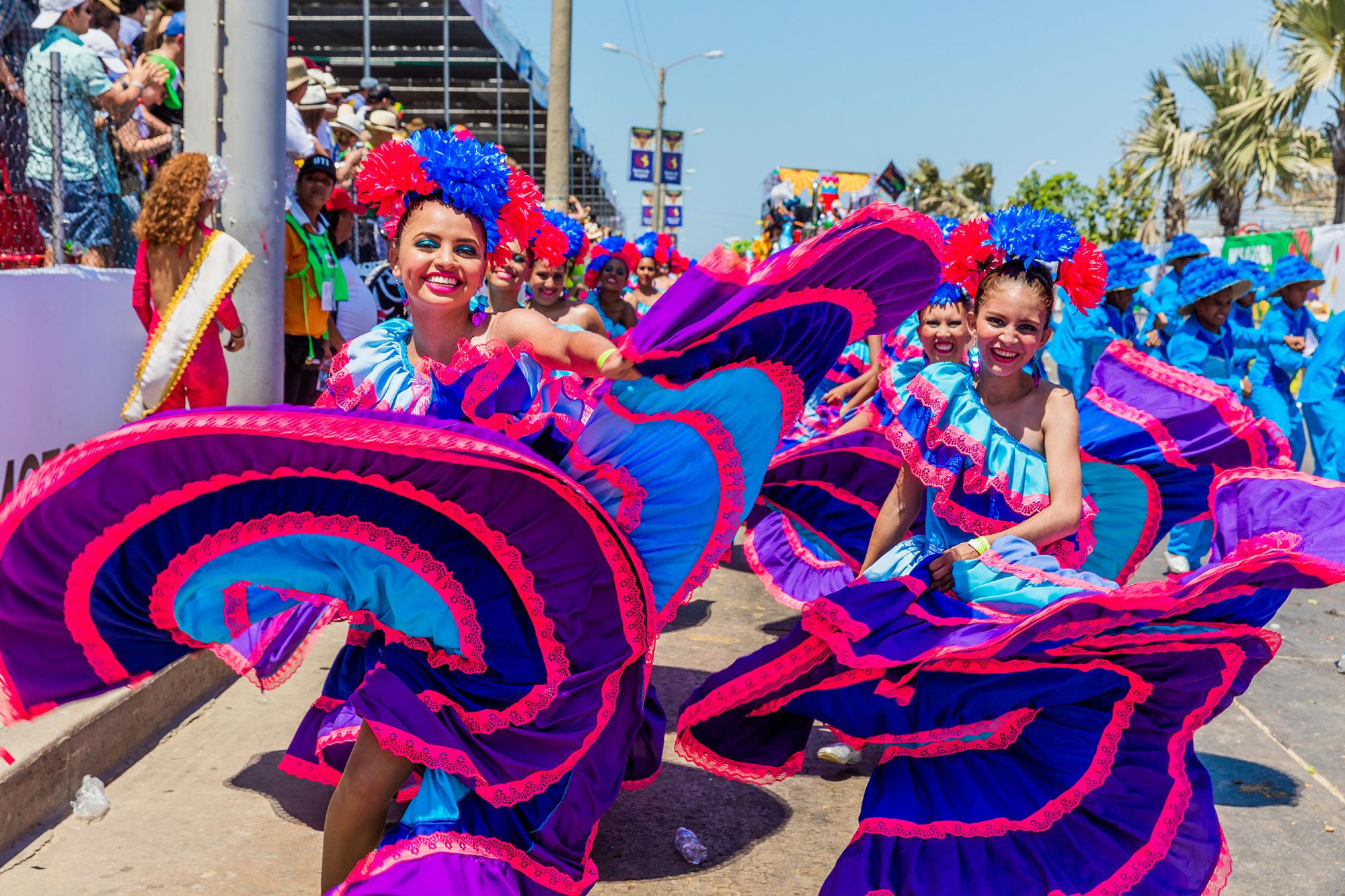
Nestled in the heart of the Caribbean, a vibrant tapestry of cultures unfolds, blending the rich heritage of the past with the pulsating energy of modernity. This paradise, known for its breathtaking landscapes and warm hospitality, has long been a melting pot of traditions — from the rhythmic beats of reggae to the tantalizing flavors of jerk chicken. As the region navigates the tides of globalization and technological advancement, an intriguing dialog emerges between time-honored customs and contemporary influences. In this article, we will explore how Caribbean communities strike a delicate balance, celebrating their unique identities while embracing new ideas and innovations. Join us as we delve into this dynamic interplay, uncovering the ways in which tradition and modernity coexist, complement, and sometimes clash, creating a truly distinctive Caribbean experience.
Table of Contents
- Exploring Caribbean Cultural Heritage Through Contemporary Art
- The Role of Gastronomy in Melding Traditional Flavors with Modern Culinary Trends
- Sustainable Tourism: Balancing Eco-Conscious Practices with Cultural Preservation
- Innovative Approaches to Education: Teaching Caribbean History in a Modern Context
- Wrapping Up
Exploring Caribbean Cultural Heritage Through Contemporary Art
The Caribbean’s contemporary art scene serves as a vibrant canvas that reflects the region’s rich cultural heritage while simultaneously pushing the boundaries of modern expression. Artists draw from a tapestry of influences, incorporating traditional folklore, historic events, and indigenous practices into their work. This fusion results in artworks that echo both past narratives and current socio-political climates, providing a voice for local stories through various mediums such as painting, sculpture, and digital art. For instance, installation art often utilizes reclaimed materials, symbolizing the resourcefulness of Caribbean communities and their connection to the environment, fostering a deeper appreciation for sustainability within cultural practices.
Moreover, the interplay between the old and new is often showcased in exhibitions that highlight collaborative efforts between established and emerging artists. Notable events, such as art festivals and workshops, create spaces where traditional artisans share their craft with future generations. These initiatives allow for a dynamic interchange of ideas, encouraging artists to reimagine age-old themes through contemporary lenses. The result is a rich dialog evident in various forms, as seen in recent showcases that feature:
- Mixed media collages combining photography and textile art
- Street murals that celebrate Afro-Caribbean heritage
- Performance art that reenacts historical narratives
This synergy between traditional roots and modern expressions creates a distinct identity for Caribbean contemporary art, inviting viewers to explore the depth and complexity of the region’s cultural fabric.
The Role of Gastronomy in Melding Traditional Flavors with Modern Culinary Trends
In the Caribbean, gastronomic innovation paints a vibrant tapestry where traditional flavors meet contemporary culinary artistry. This fusion not only honors the rich heritage of the islands but also embraces innovation by incorporating global influences. Chefs are now exploring local ingredients, such as cassava, callaloo, and fresh seafood, and reinterpreting them through techniques like sous-vide or gastronomy-inspired emulsions. By showcasing tropical herbs and spices with modern plating styles or molecular gastronomy methods, the culinary scene becomes an exciting playground where past and present coexist harmoniously.
Key to this culinary melding is the commitment to sustainability and local sourcing, which elevates dishes while supporting the community. Many restaurants are creating menus that reflect the seasons and availability of local produce. Among the elements that are frequently featured, we find:
- Plantain Chips: Crisped with a touch of sea salt and served with artisanal dips.
- Spiced Rum Marinades: Used in both traditional jerk chicken and modern grilled dishes.
- Coconut Cream: Transforming desserts and enhancing savory sauces.
This progressive approach fosters a culinary dialog among chefs and food enthusiasts, inviting them to appreciate the complexities of their local cuisine while expanding their palates. As culinary boundaries continue to blur, the Caribbean exemplifies how gastronomy serves not just as sustenance but as a celebration of cultural identity.
Sustainable Tourism: Balancing Eco-Conscious Practices with Cultural Preservation
In the vibrant tapestry of the Caribbean, sustainable tourism shines as a beacon of hope for both the environment and local cultures. Tourists and local communities alike are increasingly understanding the importance of respecting natural resources while celebrating rich traditions. By engaging in practices that reduce impact and promote wellbeing, visitors can ensure that the pristine landscapes and cultural heritages are preserved for generations to come. Key considerations include:
- Eco-friendly accommodations: Support lodges and hotels that prioritize sustainability.
- Responsible wildlife interactions: Choose tours that focus on ethical wildlife experiences.
- Local artisans: Purchase handmade goods to support local economies while minimizing environmental footprints.
- Waste reduction: Embrace initiatives to reduce waste, such as reusable products and recycling programs.
Cultural preservation stands alongside ecological responsibility, as the unique traditions and practices of the Caribbean communities form a significant part of the region’s allure. Sustainable tourism should therefore emphasize the importance of cultural heritage, offering visitors authentic experiences that respect local customs. Highlights include:
- Participatory experiences: Engage in traditional festivals or cooking classes led by community members.
- Cultural exchanges: Foster understanding through storytelling sessions and workshops.
- Heritage tours: Visit historical sites with guides who share insights about their significance.
Innovative Approaches to Education: Teaching Caribbean History in a Modern Context
Integrating traditional narratives with modern pedagogical techniques can revolutionize the teaching of Caribbean history. Digital storytelling is a powerful tool that allows students to create and share their narratives using photographs, videos, and audio recordings. This method helps learners connect deeply with their cultural heritage while honing their digital skills. Additionally, interactive timelines enable students to visualize historical events alongside contemporary ones, fostering a better understanding of the continuous evolution of Caribbean societies. By engaging in collaborative projects, students can explore themes such as colonialism, migration, and resistance through both modern and historical lenses, promoting critical thinking and empathy.
Furthermore, incorporating community-based learning expands the classroom beyond its walls. Students can participate in local history projects, interviewing community elders and documenting oral histories that often remain untold in traditional curricula. This approach not only enhances student engagement but also strengthens community ties and cultural identity. Additionally, employing multimedia resources, such as virtual reality experiences that immerse students in significant historical sites, can make learning more dynamic and memorable. By marrying cultural immersion with modern technology, educators can create an engaging and respectful learning environment that respects and revitalizes Caribbean history.
Wrapping Up
the Caribbean’s unique ability to blend tradition with modernity creates a rich tapestry that continues to captivate both locals and tourists alike. From vibrant festivals that celebrate ancestral heritage to cutting-edge innovations in art and technology, the region is a living testament to the power of cultural evolution. As we navigate an increasingly globalized world, the experiences and practices that emerge from this harmonious interplay remind us of the beauty in diversity and the importance of preserving our roots while embracing new possibilities. Whether you’re exploring historical sites or enjoying contemporary music, the Caribbean invites you to witness firsthand this striking harmony. Let us celebrate this dynamic fusion and continue to support the cultural narratives that shape the heart of these islands. Thank you for joining us on this journey through the Caribbean’s ever-evolving landscape!