


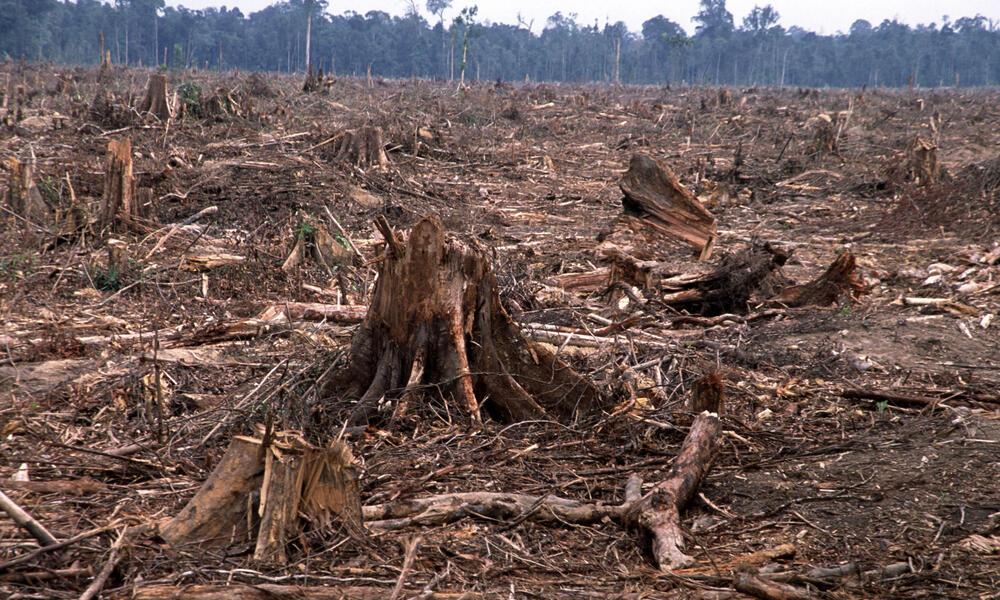
As the world grapples with escalating environmental challenges, the Caribbean region stands at a critical crossroads. With its lush rainforests providing vital ecosystem services and supporting biodiversity, the urgency to combat deforestation has never been more pressing. The Caribbean islands, rich in natural beauty and cultural heritage, are increasingly threatened by illegal logging, agricultural expansion, and climate change. Recognizing these challenges, governments, NGOs, and local communities are ramping up their efforts to safeguard these valuable ecosystems. This article explores the multifaceted initiatives being implemented across the region, highlighting innovative strategies, collaborative efforts, and the vital importance of sustainable development in the fight against deforestation. As stakeholders unite to protect their forests, the Caribbean has the potential to not only preserve its natural resources but also to set a global example for conservation and resilience in the face of environmental adversity.
Table of Contents
- Revitalizing Caribbean Forests through Community Engagement Strategies
- Innovative Policies for Enhancing Reforestation Efforts in the Caribbean
- Sustainable Agriculture Practices as a Tool Against Deforestation
- Leveraging Technology to Monitor and Combat Illegal Logging Activities
- Concluding Remarks
Revitalizing Caribbean Forests through Community Engagement Strategies
Community-driven initiatives are pivotal in the restoration and conservation of Caribbean forests. By fostering local participation, these strategies not only enhance awareness but also promote sustainable practices that can mitigate the adverse effects of deforestation. Engaging communities can take many forms, including:
- Education programs that highlight the importance of biodiversity.
- Workshops to train locals in sustainable agriculture techniques.
- Collaborations with indigenous groups to share traditional knowledge and practices.
A successful model incorporates technology and social media to amplify the voices of community members and showcase their efforts in reforestation. For instance, leveraging local influencers can help spread messages about conservation initiatives while encouraging volunteer participation. Regular community meetings and feedback sessions can further ensure that strategies are aligned with the needs and aspirations of the residents, reinforcing a sense of ownership over their natural heritage.
| Community Engagement Strategy | Expected Outcome |
|---|---|
| Tree Planting Drives | Increase green cover and community morale |
| Environmental Education | Improved knowledge and stewardship of forests |
| Local Art Initiatives | Awareness through creativity and storytelling |
| Partnerships with NGOs | Enhanced resources and expertise in conservation efforts |
Innovative Policies for Enhancing Reforestation Efforts in the Caribbean
To effectively combat deforestation in the Caribbean, innovative policies must be implemented that inspire community engagement and foster sustainable practices. Incentivizing local communities to participate in reforestation efforts can create a sense of ownership and responsibility towards the environmental landscape. Programs could include:
- Financial subsidies for farmers who adopt agroforestry practices
- Tax credits for businesses that invest in sustainable forestry
- Workshops and educational programs aimed at increasing awareness of the benefits of reforestation
Furthermore, innovative financing instruments, such as green bonds, can be explored to fund large-scale reforestation projects. These financial tools not only attract capital but also create opportunities for public-private partnerships that leverage resources and expertise. The implementation of regulatory frameworks that prioritize native species and protect existing forests will also enhance these initiatives. A coordinated approach by governments, NGOs, and local stakeholders is essential for creating resilience against the impacts of climate change in the Caribbean region.
| Policy Initiative | Description | Expected Outcome |
|---|---|---|
| Community Engagement Programs | Involving locals in reforestation | Increased tree cover and community investment |
| Green Financing Mechanisms | Issuing green bonds for funding | Attracting sustainable investments |
| Regulatory Frameworks | Policies protecting forests and fostering native species | Enhanced biodiversity and ecological balance |
Sustainable Agriculture Practices as a Tool Against Deforestation
Sustainable agriculture practices are increasingly recognized as a vital strategy for mitigating deforestation, especially in the Caribbean where natural ecosystems face immense pressure. These methods prioritize environmental health while enhancing agricultural productivity. Techniques such as agroforestry, which integrates trees into farming systems, help maintain biodiversity and improve soil quality. Furthermore, practices such as crop rotation and intercropping can contribute to reducing land degradation, thereby minimizing the need to clear additional forest areas for cultivation.
Additionally, the adoption of organic farming can significantly reduce chemical runoff that often pollutes nearby forests and waterways, fostering a healthier ecosystem. Farmers who engage in sustainable practices might also benefit from financial incentives and market opportunities tied to eco-friendly products. The table below outlines some key sustainable practices along with their potential benefits:
| Practice | Benefits |
|---|---|
| Agroforestry | Enhances biodiversity, improves soil health |
| Crop Rotation | Prevents soil depletion, reduces pests |
| Intercropping | Maximizes land use, increases yields |
| Organic Farming | Reduces chemical use, enhances ecosystem health |
Leveraging Technology to Monitor and Combat Illegal Logging Activities
Advancements in technology have opened new avenues to monitor and combat illegal logging activities in the Caribbean. With the integration of satellite imaging, drones, and AI-based analytics, environmental agencies can detect unauthorized deforestation in real-time. These tools empower local governments and non-governmental organizations to respond rapidly to threats against their forests, ensuring that interventions are timely and effective. By leveraging geospatial mapping and remote sensing, stakeholders can gather critical data on forest cover changes, enabling informed decision-making and tighter regulation enforcement.
Additionally, community engagement is enhanced through the use of mobile applications that allow citizens to report suspicious logging activities directly to authorities. Such platforms not only increase surveillance but also foster a sense of stewardship among local populations. The effectiveness of these technological interventions can be significantly amplified by training programs aimed at equipping both rural communities and law enforcement with the necessary skills to use these tools effectively. A collaborative framework among government, tech companies, and local conservation groups could be pivotal in creating a sustainable future for Caribbean forests. The following table outlines the potential technological tools and their applications:
| Technology | Application |
|---|---|
| Satellite Imaging | Monitoring forest cover changes |
| Drones | Conducting aerial surveys for illegal activities |
| AI Analytics | Identifying patterns of deforestation |
| Mobile Apps | Reporting illegal logging incidents |
Concluding Remarks
the fight against deforestation in the Caribbean is not just an environmental imperative but a necessity for sustainable development, economic resilience, and the preservation of cultural heritage. As the region grapples with the impacts of climate change, collaborative efforts among governments, NGOs, local communities, and international partners are vital to implement effective strategies that safeguard the rich biodiversity and vital resources of Caribbean ecosystems. Strengthening initiatives such as reforestation projects, community-awareness programs, and sustainable land-use policies will be crucial to reversing the trend of forest loss. With a united commitment to these efforts, the Caribbean can pave the way for a greener, more sustainable future that benefits both the environment and its inhabitants. As we move forward, the call to action is clear: collective engagement and strategic measures are essential to protect the region’s invaluable forests for generations to come.