


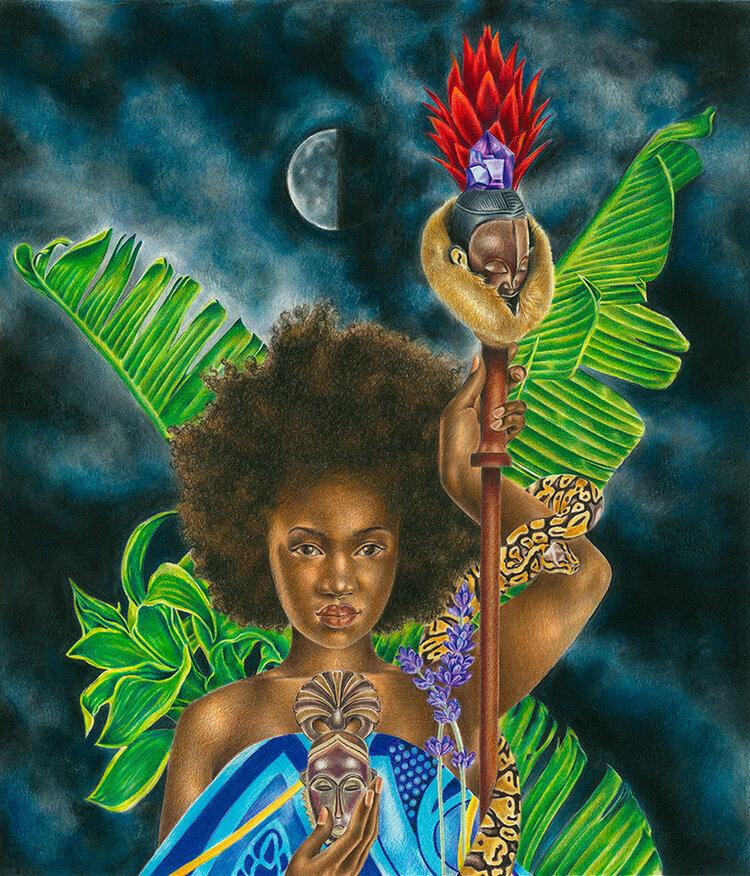
The Caribbean is a vibrant tapestry of cultures, histories, and belief systems that reflect the region’s complex past. From the lush landscapes of Jamaica to the serene shores of Barbados, the islands are home to a rich array of spiritual practices that blend indigenous traditions, African influences, European religions, and more recent spiritual movements. In this exploration of Caribbean spirituality, we invite you to dive into the diverse faiths and rituals that shape the lives of its people. Discover how these spiritual expressions not only serve as a connection to the divine but also as a means of community cohesion, cultural identity, and resilience. Join us as we uncover the rituals, beliefs, and stories that make Caribbean spirituality a unique and compelling facet of the human experience.
Table of Contents
- Exploring the Foundations of Caribbean Spirituality
- Rituals and Practices that Define Caribbean Faith
- The Role of Ancestors in Caribbean Spiritual Beliefs
- Recommendations for Engaging with Caribbean Spiritual Traditions
- Insights and Conclusions
Exploring the Foundations of Caribbean Spirituality
Caribbean spirituality is a vibrant tapestry woven from indigenous beliefs, African traditions, European influences, and more. At the heart of these practices is a deep connection to the earth, ancestors, and the spiritual realms. Common threads of Caribbean spirituality often include:
- Connection to Nature: The land, sea, and sky are revered as sacred entities that nourish the body and spirit.
- Ancestor Worship: The past is honored through rituals that celebrate the lives and legacies of ancestors who guide and protect.
- Drumming and Dance: Rhythmic expressions that serve as vital forms of communication with the divine.
- Healing Practices: Herbalism and spiritual healing are essential for maintaining well-being and connection to the community.
This rich spiritual landscape is further enriched by the diverse cultures that have inhabited the islands. A few key religions practiced in the Caribbean include:
| Religion | Origins | Main Practices |
|---|---|---|
| Vodou | African and Haitian | Rituals, ancestral communication, healing |
| Santería | African and Cuban | Divination, dance, offerings to Orishas |
| Obeah | West African | Spiritual healing, protection rituals |
| Séfèt and Myal | African and Jamaican | Spirit possession, herbal medicine, celebrations |
Rituals and Practices that Define Caribbean Faith
Across the Caribbean, spirituality intertwines with the daily lives of its people, manifesting through vibrant rituals and time-honored practices. These expressions draw from a rich cultural patchwork, with influences stemming from African, Indigenous, European, and East Indian traditions. Communities engage in rituals that honor ancestors, celebrate the land, and invoke blessings, all of which reveal a deep-seated respect for heritage and the divine. Common practices include:
- Voodoo Ceremonies: Drawing from Haitian roots, these gatherings blend music, dance, and offerings to connect with spirits.
- Santería: Originating from Cuba, this faith intertwines Catholic saints with Yoruba deities, often celebrated through elaborate rituals and drumming.
- Rastafarian Observances: In Jamaica, these rituals focus on connecting with Jah, often featuring communal feasting and the sharing of wisdom.
- Obeah Practices: While controversial, these methods of folk magic are used for healing and protection, revealing the community’s belief in unseen forces.
Another vital aspect of Caribbean spirituality is the role of celebration in ritualistic life. Festivals are pivotal moments when faith converges with communal joy, showcasing the region’s unique cultural identity. Events like the Carnival, celebrated across various islands, fuse religious expression with artistic performance, as participants don costumes that reflect historical narratives and spiritual beliefs. Additionally, the Nine Nights in Jamaica serve as a homage to deceased loved ones, where families gather in remembrance, sharing stories to ensure that the spirits of the departed remain alive within the community. The integral rhythm of life here is echoed in the rituals practiced, embracing both individual faith and collective identity.
The Role of Ancestors in Caribbean Spiritual Beliefs
In the diverse tapestry of Caribbean spirituality, ancestors hold a central role that transcends mere reverence; they are a vital link between the living and the spiritual realms. For many Caribbean cultures, the connection to ancestors serves as a foundation of identity and belonging. Through rituals and offerings, individuals demonstrate their respect and seek guidance, fostering a sense of continuity with the past. Ancestors are often viewed as protectors and sources of wisdom, with their spirits invited into daily life, thus integrating ancient practices into modern existence.
The belief in ancestral influence manifests in countless ways across the Caribbean, ranging from ceremonial gatherings to personal altars adorned with photographs and mementos. Key practices include:
- Invocation of Spirits: Rituals that call upon ancestors to offer advice and protection during significant life events.
- Altar Creation: Spaces dedicated to honoring ancestors with flowers, food, and symbolic items that represent their legacy.
- Storytelling: Oral traditions that preserve the history and teachings of ancestors, fostering community bonds and shared values.
| Practice | Purpose |
|---|---|
| Ritual Offerings | To appease and honor ancestral spirits. |
| Community Gatherings | To strengthen ties and share ancestral stories. |
| Ancestor Veneration | To seek guidance and blessings in everyday life. |
Recommendations for Engaging with Caribbean Spiritual Traditions
Engaging with Caribbean spiritual traditions requires an open heart and a willingness to explore the rich tapestry of beliefs and practices that define the region’s cultural heritage. To genuinely appreciate these traditions, it is essential to approach with respect and a readiness to learn. Here are some ways to deepen your understanding:
- Attend local ceremonies or rituals to experience the spirituality in action.
- Connect with practitioners and elders who can share their knowledge and experiences.
- Read literature that captures the nuances of Caribbean spirituality, including folklore and contemporary interpretations.
- Participate in workshops or community gatherings to immerse yourself in these traditions.
Additionally, it’s important to be mindful of the cultural significance behind various practices. Caribbean spirituality often intersects with history, identity, and community values. Consider the following aspects when engaging:
| Aspect | Considerations |
|---|---|
| Rituals | Understanding the purpose and meaning behind each element. |
| Symbols | Learning the significance of colors, objects, and images used. |
| Community | Recognizing the communal aspect of spirituality as a shared experience. |
By engaging with these traditions thoughtfully, you can foster connections that honor the cultural intricacies of Caribbean spirituality and its enduring legacy.
Insights and Conclusions
As we conclude our exploration of Caribbean spirituality, it’s clear that the intricate tapestry of faith and rituals in this vibrant region offers profound insights into the human experience. From the vibrant celebrations of festivals to the deep-rooted traditions passed down through generations, Caribbean spirituality is a testament to resilience, cultural heritage, and community.
Whether you’re drawn to the rhythms of reggae-infused spirituality or the solemnity of ancestral practices, there’s much to appreciate and learn from these rich traditions. As we reflect on the diverse beliefs and rituals that shape the lives of many in the Caribbean, we invite you to consider how these spiritual expressions resonate in the wider context of global faith traditions.
If you’ve enjoyed this journey through Caribbean spirituality and would like to learn more, feel free to explore our other articles or share your thoughts in the comments below. Your experiences and perspectives enrich this conversation, and we look forward to hearing from you. Until next time, may your own spiritual path be filled with discovery and understanding.