


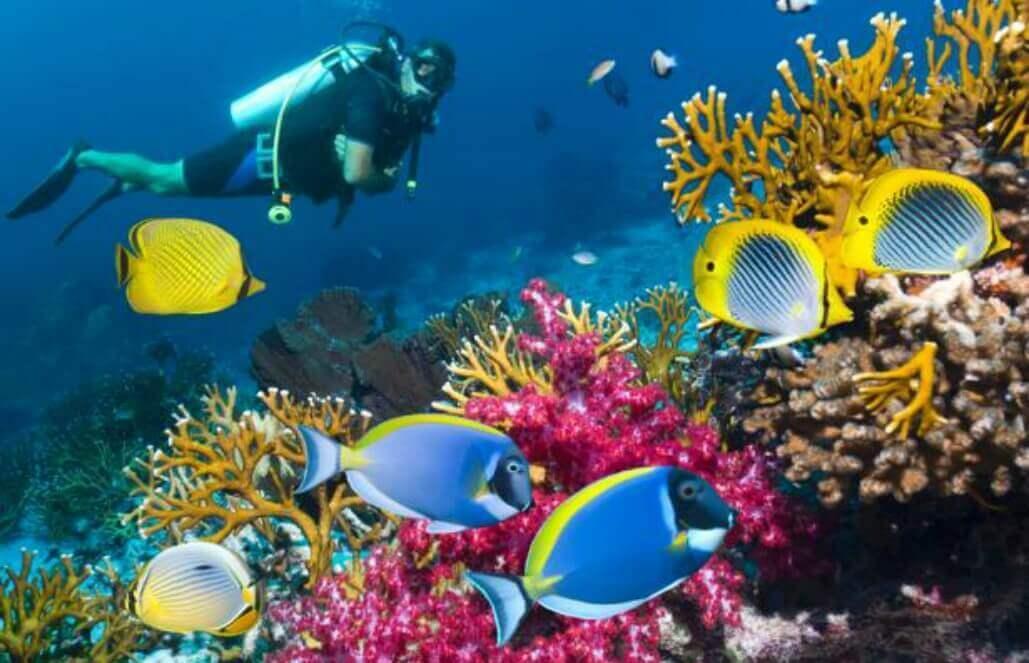
As the global community grapples with the escalating threats to marine ecosystems, including overfishing, pollution, and climate change, inspiring stories of resilience and recovery have begun to emerge from the deep blue. These marine conservation triumphs not only highlight the success of dedicated individuals and organizations but also underscore the critical importance of collective action in safeguarding our oceans for future generations. In this article, we delve into remarkable initiatives and breakthroughs that have revitalized marine habitats, protected endangered species, and fostered sustainable fishing practices. Join us as we explore these success stories that not only serve as a beacon of hope but also offer valuable lessons in marine stewardship and environmental responsibility. Together, we can ensure that the health of our oceans is prioritized and preserved, illustrating the profound impact of conservation efforts worldwide.
Table of Contents
- Innovative Marine Protected Areas: Pioneering Successes in Biodiversity Preservation
- Community-Led Initiatives: Grassroots Efforts Driving Sustainable Fishing Practices
- Restoration Efforts: Reviving Coral Reefs and Coastal Ecosystems
- Policy Advancements: Effective Legislation and Partnerships for Ocean Conservation
- In Summary
Innovative Marine Protected Areas: Pioneering Successes in Biodiversity Preservation
Across the globe, innovative approaches to marine protected areas (MPAs) have emerged as vital tools for sustaining marine biodiversity. Noteworthy successes include the creation of community-managed MPAs, where local stakeholders take active roles in conservation. Such initiatives have demonstrated that empowering local fishermen and indigenous communities leads to more effective stewardship of marine resources. For example, in the coastlines of Sri Lanka, communities have established protective zones, resulting in the revival of threatened fish populations and a resurgence of marine ecosystems. These local efforts not only bolster biodiversity but also enhance food security and economic resilience for coastal communities.
Technological advancements have also played a crucial role in monitoring the health of these marine environments. Utilizing tools such as satellite imagery, drones, and underwater drones, researchers can evaluate the effectiveness of MPAs in real time. Recent successes include the collaborative project on the Great Barrier Reef, where early warning systems have been implemented to monitor coral bleaching trends and fish populations. In addition, the understanding of how climate change affects marine ecosystems is improving, enabling more informed management decisions. Below is a brief overview of some pioneering MPAs:
| Marine Protected Area | Location | Year Established | Key Achievement |
|---|---|---|---|
| Papahānaumokuākea | Hawaii, USA | 2006 | Largest conservation area in the world |
| Cabo de Gata-Níjar | Spain | 1987 | Flourishing marine flora and fauna |
| Chagos Archipelago | Indian Ocean | 2010 | Critical habitat for endangered species |
Community-Led Initiatives: Grassroots Efforts Driving Sustainable Fishing Practices
Across the globe, local communities are emerging as pivotal players in the movement towards sustainable fishing practices. By uniting diverse stakeholders—fishermen, scientists, and conservationists—they are fostering a collaborative approach that not only protects marine ecosystems but also ensures the livelihoods of those who rely on the sea. These grassroots initiatives are often deeply informed by local knowledge and traditions, allowing for tailored solutions that resonate more effectively within specific contexts. Some impactful strategies include:
- Community Monitoring Programs: Local fishers participate in tracking fish populations, providing critical data for sustainable management.
- Marine Protected Areas (MPAs): Communities are spearheading efforts to establish MPAs, safeguarding key habitats from overfishing.
- Education and Awareness Campaigns: Initiatives to educate the public about sustainable practices and the importance of preserving marine biodiversity are gaining traction.
These initiatives not only showcase the power of community engagement but also the success that can be achieved through cooperative governance. For instance, recent case studies have highlighted the transformative impacts of community-led fisheries management in various regions. Below is a summary of some notable examples:
| Initiative | Location | Impact |
|---|---|---|
| Fishery Resilience Project | Philippines | Increased fish stocks by 40% in 5 years |
| Community MPA Creation | Belize | Improved biodiversity and local tourism |
| Sustainable Fishing Workshops | Kenya | Enhanced understanding of sustainable practices |
Restoration Efforts: Reviving Coral Reefs and Coastal Ecosystems
Across the globe, innovative restoration efforts are breathing new life into coral reefs and coastal ecosystems, showcasing the resilience of marine life when supported by science and dedicated communities. Initiatives such as coral farming and rehabilitation of mangrove forests have gained momentum, with organizations collaborating to develop sustainable practices that benefit both environmental health and local economies. Community involvement plays a pivotal role in these efforts; local stakeholders have stepped up to engage in monitoring, protecting, and even replanting coral species that have faced severe threats from climate change and pollution.
The success stories from various regions exemplify what can be achieved through commitment and collaboration. Noteworthy projects include:
- The Coral Triangle Initiative in Southeast Asia, which has led to the establishment of marine protected areas.
- The Blue Economy Project in the Caribbean, focusing on sustainable fishing practices alongside coral restoration.
- Mangrove Restoration in the Sundarbans, enhancing coastal resilience against storms while providing habitat for diverse marine species.
| Region | Restoration Method | Impact |
|---|---|---|
| Australia | Coral Gardening | Increased biodiversity |
| Florida | Reef Ball Installation | Boosted local fish populations |
| Indonesia | Coral Triangle Initiative | Protection of critical habitats |
Policy Advancements: Effective Legislation and Partnerships for Ocean Conservation
Innovative legislation has paved the way for significant strides in ocean conservation, as governments and organizations come together to protect marine ecosystems. Key policies have been implemented globally, focusing on sustainable fishing practices, marine protected areas (MPAs), and pollution reduction. Collaborative efforts between nations have led to agreements that prioritize the restoration of coral reefs and the protection of endangered species, showcasing the efficacy of unity in policymaking. Initiatives such as the Our Ocean Conference have facilitated critical discussions that result in concrete commitments aimed at safeguarding our oceans for future generations.
Equally essential are the partnerships formed between governments, NGOs, and local communities. These collaborations harness local knowledge and expertise while promoting community-driven solutions to marine challenges. Through shared resources and comprehensive action plans, stakeholders work towards achieving conservation goals, such as:
- Reducing plastic waste through innovative recycling programs and clean-up drives.
- Enhancing sustainable tourism that respects marine biodiversity.
- Supporting fisheries with training on sustainable practices.
In addition, monitoring and reporting on the health of marine ecosystems have become indispensable components of these partnerships. For instance, the following table outlines some successful global collaborations and their objectives:
| Partnership | Focus Areas | Key Achievements |
|---|---|---|
| Ocean Conservancy | Pollution Reduction | Mobilized over 1 million volunteers for coastal clean-ups |
| WWF & Local Fishermen | Sustainable Fishing | Received certification for sustainable fishing practices |
| Global Coral Reef Alliance | Coral Restoration | Restored more than 50,000 square meters of reef |
In Summary
the stories highlighted in “” serve as a testament to the resilience of our oceans and the dedication of individuals and communities working tirelessly to protect them. These successes not only showcase effective strategies and innovative approaches but also inspire a global movement towards sustainable practices and environmental stewardship. As we celebrate these achievements, it is imperative that we continue to invest in marine conservation efforts, support local initiatives, and advocate for policies that prioritize the health of our oceans. The journey towards achieving sustainable marine environments is ongoing, but with each triumph, we draw closer to securing a thriving future for our planet’s invaluable marine resources. Let these stories galvanize collective action, reminding us that every effort counts in the fight to preserve our seas for generations to come.