


By Simon Cawdery
In case you hadn’t realised, it’s election season. While the airwaves and news wires are brimming with carefully crafted, thoughtfully costed, meticulously presented and detailed manifestos, I thought I would add spice into the contest and contribute my own ideas.
Some are concrete, others philosophical, but all, in my view, could spark meaningful debate and deliver positive benefits to the Cayman Islands. There’s no ideology intended in any of these suggestions; the goal is achievability.
In case any party or candidate wishes to borrow (or boldly steal) any of these, please do! No trademarks, copyright or intellectual property will be infringed.
1. Time zones: Same as Miami/New York, year round
 The US and Europe keep debating whether to abandon daylight saving time. Concerns about farming, or nostalgic memories of school kids walking in the dark to school prevent it. One day, those in power will wake up and realise we live in the 21st century with electricity. Until that day, Cayman needs to stop shooting itself in both its tourism and finance feet and align its clock, year round, with that of the east coast of the United States.
More business hours with Europe. Fewer tourists struggling to make their flight connections due to the lost hour as they return home. An extra daylight hour for restaurants and bars to service their patrons. It costs nothing and helps everyone. Yes, we will need to suffer the horror of changing our clocks twice a year, but if others can do it, I think, given Cayman’s rich tapestry of watch makers, we can do it too. No downside. Obvious benefits. Let’s stop the debate and just make it happen.
2. Reform the school system
 Surely everyone agrees that what we want for Caymanian children is the best educational opportunities delivered in the most cost-effective way. On that basis, we have to admit something hard: government-funded and government-run schools achieve worse outcomes at higher costs than the private sector (as shown in a Compass column I wrote in 2023: Opinion: Is our education system offering value for money?)
With everyone presumably philosophically aligned, let’s start with a blank sheet of paper and put inherent biases to one side. If what exists is broken and fixing it hasn’t, for two decades, worked, the alternative becomes not only beneficial but necessary.
We should introduce education vouchers for every Caymanian child, usable at any school (by law), and tender the administration, running and ownership of government schools out to independent educational operators who, evidence shows, will run them better and more cost effectively.
Every Caymanian child would then have an equal opportunity to attend the best-run schools in the country. This would help improve educational standards and reduce government costs. I accept that government will need to provide some educational services, such as for those in need of special assistance, but education provision is currently riddled with historical ideology which doesn’t deliver for the children.
An ancillary, but equally important, benefit is that the current segregation of Caymanian children in government schools and children of expats in private schools would disappear. This policy can deliver cost savings, improve educational outcomes for Caymanian children and enhance social integration. Not a bad trifecta for one policy.
3. Privatise the National Roads Authority
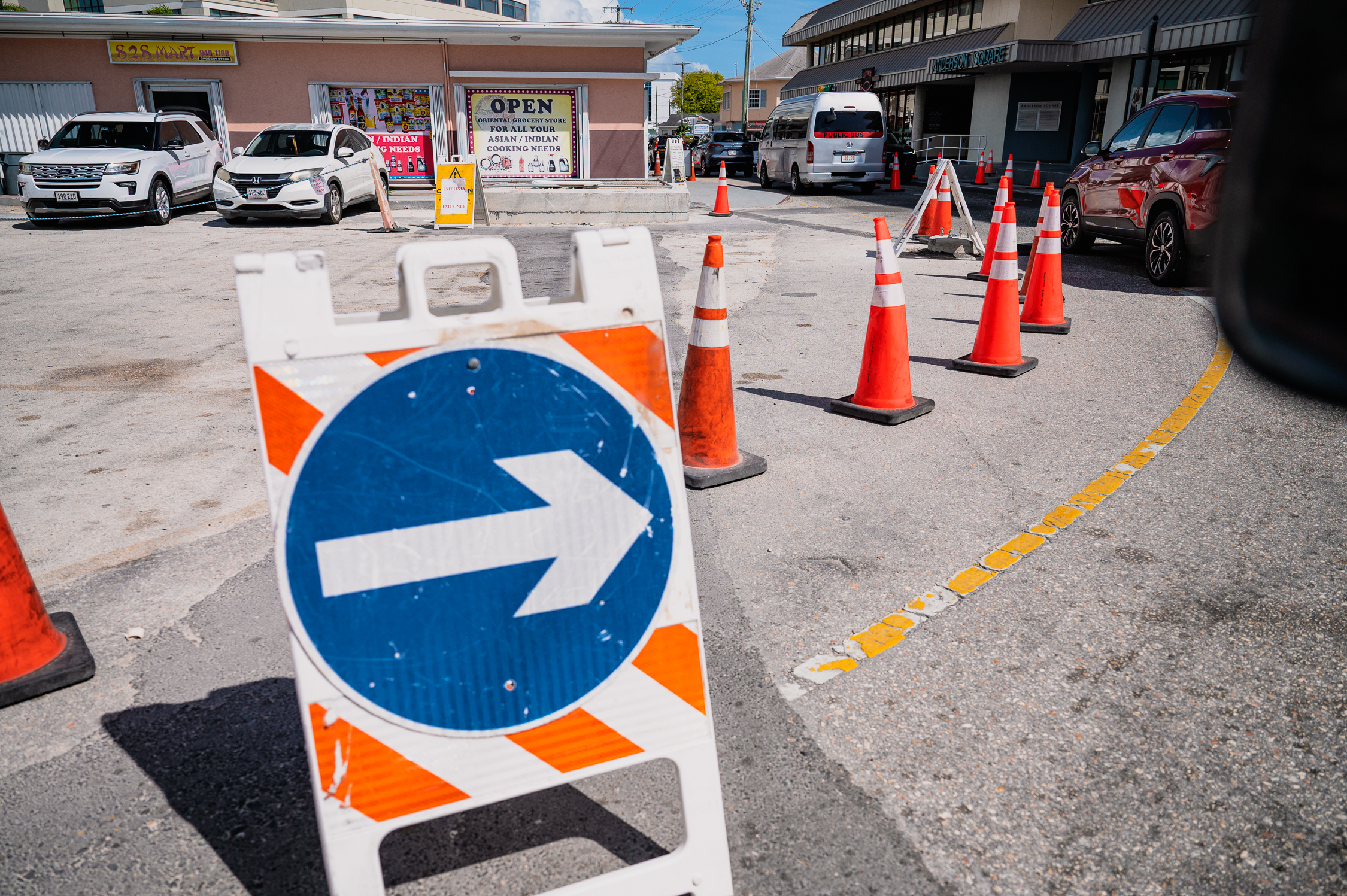 Let me be crystal clear upfront, this is not a critique of the National Roads Authority – I think they do a great job. But does the NRA really need to be a division of government? What if it became an independent firm, that was liberated to compete for other projects, as opposed to being captive to only doing government activities? It would also open up opportunities to the private sector by allowing it to bid for work currently done by the NRA.
Arguably, Cayman could do with more competition in general (as there are monopolies and duopolies wherever one looks – a subject worthy of separate investigation by the competition and regulatory bodies). Might privatising the NRA result in improved competition, reduced costs, and stimulate market efficiency for the benefit of all of us? I think the answer is probably ‘yes’ to all of those. What’s the harm in trying?
4. Pensions: Raise contribution rates
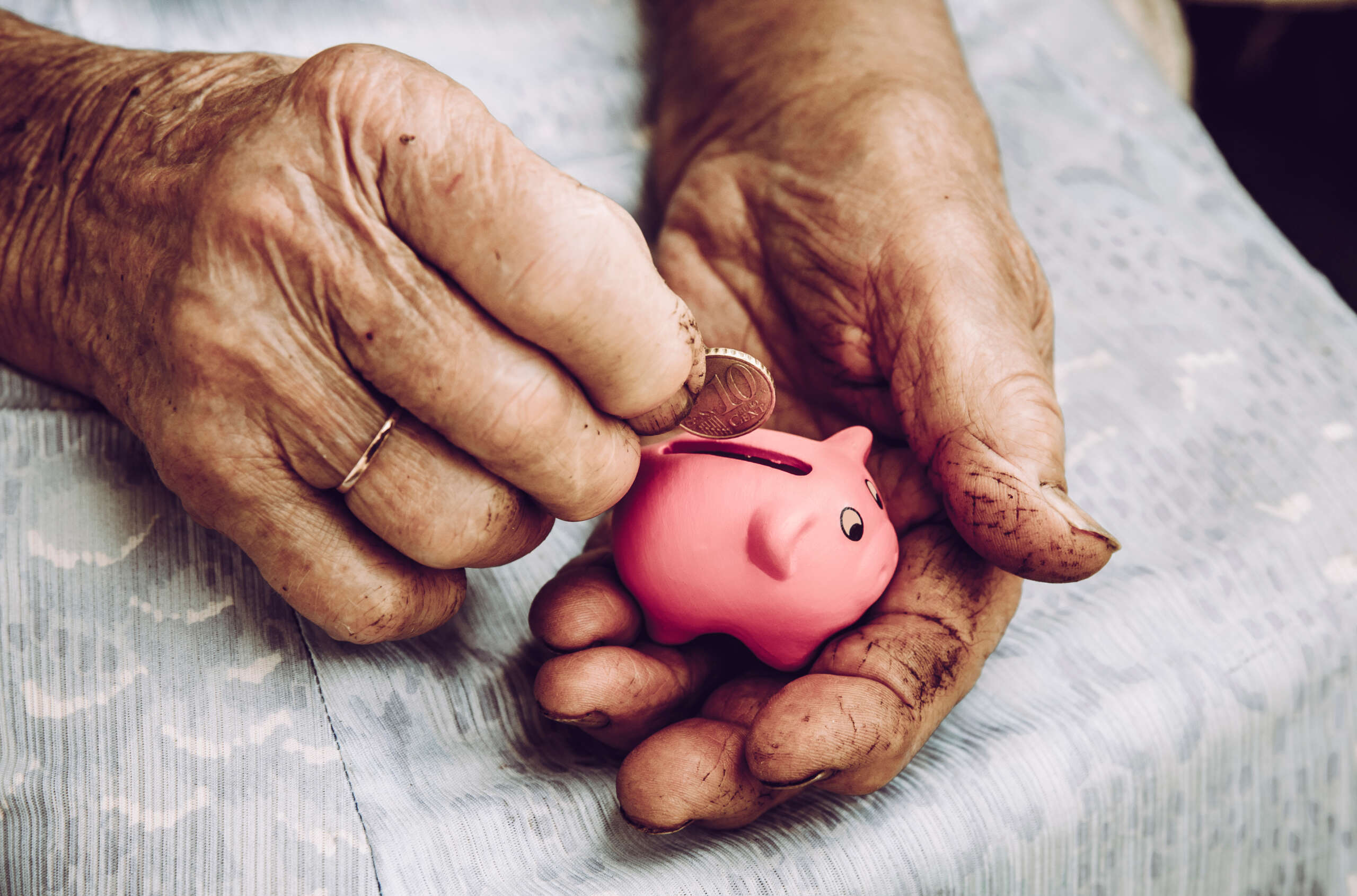 Increase mandatory pension contribution rate to 15%, then 20% – assuming 25% is a political bridge too far (see Compass column Opinion: Cayman’s broken pension system needs radical reform).
This may not be universally popular nor win votes, but it’s urgent. Cayman faces huge unfunded liabilities over the next 20 years due to a mixture of healthcare and retirement obligations that the government will be compelled to fund. Once elected, politicians must scrutinise both the government balance sheet, and it’s off-balance-sheet liabilities – which are significant and getting worse.
Arguably, the best time to introduce an unpopular, but needed policy, is straight after an election, when there’s plenty of political capital available and a long enough time until the next election cycle.
Barely anyone in Cayman, whether employed in the private or public sector, will, under the current system, retire with an adequate pension (due to inadequate contributions and the high cost of living in Cayman). This will cause economic hardship to those without alternative savings, and such hardship will be a burden for the government.
You may ask why an individual on an insufficient private pension should be supported by the government, but the answer is clear. No government can stand idly by and watch its retiree population live in poverty. Thus, government will have to provide a social safety net for such people in the future. None of this is costed or accounted for in government budgets.
The sooner this is addressed, the lower the overall monetary burden will be. Even if we begin the process now by increasing contribution rates, we will still need to make further, painful, future changes. But starting soon can help to move the dial in the right direction, position the country on a more stable footing and reduce the long-term bill. As an ancillary point, we also need to accept that the retirement age in Cayman (as in other countries) will have to rise, probably, eventually, to 70. Sorry.
5. Healthcare: A smarter insurance model
 Cayman’s healthcare system is creaky, inefficient and expensive. Two simple ideas that could immediately change that:
National insurance procurement
Instead of 1,000 companies negotiating for tiny employee groups, government should establish a statutorily independent body that will administer the procurement of a national insurance policy. This wouldn’t be state provision of healthcare but rather sensible coordination of private medical insurance purchasing for 80,000 people. That’s real bargaining power. Every citizen would then be free to choose their own policy, not stuck with whatever their employer offers.
This body should set out a tender, so that global, private insurance companies are required to offer at least three options (much like exists today with the SHIC, standard and premium plans), and then every citizen is free to select the one that best suits their needs. The tendering process should happen every five to seven years to ensure Cayman continues to get the best policy options, and keep the providers on their toes.
If done well, this policy approach could help bring down costs for everyone in Cayman, as well as help the government sector keep a lid on its own healthcare costs, which are another huge unfunded liability.
It also improves job mobility for Caymanians. Right now, people with health needs often feel stuck in their jobs because switching risks losing the same level of insurance coverage. That may discourage them from pursuing better work opportunities. This policy change fixes that. In economist-speak, our current system reduces labour mobility – something that suppresses wages – and limits an employee’s ability to negotiate for better conditions (with the employer knowing moving jobs is difficult), putting them at a disadvantage and potentially limiting their potential.
A final point on this is that taking insurance away from being a burden of employers would also help entrepreneurial activity. Entrepreneurs are often hamstrung in Cayman from employing someone locally, or starting a business, because of the cost of insurance, or restrictions in health insurance options. Neither is satisfactory and each holds back the zest and entrepreneurial spirit that will help Cayman continue to thrive.
Tax the bad stuff (and back the good stuff)
This is a drum I have been banging on about for a while now, so apologies for repeating it again. But the facts are clear: Cayman has a health problem, and it starts with what we eat.
The fix is simple:
Double (or triple) taxes on junk food and high-sugar products.
Cut taxes to zero on vegetables, fruits and pulses.
Use that tax revenue as an incubator or venture capital fund that lends money to entrepreneurs in exchange for a 20% equity stake in their business. The catch is that the business must invest in vertical farming infrastructure.
Vertical farming infrastructure is environmentally friendly, sustainable and resilient since it can operate in, at its most basic, shipping containers. It works off solar, requires limited water and takes up little space. There’s no reason Cayman couldn’t be producing 75%+ of its own fruit and vegetables with the right opportunities and investments.
The quality of produce would increase. Costs of produce would fall. Just think what that could do to eating habits and health outcomes, as well as household finances. Imagine if you went to the supermarket one day and the cost of eating healthily were to halve. Imagine if a cauliflower were $3 instead of $15 and a punnet of strawberries $5 instead of $10. Imagine if a healthy meal with vegetables were cheaper than a fast-food burger and fries? It doesn’t need to be fantasy.
Added to which, jobs would be created, wealth would be generated, and skills and experience would be obtained in Cayman, as opposed to the current status quo where wealth, jobs and technical skills are exported overseas.
Sometimes an opportunity is too good not to seize. This is one such.
There’s no doubt this would take some time and investment, and isn’t an overnight miracle cure, but, with the right framework, it can be successful. There are operators already doing this on island, but jet fuel needs to be thrown on this fire to create scalable food independence and healthier citizens. Government can even make a profit from this by being an entrepreneurial seed investor, thereby reaping future rewards from being a passive early-stage investor in successful privately run businesses.
6. Governance and accountability
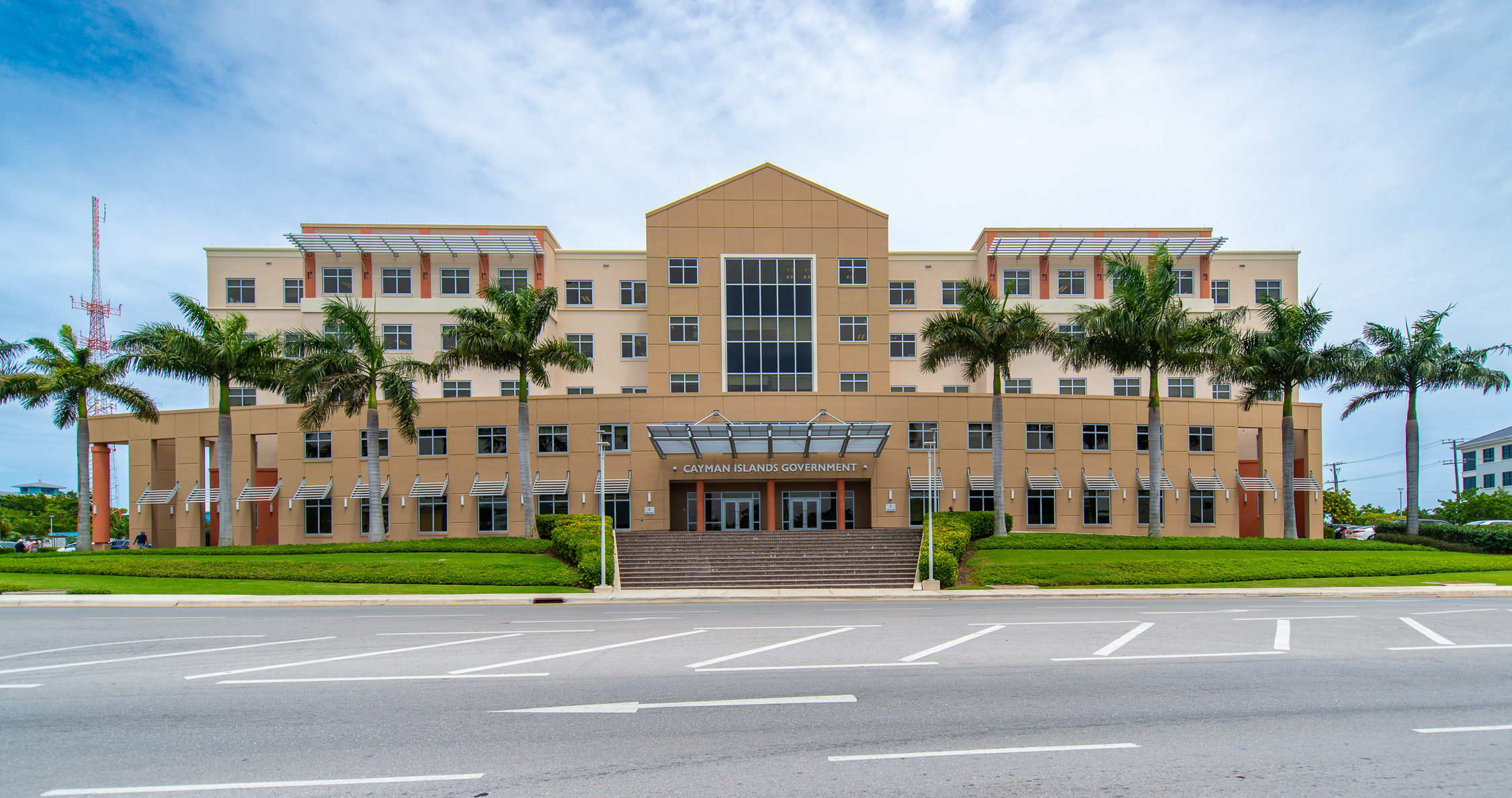 The way we go about governance and supervision in Cayman could do with some improvements. Here are four areas:
Fiscal watchdog
Independent oversight makes for better governance. This will cost some money to staff up, but a fiscal watchdog that can review government policy, curb waste, save money and inform voters on which policies will benefit the country versus the ones that are wasteful, will benefit us all.
Informed citizens and fiscal transparency is something we should strive for, not fear, as it will help policymaking, control costs, and bring more accountability.
This may be a difficult one for politicians to stomach as it keeps the heat and attention on them, but a politician who truly wants what is best for the country should welcome good oversight and governance.
Committees and the appointment process
There are dozens of independent committees in Cayman overseeing all manner of activities, from the airport to employment to the port to the health service. Yet ask yourself the question and honestly consider the answer: Do these committee members earn their seats by merit and expertise, or by favours owed?
If you consider the answer to be the latter, then it’s time for a radical rethink of how committee members are appointed. Let’s introduce a nomination system, vet candidates independently, and then give politicians a shortlist of qualified names. It’s fairer and it builds trust while simultaneously helping to reduce the many apparent conflicts that seem to bedevil our committees in Cayman.
Police service control
Right now, the governor oversees law enforcement. But the governor isn’t elected, doesn’t vote, and doesn’t live with the consequences of policy failure in the same way as an ordinary citizen. The governor lives in a police-protected house and drives in a police-protected vehicle – things uncommon to ordinary citizens.
The current system limits accountability, responsibility, innovation and the responsiveness of the police force to its citizens. Cayman’s elected leaders should be in supervisory charge of the police force. It’s those elected individuals who represent and who are voted for, and they deserve the respect and responsibility that comes with that role. If they fail, they get voted out. If the current system fails, nothing changes. The current system lets down Cayman and its people and is long overdue for a change.
Role of the governor
It may feel as though I am picking on the governor in this article, and apologies to the incumbent (who I have not met and don’t know, and therefore, have no prejudice for or against).
But why should an unelected UK bureaucrat have final say over laws passed by Cayman’s elected government? It’s time for the governor to be removed from Cabinet. Why do democratically elected politicians have to share Cabinet with an unelected British appointee?
Many historical reasons are advanced to explain the history of the origins of this practice without justifying the current ‘why’. History should be something we learn from, not forced to rely upon without question.
The current halfway house is unsatisfactory as it leaves democratically elected representatives with no absolute certainty that they have the power to pass laws they vote for. The concern may be that a government will over-reach or pass a law that’s against international obligations. But that’s precisely what the judicial system is for. If something’s unconstitutional or contrary to legally binding international obligations, it’s the judiciary’s job to decide. It shouldn’t be the job of a royal appointee.
7. Transportation
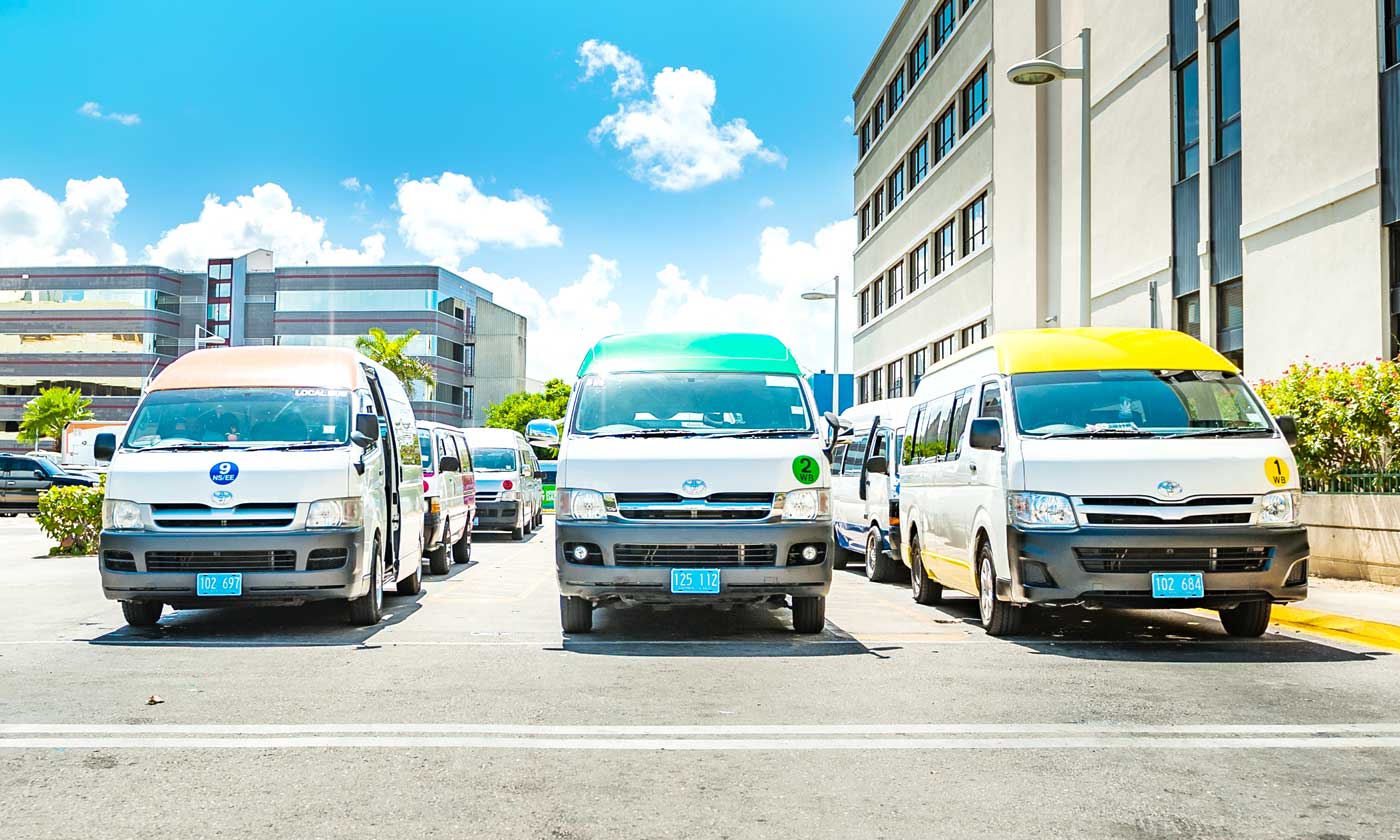 The transportation system in Cayman is, to be polite, sub-optimal. It needs both radical and simple policies. I wrote a Compass column about this in 2024 (‘Cayman’s transportation disorder‘), but let me summarise my key priorities.
First off, let’s fix the bus system. Let’s tender for a proper national bus network that runs from 6am to midnight, six days a week, and 7am to 7pm on Sundays. Add air-conditioned stop areas, retail hubs and park-and-ride locations. Suddenly the prospects of taking a bus become more practical. It’s simply naïve to presume or expect that people will leave the comfort of a car unless the alternative is compelling.
This on its own won’t motivate people to give up their vehicles, so additional measures will be needed.
The first is that we should introduce a drop-off fee for parents who take their kids to school, as well as requiring all schools to run buses for children. Instantly, more kids would take the bus and hundreds of cars, at peak hours, would be taken off the roads.
The second is, of course, the horror of a congestion charge. Everyone hates them, from Londoners to New Yorkers – until, that is, they find that they work. A peak-hour congestion charge that excludes buses would reduce traffic, reduce pollution and help raise revenue to provide funding towards a nationwide bus network (a veritable virtuous circle).
8. Reform the tax system
 Cayman currently pays subsidies to the wealthy at the expense of the poor – a statement that is both bafflingly incomprehensible and yet 100% true. Why on Earth would any country tax its poorest citizens more than its wealthiest? Yet Cayman does, and it does it through import duty concessions and rates (see Compass column ‘Can taxation be a force for good?‘).
Does Cayman really need to offer import duty concessions to wealthy developers? Is Cayman lacking for development opportunities or development capital? The evidence with all the cranes and building work would suggest not.
Some may argue that concessions should be offered for low-income housing or similar ventures, and it’s true that we should want to encourage construction there, but are concessions the right tool? They are certainly the easiest tool, and that perhaps explains their use, but targeted loan guarantees or financial support guarantees might be better economic tools to achieve a desired outcome, while costing less and being less economically distortive.
As well as construction concessions, my main grievance is with car-import tax rates. While undoubtedly well-intentioned in theory, the rationale behind having a zero rate on electric cars and 30% (or higher) on combustion engine cars is ridiculous. Only the wealthy can afford an electric car (costing as they do in the multiple tens of thousands, and much more than a small combustion engine car). And yet the wealthy pay zero tax on them. Let’s scrap that absurdity. Let’s tax cars based on value rather than engine type.
Lest people cry environmental tears, let’s just be honest and accept that there are better ways to save the planet or reduce pollution than through import duties. Congestion charges or carbon prices would work far more efficiently.
The car tax peculiarity is just one of many absurdities in Cayman’s import tax system. I am sure at the time, the people setting the tax rates had a good reason why. But the current import duty system is complex, stretching, as it does, to an unpleasant 232 pages, and is the opposite of user friendly, consuming many hours of time for importers. Simplicity and transparency would be far better.
A commission should be formed to overhaul the tax system to deliver efficiency and sense. Start perhaps with three rates: 0%, 30% and 100%. Then decide, from scratch, what should be eligible for the zero or deserving of the 100%. Perhaps a fourth or a fifth rate might be necessary. Fine, but use them sparingly.
The best tax system is one that is simple and easy to comprehend. Cayman’s is hardly that.
9. Minimum wage
 Cayman’s minimum wage, for those without gratuities, isn’t remotely adequate, given the cost of living in Cayman. This isn’t an appeal for redistribution or socialism – quite the opposite. Raising wages lifts people out of poverty, which, in and of itself, is a worthy political goal. But raising minimum wages can also stimulate economies.
Historically, the economics profession argued that higher minimum wages caused unemployment. Curiously though, the evidence from countries that introduced such policies in the last 30-40 years hasn’t supported that contention. As a result, economists have been forced to recalibrate their models and working assumptions.
The commonly accepted perspective now is that if a minimum wage is sensibly priced, it can, in fact, raise spending by those on low incomes, thereby boosting activity at shops. Lower-income people generally have very low savings rates (because they don’t earn enough to save). Therefore, increasing their income generally results in increased consumption (for the technically inclined, the low income population has high marginal propensities to consume).
The key is doing it sensibly. An increased minimum wage, of course, will raise costs for some industries. In many cases, however, especially in Cayman, it is reasonable to expect that those costs can be passed on to consumers.
Take the security industry, for example. Homeowners in gated communities can likely afford a few extra dollars an hour for their security. The same goes for banks and other large organisations. Yes, the effect will be somewhat redistributive, but in a progressive way, unlike Cayman’s current regressive tax system. That redistribution could boost domestic spending, thereby benefiting local shopkeepers and retailers.
What should be done? The minimum wage probably needs to be increased by at least 50% to help drag people out of poverty. After that, it should be linked to the higher of the rate of inflation or the rate of average incomes. The minimum wage, set sensibly, can help alleviate social issues and reduce poverty. It can also raise economic output. It’s time to move this conversation proactively forward and make it happen – rather than continuing to ignore well-researched recommendations that have been laid out (but then shelved) already.
10. Voting system
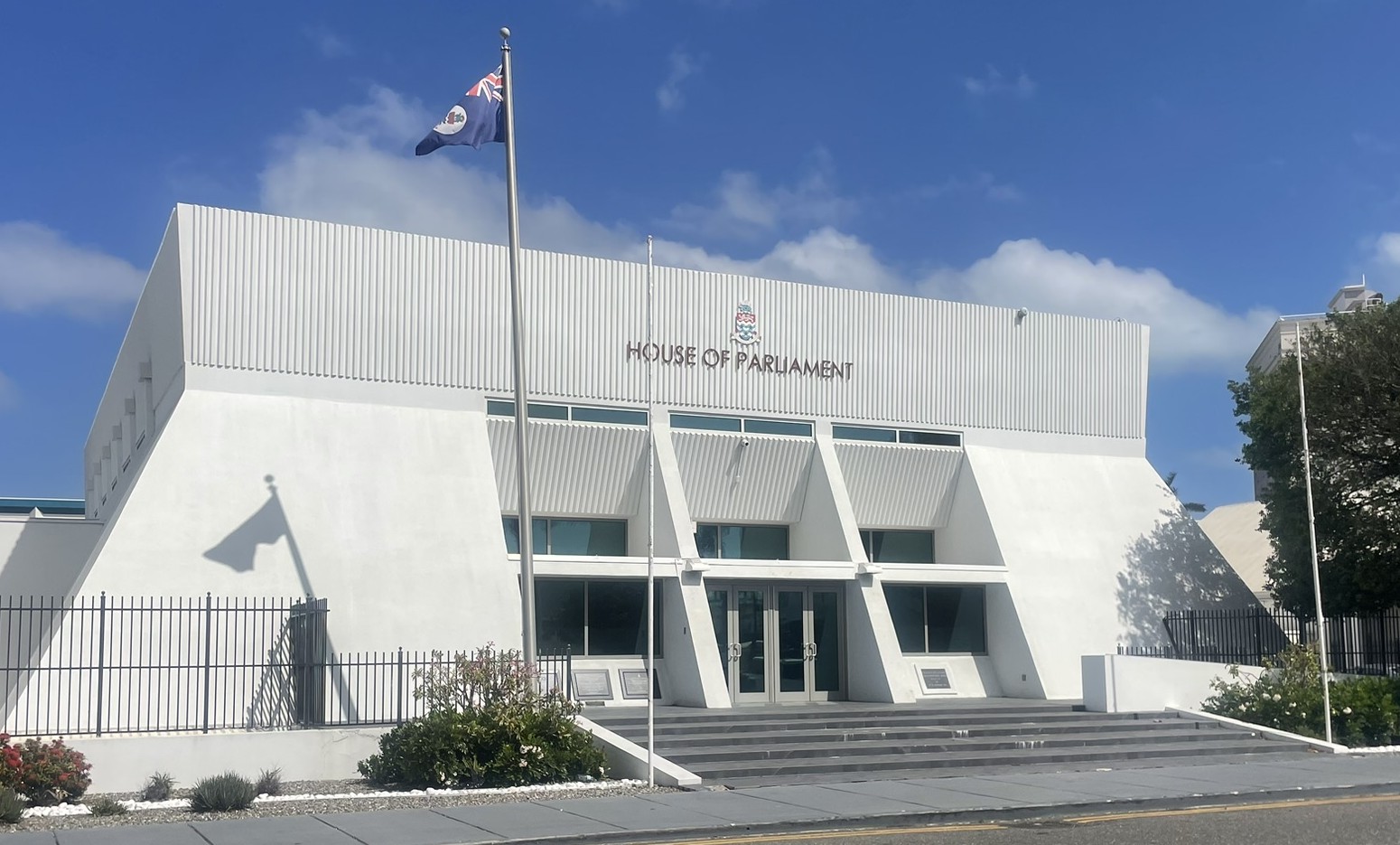 There’s a lot that could be said, and I have mentioned a bit of this before (Opinion: Cayman’s democratic deficit), but let me focus on three points:
Residency requirement
In a representative democracy, isn’t it slightly peculiar that candidates don’t have to live in the district they are supposed to represent? Might the law be changed in this regard to the benefit of the system?
Elect government head or politicians on a national mandate
The current system really gives no one a clear mandate and, in fact, actively disincentivises parties from presenting wide-ranging national manifestos for the country. Instead, the focus is often on local problems. Not to dismiss those at all, but it’s arguable that we need more thoughtful national policies, and electing a head of government, or politicians nationally, might improve matters, as well as encourage a broader group of society to stand for election.
Hire expert ministers
Allow the head of government to appoint qualified, paid, unelected ministers to run complex departments – subject to elected representative oversight and monitoring. This happens in the United States and other countries, so isn’t uncommon.
Changes to the voting system come with challenges, and perhaps there’s a better solution than the one presented. But Cayman, an island of almost 80,000 people, has far too many politicians who lack national policies and perspectives. If you don’t like these ideas, at least support the idea of a commission to discuss sensible reform of our electoral system.
Not everyone will agree with all, or even some, of these proposals – and that’s exactly the point. Cayman needs spirited debate, rigorous critique, and bold pressure-tested ideas. In other countries with think tanks and research foundations, ideas are sharpened before they’re implemented. We don’t have that infrastructure here – and we should.
For those thinking about their legacy, why not help build such infrastructure? Funding the creation of an independent, non-partisan research foundation – even with just a few million dollars – could spark a wave of policy idea generation and transform Cayman for generations to come. Want to be the first to support such a Cayman legacy?
The best policies aren’t born perfect. They are debated, challenged, costed and continuously improved upon. So, go ahead, stress-test these ideas. Beat them up and critique them. Share your views. Cayman will be better for it.
And if any of these ideas resonate, why not raise them with the people asking for your vote? Ask them where they stand. Ask what they’d do instead. Let’s move beyond slogans and start to demand substantive ideas.
Simon Cawdery, CFA, is an investment manager and governance professional who lives and works in the Cayman Islands. He writes regularly for the Compass.