


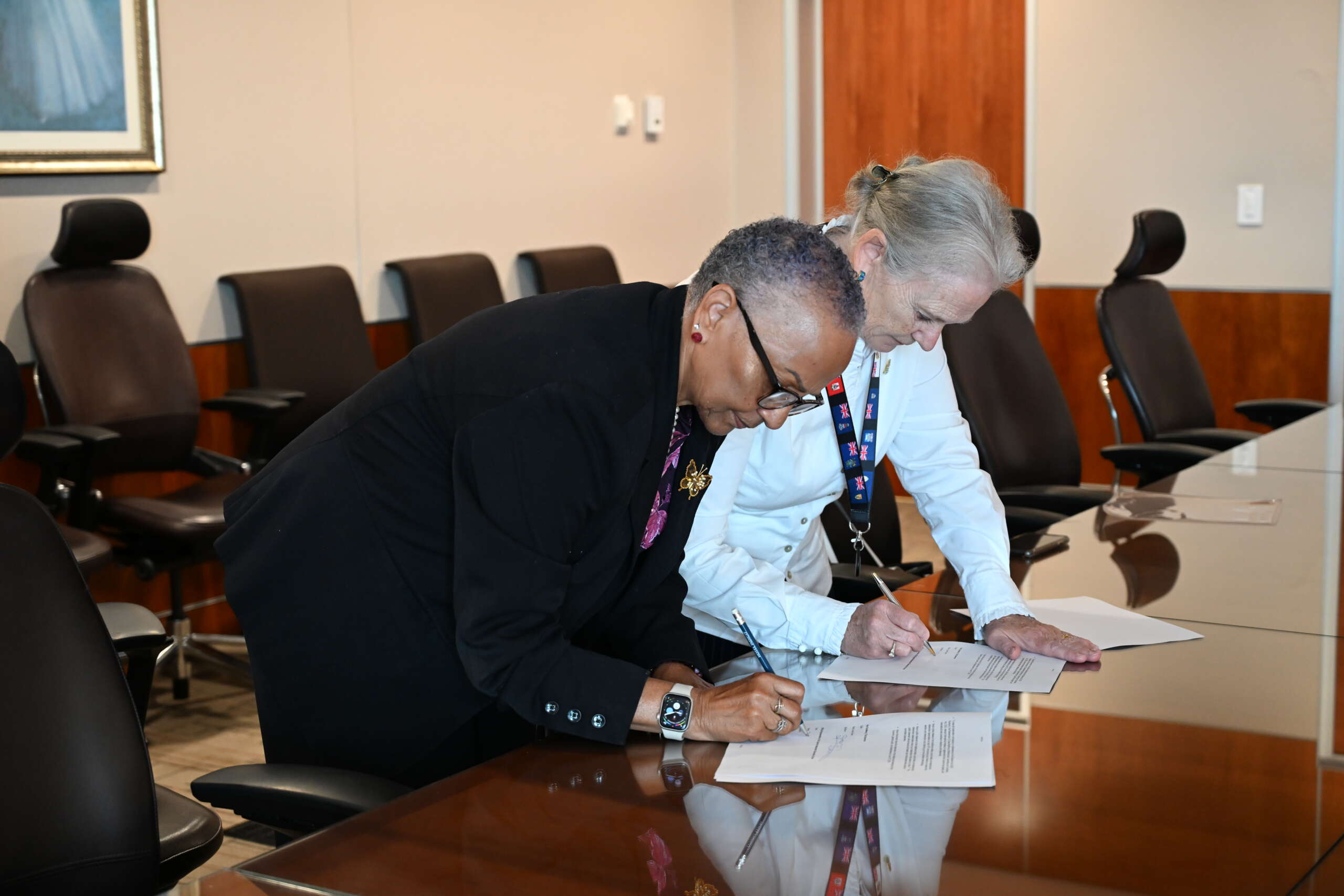
A team of domestic election observers said on Friday they found no evidence of “systematic” vote buying – but said that incidents of “treating” were logged.
A report by the team, who observed the general election in tandem with a group from the Commonwealth Parliamentary Association, said, “Isolated incidents of treating were noted at some rallies, but did not constitute direct vote buying.”
They added that “community and familial pressures” to vote for particular candidates had been observed, but that it was not widespread.
The domestic observers said their recommendations included “reinforcing public education against electoral inducements and clarifying the legal definition of ‘treating’ “.
They said concerns had been raised in the media about “alleged inappropriate candidate behaviour at polling stations and details regarding the transport and handling of ballot boxes in specific electoral districts.
The report added, “While no observations were made by domestic observers on these matters, we recommend that the Elections Office consider reviewing these reports to determine their validity and whether further investigation or clarification is warranted.”
The team, led by Deborah Ebanks, said that candidate campaign spending remained capped at $140,000 and that the deadline for declarations was 4 June.
The preliminary report added, “All events were peaceful and conducted without interference.
‘Passionate rhetoric’
“Campaign topics commonly included economic development, cost of living, immigration and infrastructure.”
It said that referendum rallies featured “particularly passionate rhetoric”.
The report said the domestic observers found “no credible evidence of misuse of public resources” and that the rallies had “contributed positively” to the political process.
But it added, “there were noted gaps in public education and informational resources regarding the referendum questions, particularly those related to the national lottery and cannabis, highlighting the need for more structured outreach in future referendums”.
The report highlighted that the Elections Act imposed restrictions on political advertising and broadcasting on polling day, but that social media was not covered.
The report said, “Observers noted a significant volume of partisan content on social media platforms during the blackout period, highlighting a gap not addressed by the Elections Act (2022 revision).
“No major violations involving traditional media were observed.”
Mobile voting
The team added that mobile voting included “stationary” and “static” methods and that stationary voting enabled voters unable to attend a polling station on Election Day to cast their ballots in advance.
Static voting involved people who were unable to attend the polls, so election staff visited them at home.
The report said, “We recommend special considerations for static voting be included for the hospitalised, immunocompromised, and geriatric electors.”
The team explained that caregivers and electors could be “uncomfortable” with “an influx of people” to their homes and that “alternate polling arrangements or sanitisation processes should be in place for those who are immunocompromised or at a high-risk of infection”.
The team – in line with the international Commonwealth Parliamentary Association observers – praised the “detailed and professional” work of polling station staff.
Review list of electors
But the report said, “Observations were made that electors’ addresses were not accurate or updated. It was apparent that there is a misconception among electors on how the update process works.
“We recommend that a clean-up campaign be held to update electors’ addresses and assigned electoral districts.
“A complete review of the registered voters list should be prioritised before the next general election.”
The report added that standardised procedures and “clearly defined responsibilities” should be drawn up and implemented across all polling stations in the future.
The team said access for the disabled was generally good, but that concerns had been raised about the distance from available parking to the polling stations.
The report added, “We recommend improved signage and the development of a parking plan to enhance accessibility and improve the overall experience for electors.”
The team said that the electorate was “not required to vote on both the candidate selection and all referendum questions; if the candidate portion or an individual referendum question was left blank, that specific selection was considered ‘rejected’ during the counting process”.
The report highlighted that three postal votes had been found in the ballot box in the wrong constituency.
The team said, “We recommend a thorough review of the postal ballot receipt and handling procedures to ensure accurate labelling and the correct placement of ballots into their designated boxes.”