


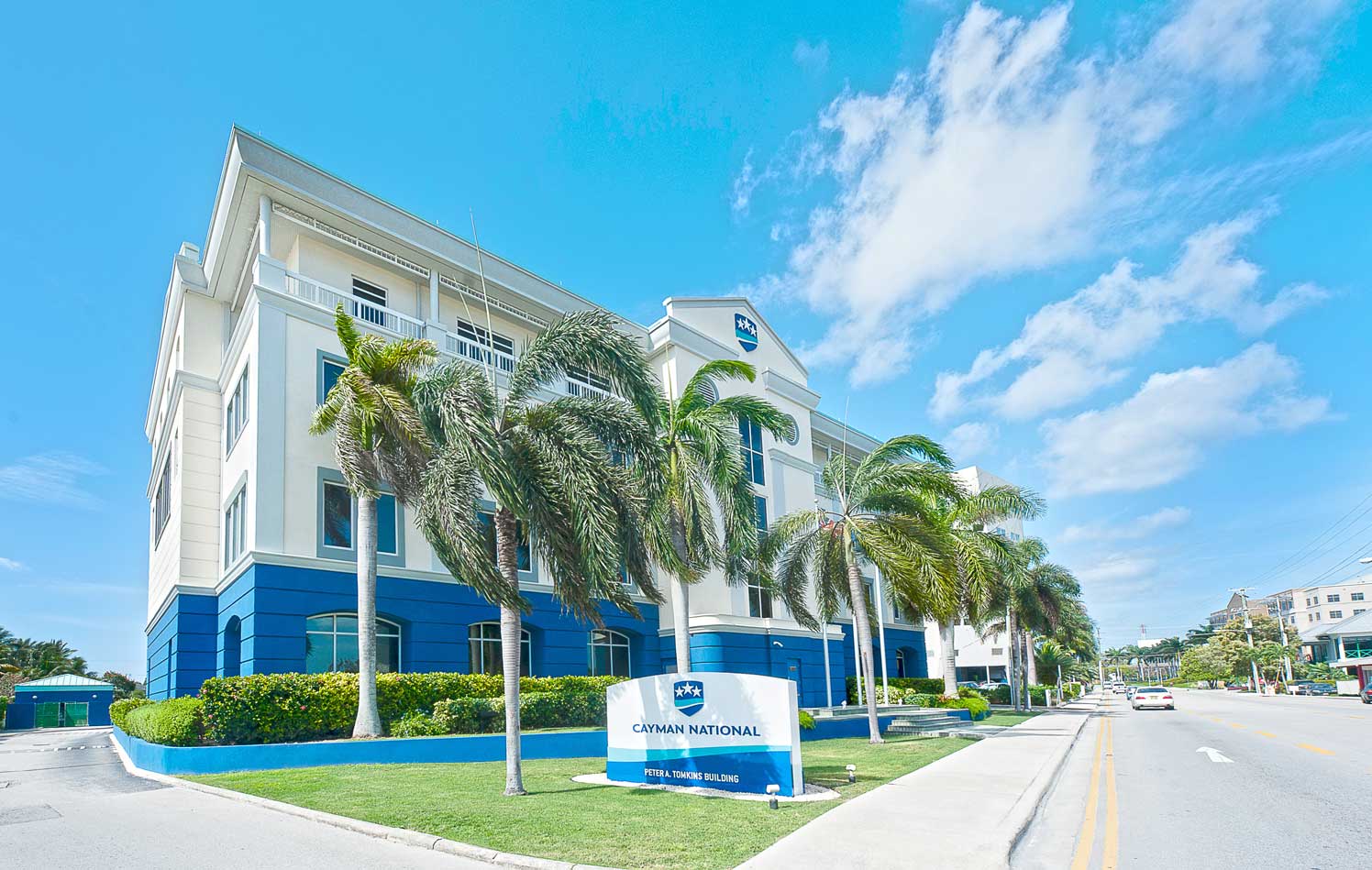
A ‘Big Four’ financial services firm has said the offer of US$7.75 per share from Republic Bank Trinidad and Tobago (Barbados) Ltd to buy out Cayman National Bank is “inadequate”.
KPMG delivered its verdict on the US$82 million deal after parent company Cayman National Corporation asked the firm to give a “fairness opinion” on the bid by Republic Bank, a subsidiary of Trinidad-based Republic Financial Holdings Ltd.
The Bahamas office of KPMG, which carried out the review, said, “KPMG is of the opinion that, as of the opinion date, the consideration under the offer is inadequate from a financial point of view to the offerees.”
Cayman National added in a directors’ circular to affected shareholders, “While the offer price offers certainty, it is arguably not compelling.”
The Cayman bank said that the trading price of shares had ranged between US$4.75 to US$9.95 over the past two years.
The offer for the outstanding 10.59 million ordinary shares is a premium of about US$0.85 on the bank’s share price on 14 May, the last trading day before the deal was proposed.
The news came as a split over the offer was revealed to have opened among directors of the Cayman bank, which is already almost 75% owned by Republic Financial Holdings Ltd.
Five of the directors signalled they would sell part of their shareholding, but three, including the biggest individual shareholder on the board, prominent Cayman businessman Clarence Flowers Jr., have rejected the offer.
Directors of the bank have to hold at least 999 shares to retain their seats on the board.
Two directors, Nigel Baptiste, also the CEO and president of the Republic group, and Richard Sammy, agreed to sell 131 of their shares each, which would leave them with the 999 minimum required to retain a seat on the board.
Republic Bank said it would continue the business of Cayman National and retain the present board. It pledged that the board would continue to have a majority of Caymanians “at all times”.
Republic Bank also plans to delist Cayman National Corporation from the Cayman Islands Stock Exchange.
The directors’ circular on the takeover bid outlined this intention among the pros and cons of the offer for shareholders.
It told shareholders, “If the offer becomes unconditional in all respects, the offeror has stated that it intends to delist Cayman National from the CSX (Cayman Islands Stock Exchange) following conclusion of the offer.
“As a result, the level of liquidity is likely to further reduce, making it more difficult to sell your shares in future.”
The offer was conditional on the acquisition of between 13,035 and 10.59 million shares, which represented 0.03% and 25.02% of the issued share capital of CNC.
Republic said earlier this month that it had achieved acceptance of 39,300 shares, which also gave the bidder a proxy on the votes in a delisting resolution to be put to an extraordinary general meeting of CNC.
It added that compulsory acquisition of shares was possible after the acceptance threshold was reached.
It also said a better offer could be made from a third party, or the Trinidad bank could up its offer, but that there had been no developments on either.
The circular added that, because the shares were at present listed on a recognised stock exchange, tax did not have to paid on transfers, but that the exemption would not apply after delisting.
No brokerage fees of other transaction costs would be levied if shareholders accepted the offer, but would be if they sold them on the Cayman exchange during the offer period.
Cayman National Corporation added that people may wish to retain their shares in the hope of potential future growth and that shareholders might believe there is additional earnings potential from future dividends.
Shareholders have until 5pm on 29 July to accept Republic’s offer.
Cayman National Bank was founded in the Cayman Islands in 1974.
Republic Financial Holdings Ltd. is involved in retail and commercial banking, wealth management, investment banking and trust services. It also has interests in offshore banking and insurance and operates in 15 jurisdictions, including Anguilla, Dominica, Ghana, Grenada, Guyana, Saint Vincent and the Grenadines and the British Virgin Islands.