


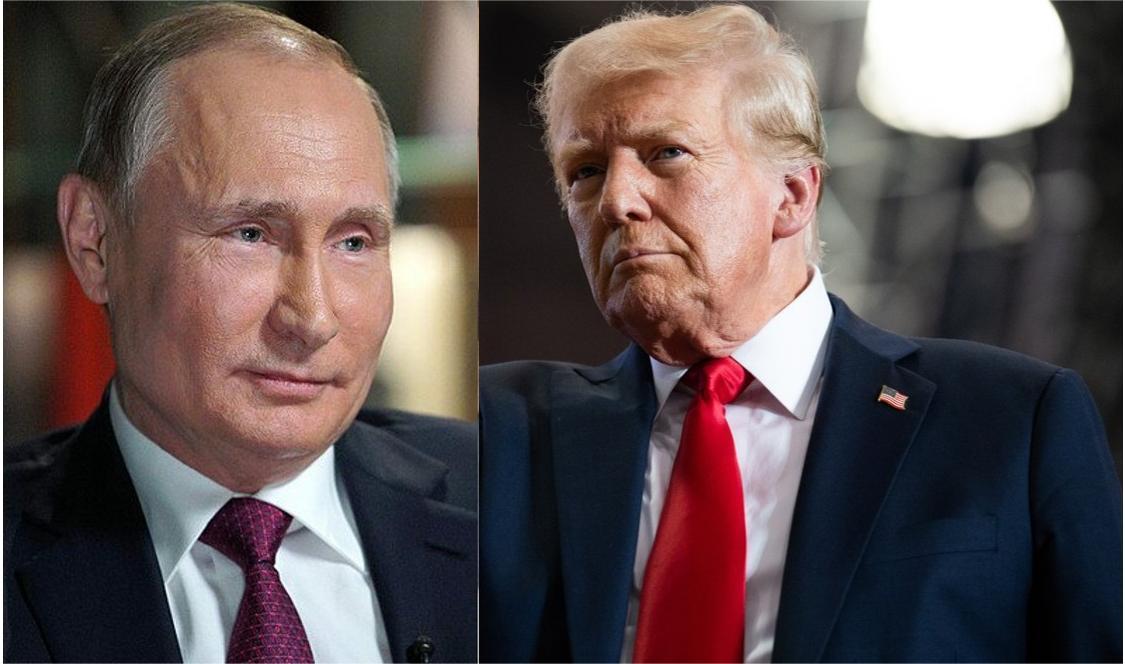

The highly-anticipated summit between U.S. President Donald Trump and Russian President Vladimir Putin concluded on August 15, 2025, in Anchorage, Alaska, without a formal ceasefire or peace agreement, dashing hopes for a breakthrough in the war in Ukraine. Held at Joint Base Elmendorf-Richardson, the three-hour meeting brought together senior officials from both sides, including U.S. Secretary of State Marco Rubio, Special Envoy Steve Witkoff, Russian Foreign Minister Sergei Lavrov, and Kremlin aide Yuri Ushakov. Despite intense speculation and global pressure, the talks ended with no concrete resolution, and a planned joint dinner was abruptly canceled. The leaders appeared briefly before the press but declined to take questions, signaling the sensitive and unresolved nature of the discussions.
President Trump acknowledged the lack of progress, stating, “There’s no deal until there’s a deal,” while Putin claimed an “understanding” had been reached and praised Trump’s diplomatic style. However, Putin also issued a warning against European “provocations,” suggesting continued tensions with NATO and EU member states.
The absence of Ukrainian President Volodymyr Zelenskyy from the summit drew sharp criticism from Kyiv and European capitals, with many viewing it as a troubling sign that Ukraine’s fate was being negotiated without its direct involvement. Zelenskyy responded firmly, insisting that any peace must be “lasting, not just another pause between Russian invasions.” He is scheduled to meet with Trump in Washington on Monday, a meeting now seen as pivotal for clarifying U.S. intentions.
NATO’s Supreme Allied Commander Europe, Gen. Alexus Grynkewich, was present at the summit to advise Trump, underscoring the strategic and military stakes involved. Key issues reportedly discussed included potential territorial concessions by Ukraine—an idea Kyiv firmly rejects—and the future of sanctions on Russian oil exports. Trump claimed that India had reduced its imports of Russian oil under U.S. pressure, though Indian officials have disputed that assertion. While the summit did not produce a peace deal, it marked a significant moment in global diplomacy, raising questions about the direction of U.S. foreign policy and the future of the Transatlantic alliance.