


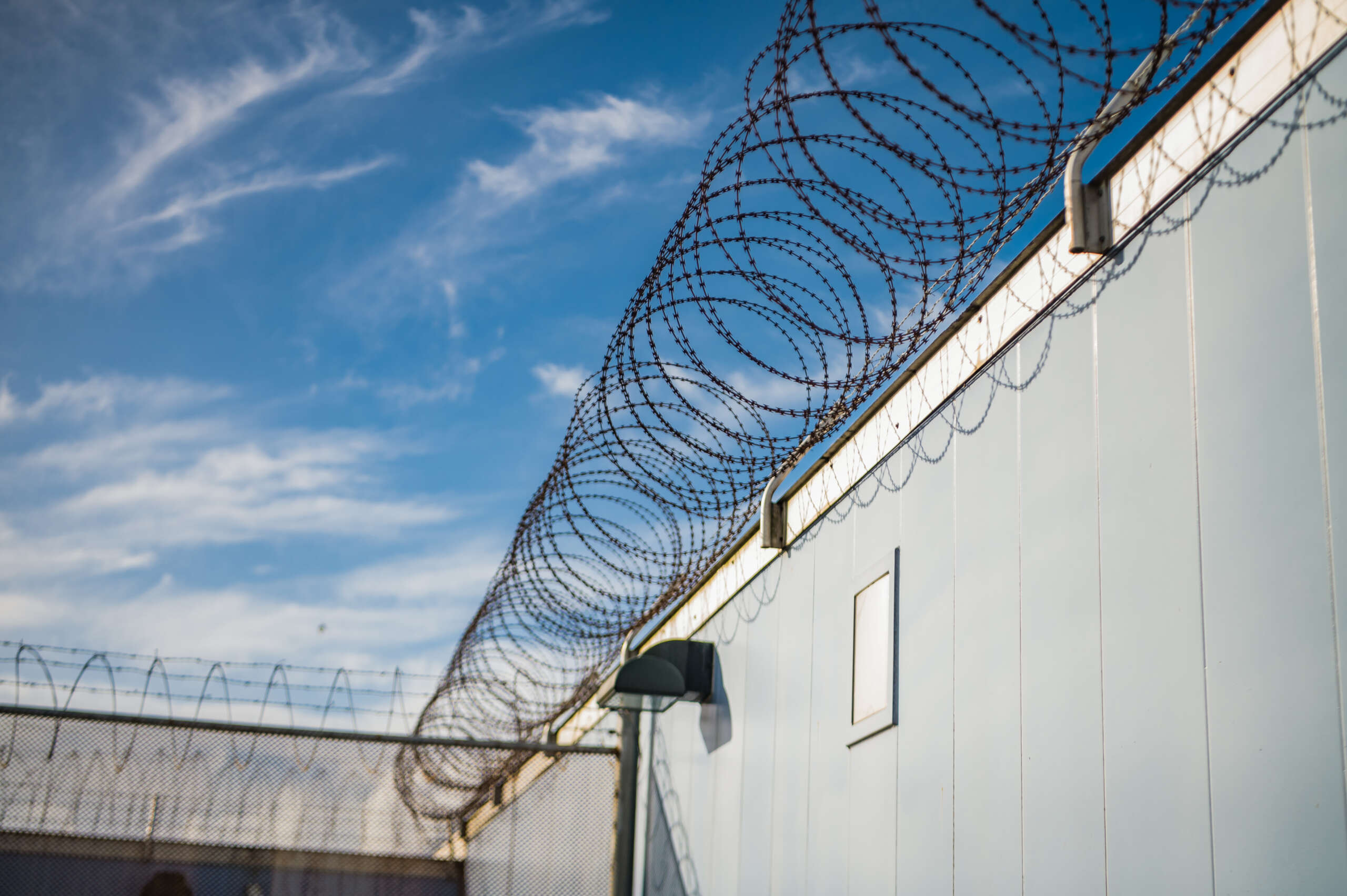
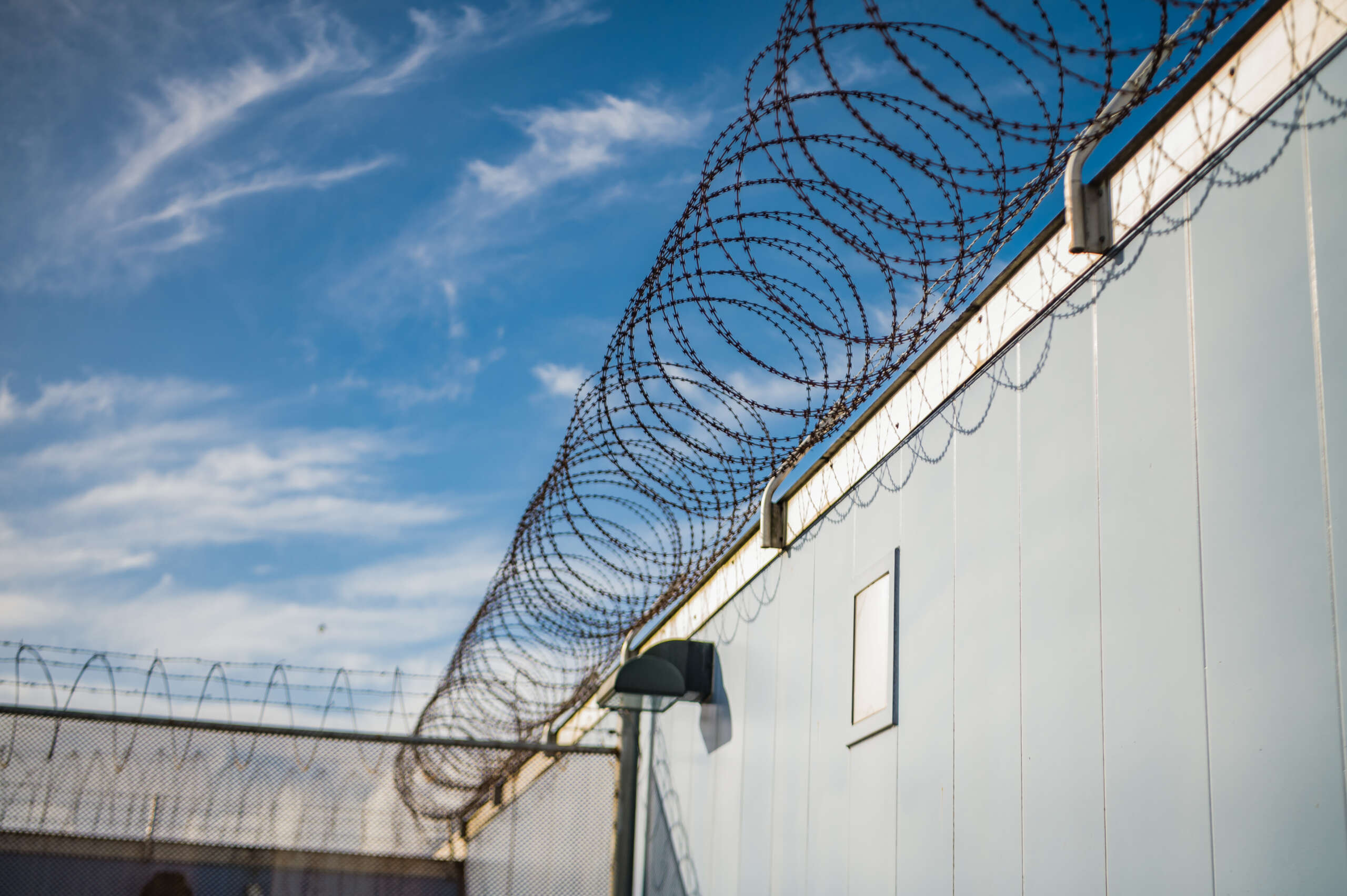
The police detention centre has a fire alarm system that hasn’t worked for years, doors that are left ajar – leading to an escape attempt – and is regularly understaffed, the Office of the Ombudsman has found.
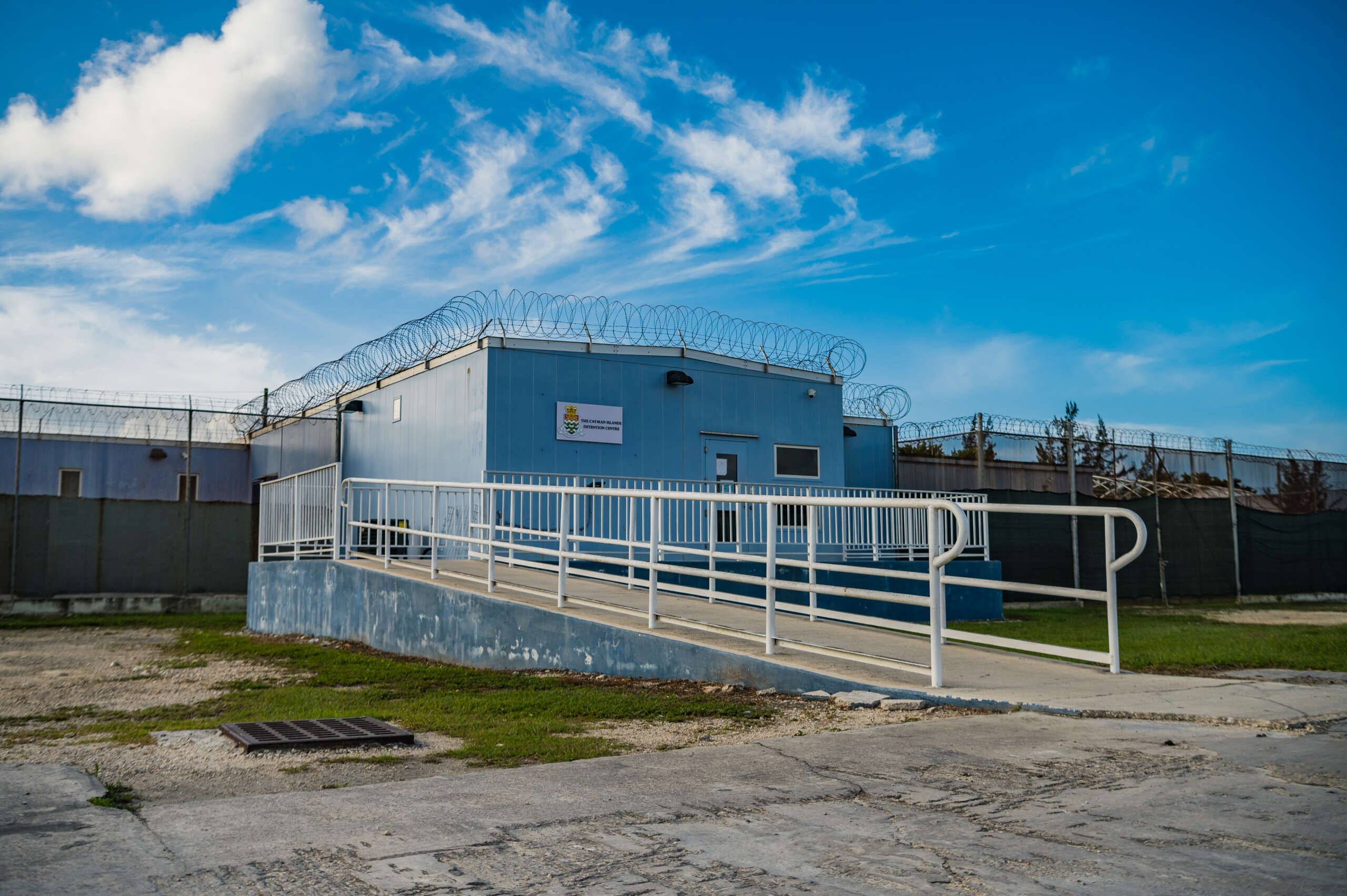
Suspects who are arrested by police or other law enforcement agencies are held temporarily at the Cayman Islands Detention Centre, which is operated by the police service, until they are released, bailed or transferred to another facility.
The Office of the Ombudsman launched its ‘own-motion investigation’ into the facility following complaints it had received about safety issues and drug use at the centre.

Its investigators, who visited the holding centre on Fairbanks Road, George Town, throughout June, “uncovered serious and widespread concerns regarding prisoner safety and health, … deficiencies in security protocols, critical maintenance failures, and troubling gaps in officer training and general well-being”, Ombudsman Sharon Roulstone said in a press release about the findings.
She added that “given the severity and immediacy of these issues”, her office determined that an interim report was necessary ahead of submitting a final report to Parliament.
Roulstone and her team delivered that interim report to Commissioner of Police Kurt Walton and Governor Jane Owen on 21 Aug. Her office published details of that report on Tuesday, 2 Sept., although the full report will not be publicly available until after it is submitted to Parliament.
Fire alarm not working, doors left ajar
The investigators found that the centre’s fire alarm system has not worked for several years, and that “no adequate explanation has been given as to how the fire alarm became nonfunctional and why it was allowed to continue for so many years”.
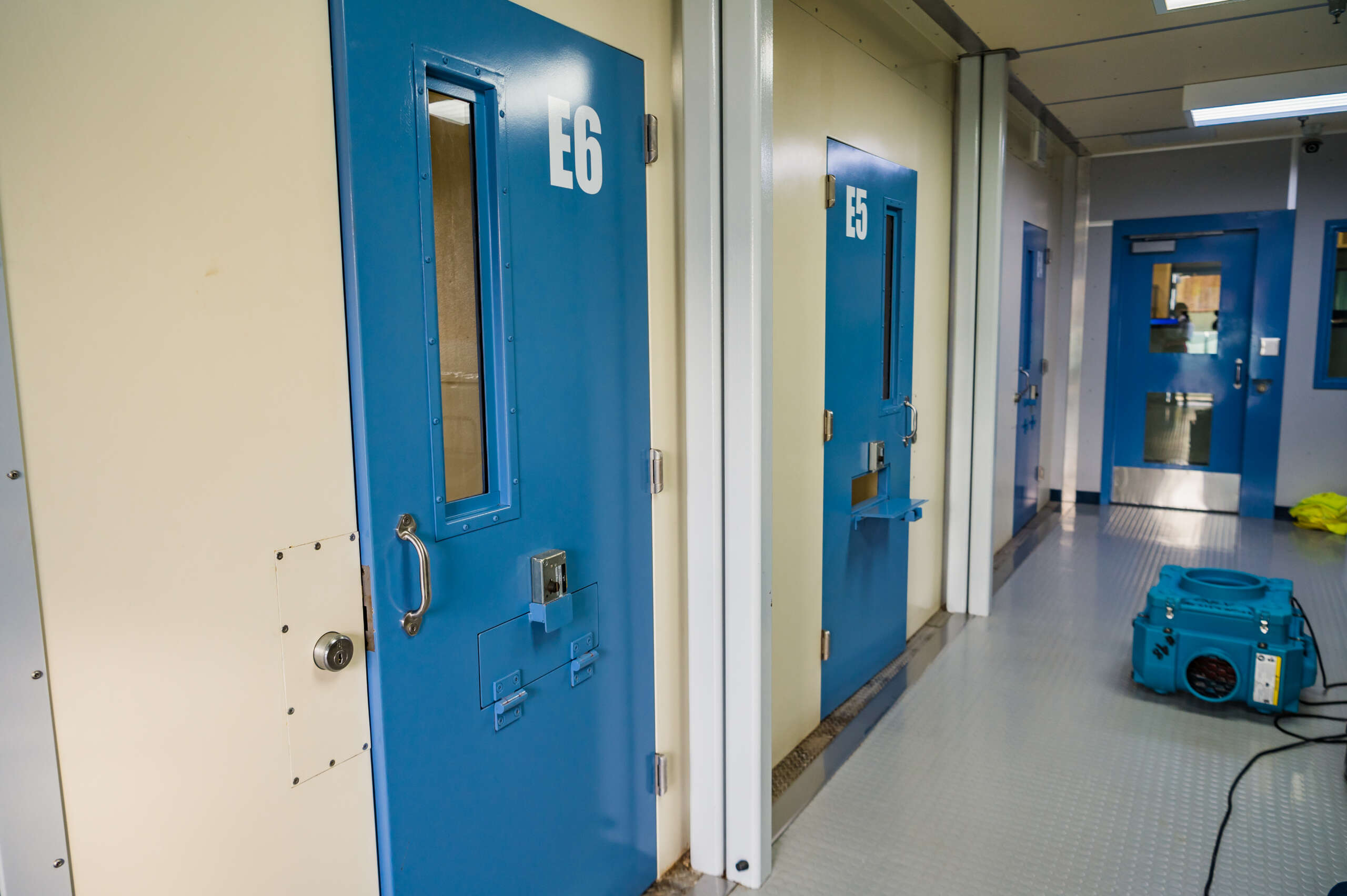
The investigators, during their observations at the facility, noted that internal security doors were “routinely” left ajar, creating a significant security risk.
There was also some evidence to suggest that external doors have been left ajar, “inadvertently facilitating a prisoner’s attempted escape” in 2022. The release stated that a report on that incident had been obtained from police, but the matter is still being reviewed as part of the Ombudsman’s investigation.
The report found that there is no way for police officers to enter the building to provide assistance if officers inside lose control of the facility.
“This matter is also being addressed with urgency,” after being highlighted in the interim report, the release noted.
Although the centre has a policy regarding the transport and care of injured or sick detainees, the investigators noted that this policy lacks clarity regarding which RCIPS unit is responsible for escort duties. The investigators referred to an unspecified incident with a prisoner, which highlighted “a serious communication failure” between the police and the Health Services Authority, “posing operational and security risks”.
The investigators reported also that damage to one of the cells at the detention centre had gone unrepaired for more than two months, leaving it out of service, and that police appear to be largely unaware of how this damage occurred.
They noted that there were “blind spots” within the centre, “causing potential risk for both police officers, detainees and visitors”.
Staffing issues
The findings also indicated that the facility is not meeting its own recommended minimum staffing levels on a regular basis, and that officers routinely work over their normal shift time to complete paperwork. The report noted that sergeants, in particular, at the detention centre “may face health risks due to excessive workload and/or stress”.
The interim report pointed out that the facility is not employing female auxiliary constables on each shift due to difficulty in recruiting and those volunteer officers being deployed elsewhere within the RCIPS. It noted that not all the auxiliary constables working at the centre were up to date on training, that they did not have access to some specialised training methods, and that some long-serving auxiliary constables at the centre had complained of added stress or health effects.
The report stated that while a training programme has been proposed for the centre’s personnel, as well as a possible plan for other officers to learn about custody policing, no schedule has been set for this.
After submitting her report and recommendations, Roulstone has asked the police commissioner to respond within the next three months.
Recommendations
“Some issues, considered critical to public safety or health, were given an immediate time frame for implementation. Our office will be monitoring the recommendations going forward,” Roulstone said.
Those recommendations include:
• Clarifying escort responsibilities for medical transport.
• Strengthening communication between RCIPS and the Health Services Authority.
• Restoring and certifying the fire alarm system.
• Addressing security door protocols and escape risk.
• Establishing emergency access protocol.
• Improving facility maintenance and incident reporting.
• Eliminating surveillance blind spots.
• Addressing chronic understaffing.
• Improving gender representation among auxiliary constables.
• Mitigating overwork and stress
• Limiting long-term assignments.
• Enhancing training access and compliance.
• Implementing custody policing training programme.
Police response

In response to the report, Walton said work to address the fire alarm and sprinkler systems issue “is in the advanced stages and has been ongoing for months, with 95% of essential repairs now completed”.
He added that an internal oversight body, led by a senior officer, will be assigned to address the findings and recommendations, with a progress report to follow.
“We remain fully committed to maintaining the highest professional, constitutional, and statutory standards in the care of persons who come into our custody, while ensuring a safe work environment for our staff,” he said.