


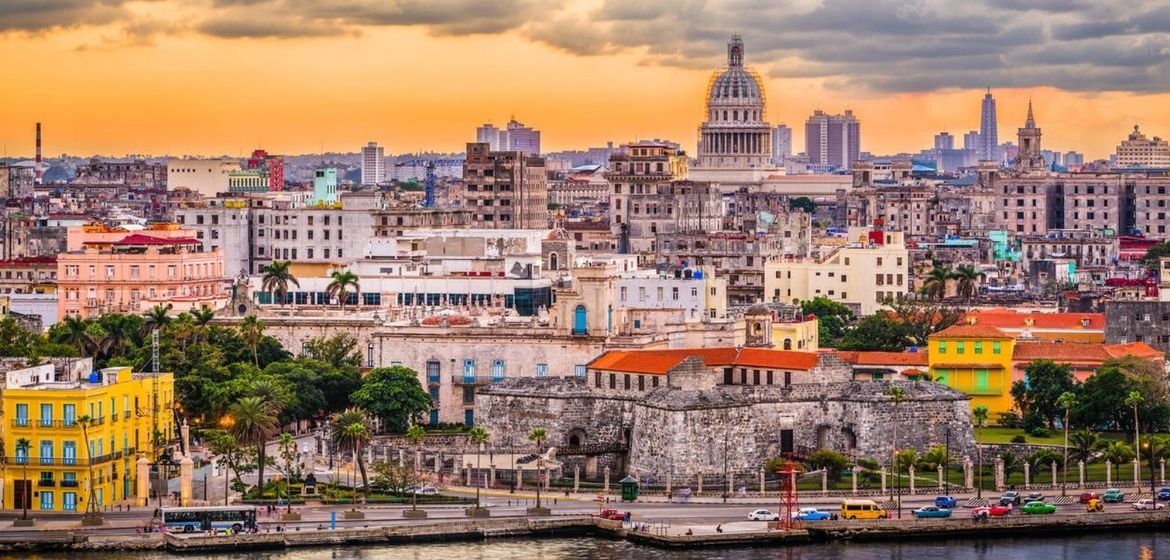
When most people think of the Caribbean, they imagine tropical beaches and palm trees. But did you know that the 10 Caribbean islands are also home to some of the most densely populated cities in the world? These cities, though often overlooked, are bustling metropolises with thriving economies, rich cultural histories, and growing populations. From towering skylines to vibrant cultural hubs, the 10 populated Caribbean cities are far more than just beach resorts.
In this post, we’re going to take a deep dive into the Top 10 Most Populated Cities in the Caribbean, uncovering their unique histories, industries, and what makes them stand out. Let’s get started!
In this video, we explore the Top 10 Most Populated Cities in the Caribbean, showcasing vibrant urban centers beyond the beaches. From Holguin in Cuba, with its colonial history and modern trade industries, to Camaguey and its labyrinthine streets, these cities offer rich cultural heritage and diverse populations. We also visit Santiago de Cuba, the birthplace of the Cuban Revolution, Port of Spain in Trinidad & Tobago, known for its carnival, and Kingston, Jamaica, a city of contrasts. Other cities like Santiago de los Caballeros, Havana, and San Juan highlight the region’s unique blend of colonial and modern influences. At the top, Santo Domingo, the oldest European settlement in the Americas, stands as a key economic hub in the Caribbean.
10. Holguín, Cuba
Population | Region |
| 303,000 | Eastern Cuba |
 Holguín is a city with a rich history that dates back to the 16th century. Originally established as a settlement in 1523, it was named after Captain Francisco Garcia Holguin, a military officer under conquistador Diego Velázquez de Cuellar. Known for its fertile plains, Holguín became a key site in Cuba’s struggle for independence, especially during the Ten Years’ War and the 1895-98 war for independence.
Today, Holguín is an economic powerhouse in Cuba, focused on industries such as cigar production, ceramics, shoes, and furniture. It’s also a significant hub for sugar refining and meat processing. The city’s Gibara port, often called “La Villa Blanca” (The White Town), is a major center of commerce and tourism. Holguín’s historical colonial structures, like Villa de Gibara, are a draw for visitors. Beyond its urban center, the province is a popular tourist destination with beaches, forests, and national parks.
9. Camagüey, Cuba
Population | Region |
| 333,000 | Central Cuba |
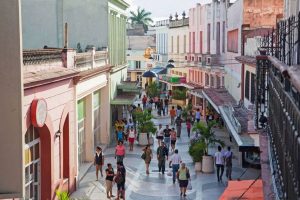 Founded in 1514, Camagüey is one of Cuba’s oldest cities. After being destroyed by pirates, it was moved inland in 1528 to its present location. The city’s unique layout—designed in a maze-like pattern—was created to confuse future invaders, making it a fascinating destination for tourists. The winding streets and narrow alleys open up to beautiful colonial squares and Baroque churches.
Camagüey is a cultural gem, renowned for its pottery. The tinajo (clay pot), used for capturing rainwater, is a symbol of the city and can be found scattered around its streets. Today, Camagüey thrives on cattle breeding, sugar production, and other agricultural industries, and its population has grown significantly due to migration from rural areas.
8. Santiago de Cuba, Cuba
Population | Region |
| 443,000 | Eastern Cuba |
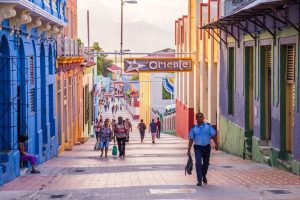 Santiago de Cuba, the second-largest city in Cuba, was founded in 1515 and is known as the birthplace of the Cuban Revolution. It has long been a center for trade, culture, and conflict. The city played a pivotal role in Cuba’s independence movements, and its historical significance is reflected in landmarks like Plaza de la Revolución Square and the Museum of the Clandestine Struggle.
Santiago is also famous for its vibrant music scene, with genres like trova, salsa, and son deeply ingrained in the city’s culture. The Carnaval de Santiago de Cuba is one of the most energetic and colorful festivals in the Caribbean. Today, Santiago de Cuba continues to reflect the country’s diverse cultural and historical influences, with a population representing a mix of African, Spanish, and French heritage.
7. Port of Spain, Trinidad & Tobago
Population | Region |
| 546,000 (metro area) | Trinidad Island |
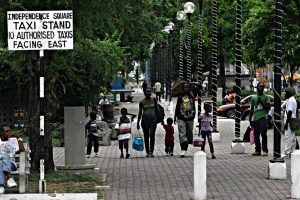 Port of Spain might surprise some with its ranking, as the city’s municipal population is just around 50,000. However, its greater metropolitan area, including surrounding suburbs, brings its population to nearly 546,000. Founded in 1560, the city has grown into the commercial and cultural heart of Trinidad and Tobago.
Port of Spain is best known as the “Carnival Capital of the Caribbean.” Every February, the streets come alive with vibrant parades, energetic dancing, and steel-pan music, drawing thousands of tourists. The city’s population has grown exponentially since the post-WWII period, and it remains a significant financial hub in the region. The city’s Savannah Park serves as a buffer between the commercial downtown and the upscale residential areas to the north.
6. Kingston, Jamaica
Population | Region |
| 1.2 million | Southern Jamaica |
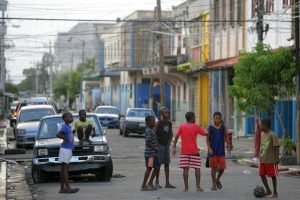 Kingston, the capital of Jamaica, is the island’s largest city, with a population of just under 1.2 million. The city is divided into downtown Kingston, known for its working-class and lower-income families, and the more affluent New Kingston area, which houses Jamaica’s finance and real estate sectors.
Founded in 1693, Kingston quickly grew as the port and administrative center of Jamaica. The city’s rich cultural history is showcased in its music, especially reggae, and is home to the legendary Bob Marley Museum. Despite challenges like high crime rates and pollution, Kingston remains the cultural epicenter of Jamaica, hosting events like the Jamaica Carnival.
5. Santiago de los Caballeros, Dominican Republic
Population | Region |
| 1.2 million | Northern Dominican Republic |
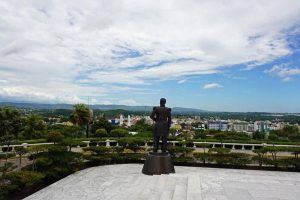 Santiago de los Caballeros, known simply as Santiago, is the second-largest city in the Dominican Republic. It was founded in 1495 and played a key role in the country’s independence movements. The city is located in the fertile Cibao Valley, which has made it a central hub for agriculture, particularly the production of Cibao cigars, rum, and dairy products.
Santiago has a strong industrial and manufacturing base, contributing significantly to the country’s GDP. The city’s economy is bolstered by its diverse industries, while its large middle class enjoys a relatively affordable cost of living compared to the capital, Santo Domingo.
4. Havana, Cuba
Population | Region |
| 2.1 million | Western Cuba |
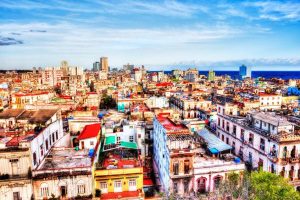 Havana, once called the “Paris of the Caribbean,” is Cuba’s largest city and has a population of over 2.1 million. Founded in 1519, it became a major hub for Spanish colonial powers and quickly grew into an icon of culture, art, and luxury. Before the Cuban Revolution of 1959, Havana was a haven for American tourists, but the socialist policies of Fidel Castro have since reshaped the city’s landscape.
Today, Havana is a city of contradictions: while many colonial-era buildings are in disrepair, others are thriving as cultural and historical landmarks. The city’s Old Havana district, with its cobblestone streets and vibrant murals, is a UNESCO World Heritage Site. Despite its economic challenges, Havana remains a focal point for Cuban culture and a popular destination for tourists.
3. San Juan, Puerto Rico
Population | Region |
| 2.4 million (metro area) | Puerto Rico |
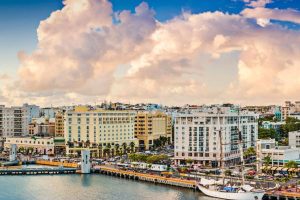 San Juan, the capital of Puerto Rico, has a population of around 2.4 million, making it the largest city in the territory. Founded in 1508, the city’s colonial architecture, particularly in Old San Juan, is renowned for its Spanish, Baroque, and Art Deco styles. The city is a vibrant mix of old-world charm and modern infrastructure, reflecting its dual identity as both a U.S. territory and a Caribbean cultural hub.
San Juan is also a commercial and tourist hotspot, drawing millions each year to its golden beaches, colonial fortresses, and cultural festivals. However, like other Caribbean cities, San Juan faces challenges such as unemployment, migration, and growing debt. Despite these issues, San Juan remains a major center for culture, business, and tourism.
2. Port-au-Prince, Haiti
Population | Region |
| 3.1 million | Western Hispaniola |
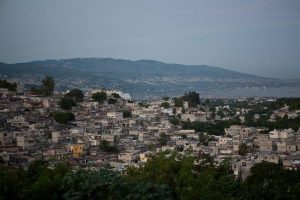 Port-au-Prince is Haiti’s largest city, with a population of around 3.1 million. Its history is marked by colonization, slavery, and revolution. Founded in the late 17th century, Port-au-Prince became the center of Haiti’s struggle for independence. The city’s architecture still reflects its colonial past, with French and Creole influences scattered throughout.
Despite facing significant challenges like poverty, political instability, and the devastation of the 2010 earthquake, Port-au-Prince remains a resilient city. Today, it is the center of Haiti’s economic, political, and cultural activity. However, it also struggles with issues like gang violence, which has plagued the city in recent years.
1. Santo Domingo, Dominican Republic
Population | Region |
| 3.6 million | Southern Dominican Republic |
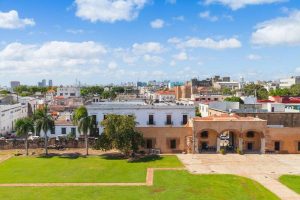 At the top of the list is Santo Domingo, the capital and largest city of the Dominican Republic, with a population of 3.6 million. Founded in 1493, Santo Domingo is the oldest continuously inhabited European settlement in the Americas. The city has served as a strategic location for European expeditions and is home to several “firsts” in the New World, including the first cathedral, hospital, and fortress.
Today, Santo Domingo is a modern metropolis with a vibrant culture, a strong economy, and a rich history. It is a major industrial, financial, and tourism hub, attracting millions of visitors each year. With its historic districts, colonial architecture, and bustling urban life, Santo Domingo continues to shape the future of the Caribbean.
Conclusion
The 10 Caribbean populated cities are far more than just beach destinations. From the bustling streets of Santo Domingo to the historic Havana, each city brings its unique blend of culture, history, and industry to the table. Despite facing challenges like population growth, political instability, and economic struggles, these cities continue to thrive and evolve, shaping the future of the Caribbean.
Which Caribbean city surprised you the most? Drop your thoughts in the comments below!
If you enjoyed this article, don’t forget to share, like, and subscribe to our newsletter stay updated with our content!
1 Comment
Great read! Really highlights the vibrant urban side of the Caribbean beyond just the beaches. The insights into Santo Domingo and Port-au-Prince were especially fascinating. Looking forward to exploring more about these dynamic cities!