


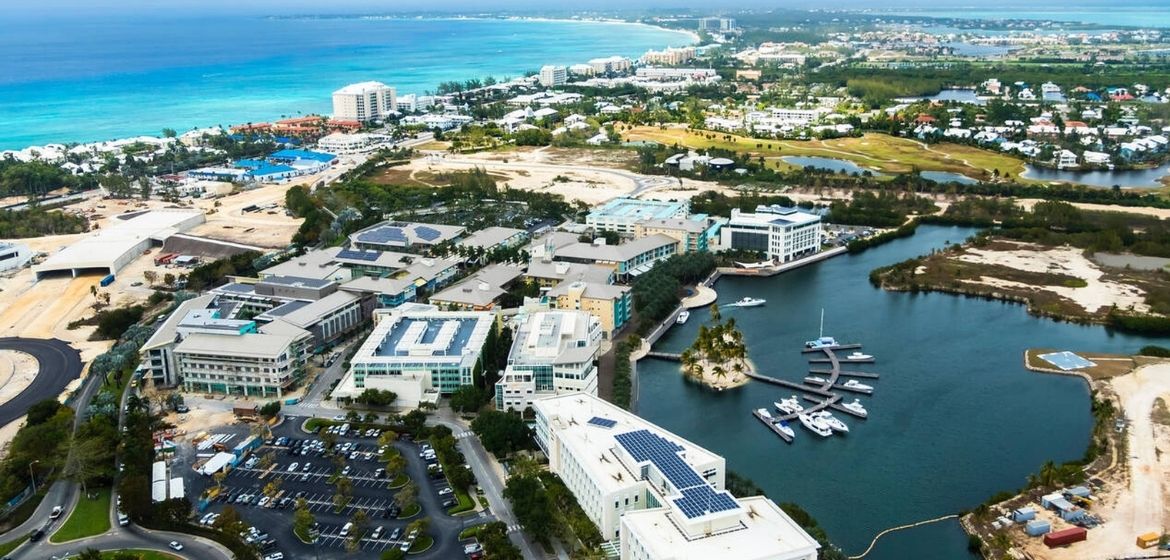
The Caribbean has long been known for its beautiful landscapes, tropical allure, and vibrant culture. But in recent years, it has evolved beyond just a paradise for tourists. The region is increasingly becoming one of the most attractive destinations for investors and high-net-worth individuals. With 45 million people across 30 territories, the 10 wealthiest Caribbean islands are teeming with opportunities, offering dynamic economies and an unmatched appeal for travelers, retirees, and entrepreneurs alike.
Despite ongoing challenges such as poverty—Suriname has the highest rate at 18%—the Caribbean continues to shine as a hotspot for investment. Its growing sectors in oil, gas, and manufacturing, alongside its booming tourism industry, are reshaping the definition of wealth in this region. As we move towards 2025, it’s clear that the Caribbean is becoming a financial powerhouse. In this article, we’ll explore the Top 10 Wealthiest Caribbean Territories of 2025, revealing which islands are leading the charge based on key economic metrics like GDP per capita and purchasing power.
This video delves into the Top 10 Wealthiest Caribbean Territories of 2025, revealing the islands with the highest GDP per capita and purchasing power. The Caribbean, once known primarily for its tourism and tropical allure, is now a booming economic hub. The video examines each territory’s economy, from luxury tourism and offshore financial services in the British Virgin Islands to the oil and gas-driven wealth in Trinidad and Tobago. It highlights the rise of emerging territories like Guyana, with its oil-driven growth, and the financial powerhouse of the Cayman Islands, known for its tax advantages. The video also covers territories like the Bahamas, Puerto Rico, and Sint Maarten, showcasing their appeal to high-net-worth individuals through tourism, real estate, and investment opportunities. The Caribbean is rapidly becoming a symbol of economic opportunity, innovation, and wealth.
Understanding The Metrics Behind Wealth
Before diving into the rankings, it’s essential to understand the criteria we used to determine wealth. The most common metric for assessing wealth is GDP per capita, which divides a country’s total GDP by its population. While GDP per capita provides an average measure of wealth, it doesn’t always reflect the reality on the ground. Take India, for example: despite having the fourth-largest GDP globally, much of its population still faces extreme poverty due to its massive population size.
This is where Purchasing Power Parity (PPP) comes in. PPP adjusts for inflation, living standards, and the cost of living, providing a more accurate view of the average individual’s purchasing power. However, even with PPP, GDP per capita can still be misleading. For example, Qatar boasts a very high GDP per capita but faces issues with the treatment of migrant workers. Therefore, in addition to GDP per capita and PPP, we also consider other metrics like the Gini coefficient (which measures income inequality) and the Human Development Index (HDI) to get a fuller picture of economic well-being.
Now, let’s dive into the wealthiest territories in the Caribbean in 2025.
10. British Virgin Islands
The British Virgin Islands (BVI) has transformed itself from an agricultural economy to a thriving hub for luxury tourism and offshore financial services. Since achieving autonomy in 1967, the BVI has shifted its focus towards these industries, with tourism accounting for about 45% of its income and financial services contributing more than half of its revenue. The territory is home to one of the highest concentrations of registered companies per capita globally, which has driven its remarkable GDP of $1.2 billion.
In 2023, the GDP per capita in the British Virgin Islands is around $34,200 (PPP). Despite its lack of full sovereignty, the BVI offers its residents a unique combination of British culture, American tourism, and the laid-back beauty of the Caribbean. The currency is the US dollar, and the islands are particularly attractive to US citizens due to their proximity. With a population of over 39,000 people, the BVI continues to be a top destination for both business and leisure.
9. Saint Kitts And Nevis
Saint Kitts and Nevis, the smallest country in the Western Hemisphere, is quietly becoming a hotspot for investment. Its strategic location and rich colonial history make it a prime location for businesses and investors. Since its independence in 1967, Saint Kitts and Nevis has diversified its economy, focusing on tourism, agriculture, and light manufacturing. However, the standout factor for this nation’s economic boom is its Citizenship By Investment Program, which has attracted substantial foreign investment. Investors can gain citizenship by contributing at least $150,000 to the Sustainable Growth Fund or by making a real estate investment of at least $200,000.
The nation has become an attractive base for wealthy individuals looking to invest in real estate or gain visa-free access to 150 countries, including the Schengen Area. With a population of around 50,000 people, Saint Kitts and Nevis has a GDP per capita of $34,000 (PPP), and its investment-driven economy continues to grow.
8. Trinidad And Tobago
With a population of nearly 1.3 million, Trinidad and Tobago is one of the wealthiest nations in the Caribbean, largely due to its vast oil and gas reserves. The petroleum industry accounts for approximately 81% of the country’s export earnings, and petrochemicals contribute nearly 37% to its GDP. As of 2024, the country has a GDP per capita of $35,188 (PPP), which places it among the more prosperous nations in Latin America and the Caribbean.
While the country has enjoyed strong economic growth, it faces challenges related to income inequality and historical ethnic divisions. Despite this, Trinidad and Tobago ranks 60th out of 193 countries on the Human Development Index (HDI), confirming a “very high” level of human development. The country’s economy is transitioning towards greater diversification, but for now, oil and gas remain the backbone of its wealth.
7. Bahamas
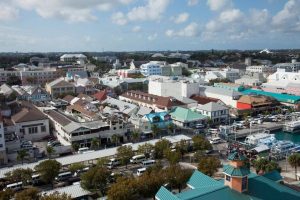
Often referred to as a “billionaire playground,” the Bahamas is home to a significant financial sector, including holding companies, banking, and finance industries, which contribute about 15% of the GDP. It’s also a thriving market for luxury real estate, ranking third globally for Prime International Residential Index growth. The country’s GDP per capita stands at around $37,000 (PPP), and it is projected to increase to $39,000 in 2025.
The Bahamas offers a tax-free environment, with no income, corporate, capital gains, or wealth taxes, making it an attractive destination for high-net-worth individuals. Tourism is a dominant sector, contributing 50% to the GDP, and the island nation draws millions of visitors each year, primarily from the United States.
6. Aruba
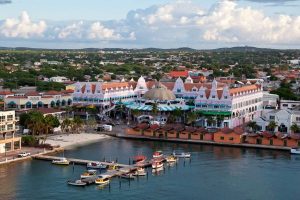
Known for its beautiful beaches and political stability, Aruba has established itself as a premium destination for tourism. In 2023, Aruba’s GDP per capita was $44,000 (PPP), with projections reaching $51,000 by 2025. Aruba’s tourism industry is booming, with over 1.5 million visitors each year, most of whom come from the United States. The island offers luxurious resorts, restaurants, and nightclubs that cater to wealthy tourists.
Despite not having a tax-free system like its neighbors, Aruba remains a desirable location for investors. The government maintains control over domestic affairs, while the Dutch manage foreign relations and defense issues. The island is still highly reliant on tourism, although efforts are underway to diversify the economy.
5. Puerto Rico
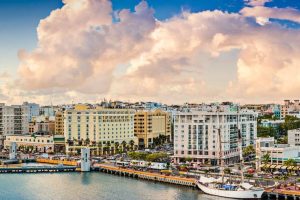
As an unincorporated US territory, Puerto Rico offers unique benefits for US citizens, particularly for wealthy individuals seeking tax advantages. Residents of Puerto Rico enjoy 0% tax on capital gains, interest, and dividends, which has drawn many rich Americans to the island. The real estate market has become especially lucrative, with numerous beachfront properties catering to the affluent. Puerto Rico is also a significant manufacturing hub, particularly for pharmaceuticals, medical devices, and electronics.
With a population of over 3 million, Puerto Rico has a GDP per capita of around $47,000 (PPP), with projections nearing $50,000 by 2025. It is a prime destination for American retirees and investors due to its tax-friendly environment, though challenges like natural disasters and infrastructure issues occasionally present hurdles.
4. US Virgin Islands
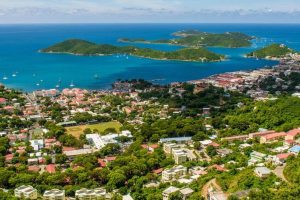
The US Virgin Islands are a prime destination for both tourism and financial services, with nearly 2.5 million visitors annually. The territory benefits from a unique tax incentive program that attracts high-net-worth individuals, businesses, and investors. Real estate prices are rising, driven by the influx of affluent individuals and firms.
With a population of about 104,000, the GDP per capita stands at $50,000 (PPP). In addition to tourism, trade, and services, the islands benefit from their status as a US territory, which offers residents US citizenship. However, they cannot vote in US presidential elections.
3. Sint Maarten

Sint Maarten is a thriving destination, with a GDP per capita of $50,000 (PPP). The Dutch side of the island of Saint Martin is famous for its beautiful beaches and bustling tourism industry, attracting nearly a million visitors annually. Despite setbacks from COVID-19 and natural disasters, Sint Maarten continues to show resilience, driven by its lucrative tourism sector, which accounts for about 45% of its GDP.
Sint Maarten has also become an attractive destination for foreign investors through its RBI (Residence by Investment) scheme, allowing investments in real estate or business ventures in exchange for permanent residence and Dutch citizenship.
2. Guyana
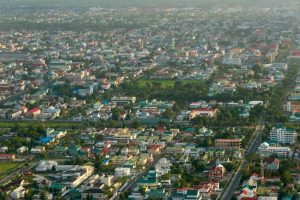
Guyana is one of the most dramatic success stories in the Caribbean in recent years. Following significant oil discoveries in 2008 and 2015, the country has seen an astonishing surge in its economy. In 2022, Guyana experienced the highest global real GDP growth, reaching an impressive 60%. By 2025, the GDP per capita is projected to soar to $94,000.
This newfound wealth has enabled Guyana to invest in public services, such as free healthcare and tuition, alongside direct cash grants to citizens. However, wealth inequality remains a concern, with ethnic divisions contributing to economic disparities. Despite these challenges, Guyana is poised to continue its rapid economic ascent.
1. Cayman Islands

At the top of the list is the Cayman Islands, the world’s biggest financial haven. The country has no income, capital gains, or corporate tax, making it an attractive destination for international businesses and wealthy individuals. With a GDP per capita of $85,000 (PPP), the Cayman Islands boasts one of the highest levels of wealth in the Caribbean.
The islands’ economy is driven by finance, real estate, and tourism. Despite controversies around tax evasion and shady financial schemes, the Cayman Islands remain an economic powerhouse in the region. With its luxurious lifestyle, high-net-worth residents, and thriving business environment, it’s no surprise that the Cayman Islands claim the top spot on this list.
Conclusion
The Caribbean, once primarily known for its idyllic beaches and tropical allure, is now entering a new era of economic growth, innovation, and prosperity. From financial hubs to oil-powered economies, these territories are leading the charge in defining what wealth looks like in the region. While there are still challenges to address, particularly in terms of income inequality and sustainable growth, the Caribbean is undoubtedly becoming a major player on the global economic stage.
Which of these territories has the greatest potential for future growth? Do you believe that the rise in investment and tourism will bring lasting prosperity to the region, or do you foresee challenges ahead? Let us know your thoughts in the comments below!
Like, share, and subscribe to our newsletter for more exciting content on the Caribbean’s emerging role in the global economy!