



– Advertisement –
The UN says Haiti is becoming a major drug hub in the Caribbean after a record seizure of cocaine off the country’s northern coast.
The latest report from the United Nations Office on Drugs and Crime (UNODC) says Haiti now plays a bigger role in moving narcotics between South America, the Caribbean and the United States.
Haiti is already in a deep security and humanitarian crisis. Armed gangs now control important areas in and out of Port-au-Prince. The UN says these gangs are increasingly linked to international criminal networks and help move drugs, weapons and other illegal goods.
In July 2025, Haitian authorities seized 1,045 kilograms of cocaine near Île de la Tortue. It was the country’s biggest drug bust in more than 30 years. Two weeks later, police in Petite-Anse near Cap-Haïtien seized another 426 kg of cannabis. Jamaican authorities also found more than 1,350 kg of cannabis linked to Haitian nationals.
Investigators think the July cocaine shipment came from South America and was meant for the Caribbean and the United States.
The UN also cites evidence of longer-distance shipments, for example Belgian officials in Antwerp found 1,156 kg of cocaine in August in a container that had come from Haiti.
According to UNODC, Haiti’s most powerful gangs control key trafficking routes inside the country and along the border with the Dominican Republic. They also dominate maritime paths north of Haiti. These groups charge tolls to ships, carry out armed robberies at sea and move drugs around the country with little opposition.
Intelligence from Jamaica links Haitian gangs to a guns-for-drugs trade. This suggests growing cooperation between criminal groups in the region.
Île de la Tortue has been a smuggling base since pirate times. Its size, remoteness and location close to routes toward the Bahamas, Jamaica and the Turks and Caicos Islands make it central to drug transit. Haiti’s weak justice system also makes it easy for organized crime to operate.
Weapons often follow the same paths as drugs, adding to the violence inside Haiti and affecting other Caribbean countries. The traffickers behind the July shipment included Bahamian and Jamaican nationals, showing cross-border cooperation.
The UN also warns that drug routes now overlap with routes used for migrant smuggling, pulling more Haitians into dangerous maritime journeys.
The drug trade is hurting governance, scaring away tourists and putting pressure on police across the Caribbean. Ports and maritime operators face new security risks, even as seizures show how organised and international the networks have become.
The UNODC is expanding its support to help Haiti control its borders and strengthen maritime operations and intelligence-based policing. A national plan to improve security at ports, airports and land borders is in progress.
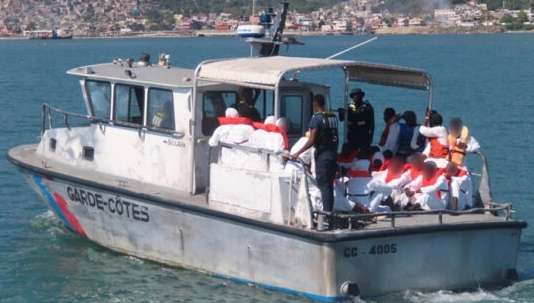
The UN’s Global Maritime Crime Programme is helping the Haitian Coast Guard monitor busy drug and migration routes at sea.
On land, the UN is helping security forces run intelligence-led operations against gangs involved in drugs, arms and human smuggling. Information-sharing with Caribbean partners has also increased.
Because corruption and money laundering fuel these networks, the UN is supporting new measures to improve oversight and accountability. Specialized courts are being created to handle cases involving financial crime, gang activity and other serious offences. The goal is to reduce impunity and rebuild trust in Haiti’s justice system.
Source: UN.
– Advertisement –