


In an attempt to stop transmission of avian flu between the islands, the Department of Agriculture has suspended all movement of live birds between Grand Cayman, Cayman Brac and Little Cayman, halting both imports and exports across internal air and sea routes for the next 21 days.
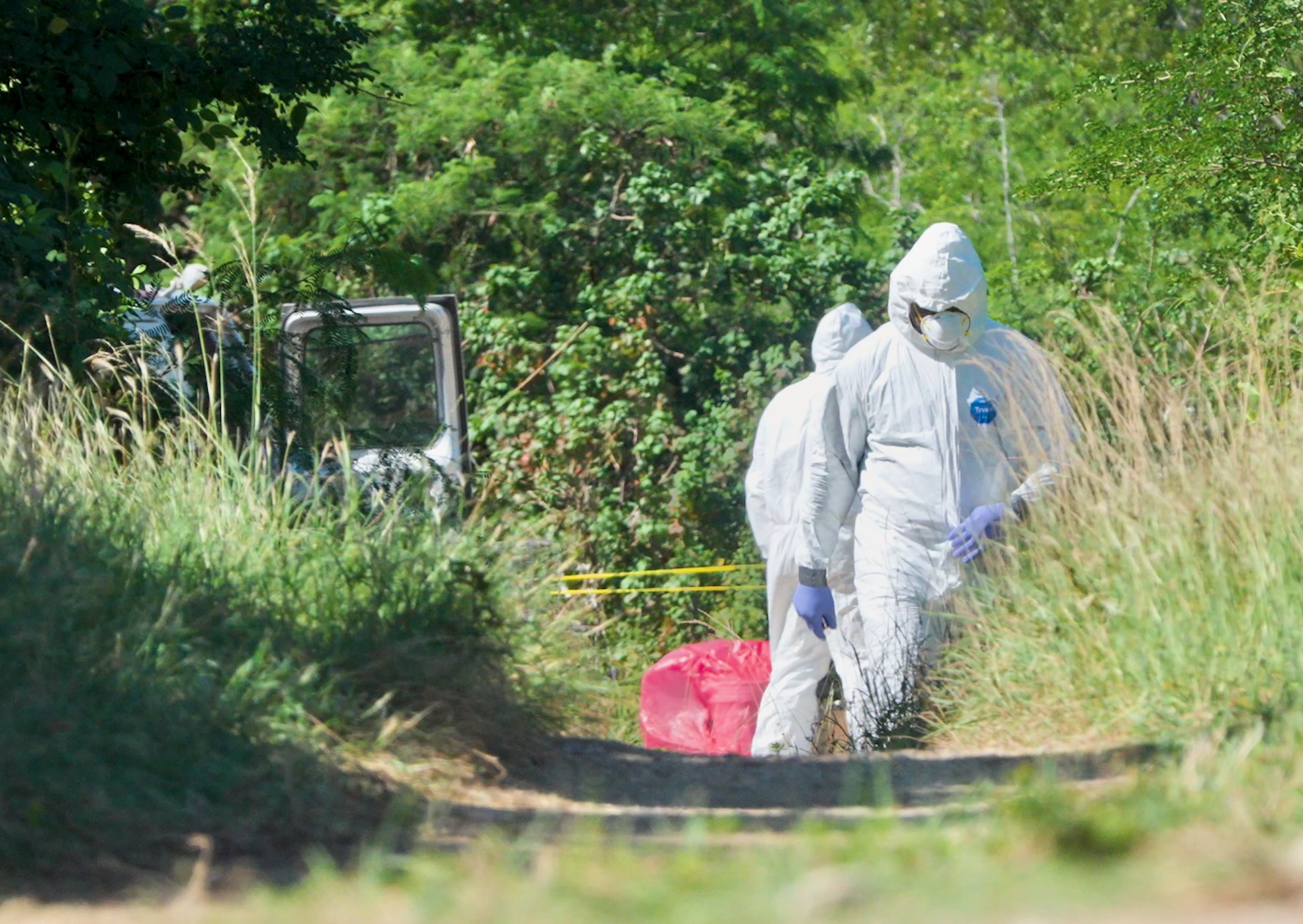
The freeze applies to all live avian species – chickens, turkeys, ducks, pigeons, geese, quail, pheasants and partridges – following the confirmation of an outbreak of avian flu at a farm in West Bay on 28 Nov., where several turkeys were found dead. Testing the following day identified seven additional infected birds.
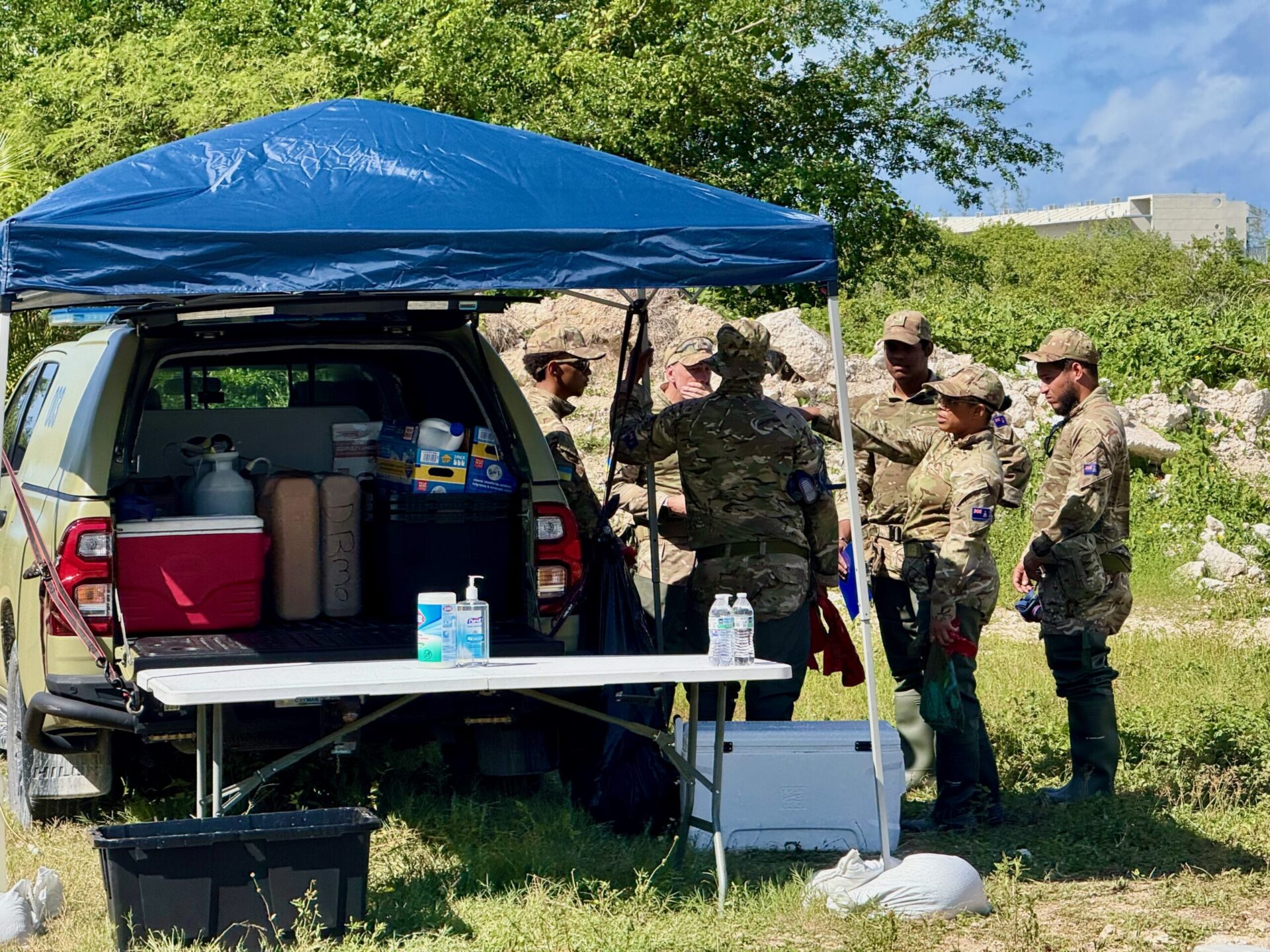
The site on Cemetery Road was sealed off under police-enforced cordons, biosecurity controls went into effect, and teams launched what has become a full-scale containment operation – surveillance, soil removal, feral-chicken control, targeted culling and laboratory testing – all designed to cut off possible routes of spread before the virus could travel further.
All remaining birds at the affected site have since been removed, officials said, with carcasses disposed of under strict public-health and animal-health controls.
The current restriction on movement is considered precautionary, but required.
“These actions have been deemed necessary to help safeguard the islands’ poultry sector and prevent the potential spread of avian-related illnesses,” read a press release from the Cayman Islands government.
Implications for the local poultry sector
The temporary suspension of inter-island poultry movement is not expected to have a major impact on the local food system.
Cayman produces relatively little poultry domestically. Government records show just 40 registered poultry farmers across Grand Cayman, alongside 59 livestock farmers.
The islands rely heavily on poultry imports, spending $14.7 million on poultry meat in 2023 alone, mostly from the United States and Jamaica.
What is less certain is how the new directive could affect Cayman’s growing egg industry, an area being targeted for strategic expansion under the Cayman Islands Food and Nutrition Security Policy 2022-2037.
Under the government-led National Egg Strategy, or NEST, 17 Caymanian farmers are working to double domestic egg production and secure 40% of the market. The programme provides training, certification and infrastructure to bring eggs out of the backyard economy and into regulated commercial supply.
The biggest producer currently in the programme is Old Man Bay Farms, run by Olson Anderson, which produces up to 1,000 dozen eggs per week during cooler months.
Remaining questions
Officials have not said whether additional controls could be imposed on poultry imports from overseas. While infections have so far been confirmed in chickens and turkeys, authorities have not indicated whether other species are affected and the source of the virus has not yet been communicated.
Current rules require that imported birds and eggs be certified disease-free. Exporters are required to provide a health certificate issued within 14 days of arrival and endorsed by a government veterinary officer in the exporting country, confirming the birds are free from signs of infectious disease, including avian flu, and that no notifiable poultry diseases have been reported within a 50-kilometre radius of the source farm in the previous six months.
Whether that system failed or whether the virus entered through another route entirely, has not been made clear.
Meanwhile, the calendar keeps moving, with Christmas and Cayman Thanksgiving both taking place within less than a month. The latter falls on 7 Dec. this year, just days into the movement ban.