


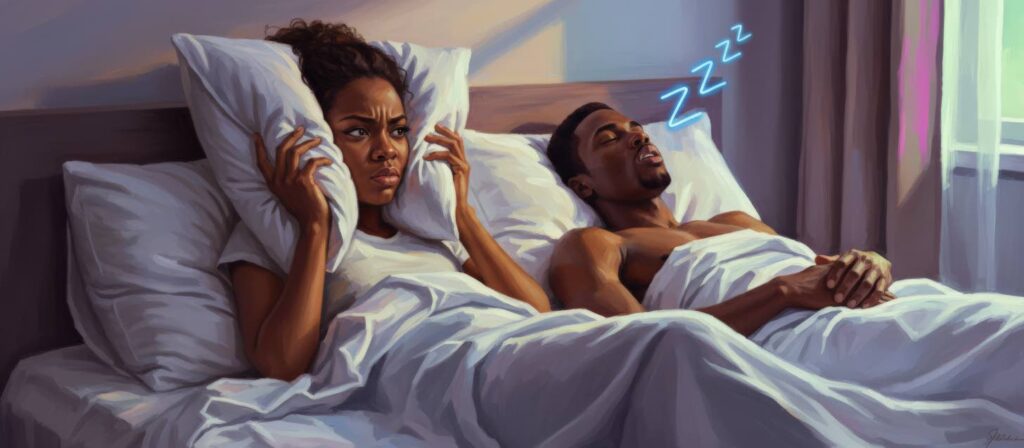
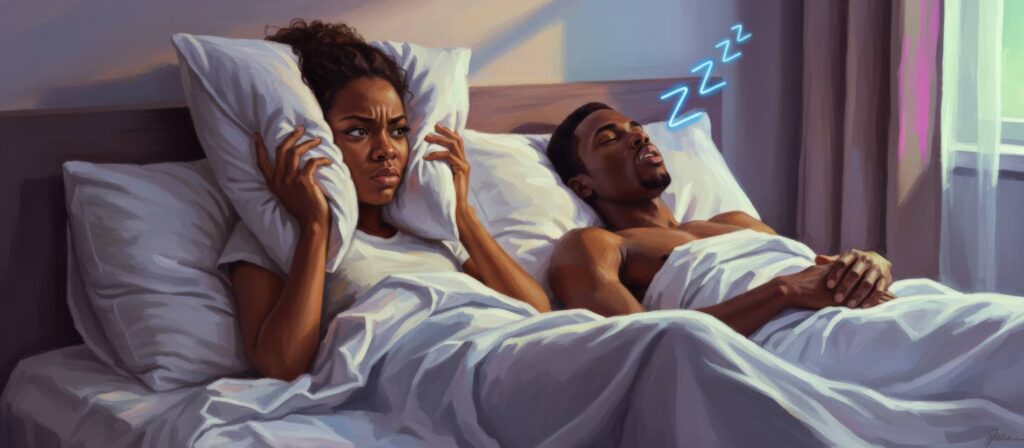
Many people quietly adjust their lives around poor sleep, sleeping in separate rooms, waking repeatedly during the night, or starting each day already exhausted. Over time this takes a toll on patience, emotional balance, and quality of life.
Nearly a quarter of people in a global analysis of Samsung Health users showed indicators associated with sleep apnea risk, highlighting how widespread the underdiagnosed sleep disorder may be, according to data released around World Sleep Day, observed this year on March 14.
Sleep apnea, a condition in which breathing repeatedly pauses during sleep, affects millions of people worldwide and can disrupt oxygen supply, reduce sleep quality and increase the risk of health complications including hypertension and stroke. About 80 per cent of sufferers may not realise they have the disorder, according to the American Academy of Sleep Medicine.
The analysis, based on sleep data collected from Samsung Health users in several countries between January and June 2025, found that 23 per cent of participants showed indicators associated with a higher likelihood of sleep apnea.
Behavioural sleep scientist Dr Vanessa Hill said breathing interruptions during sleep often trigger brief awakenings that disrupt deeper stages of rest.
“The micro-arousals and awakenings that follow breathing pauses fragment your sleep,” Hill said, noting that such interruptions can prevent the brain from remaining in REM and deep sleep stages needed for cognitive and physical restoration.
According to the analysis, participants with signs associated with moderate to severe sleep apnea averaged about four minutes less rapid eye movement (REM) sleep per night and roughly eight minutes less deep sleep, two stages linked to memory consolidation, emotional regulation and physical recovery.
Those participants also experienced more frequent awakenings during the night and remained awake longer after waking. Overall sleep duration was about 12 minutes shorter on average compared with users without similar indicators, the analysis found.
Hill said even modest reductions in sleep time could have wider effects when combined with poorer sleep quality.
“Even a small loss in sleep duration is compounded by a larger loss of sleep quality,” she said. “This can be the difference between simply being in bed and getting restorative rest.”
Sleep specialists say early detection is important because untreated sleep apnea can affect several aspects of sleep health — including duration, efficiency and daytime fatigue — while increasing the risk of cardiovascular complications.
Technology companies have increasingly introduced wearable devices aimed at helping users monitor sleep patterns and identify potential warning signs of sleep disorders. Some smartwatches, including Samsung’s Galaxy Watch, now include features designed to flag possible indicators of obstructive sleep apnea by tracking blood oxygen levels during sleep and estimating a user’s apnea-hypopnea index, a commonly used measure of the condition’s severity.
Hill said such technology could help address barriers to diagnosis by allowing people to collect sleep data at home before consulting medical professionals.
“For years, the inconvenience of an in-lab clinical sleep study has been a barrier to diagnosing sleep apnea,” she said. “Wearable technology allows people to gather meaningful data from their own beds, providing a starting point for a conversation with a healthcare professional.”