


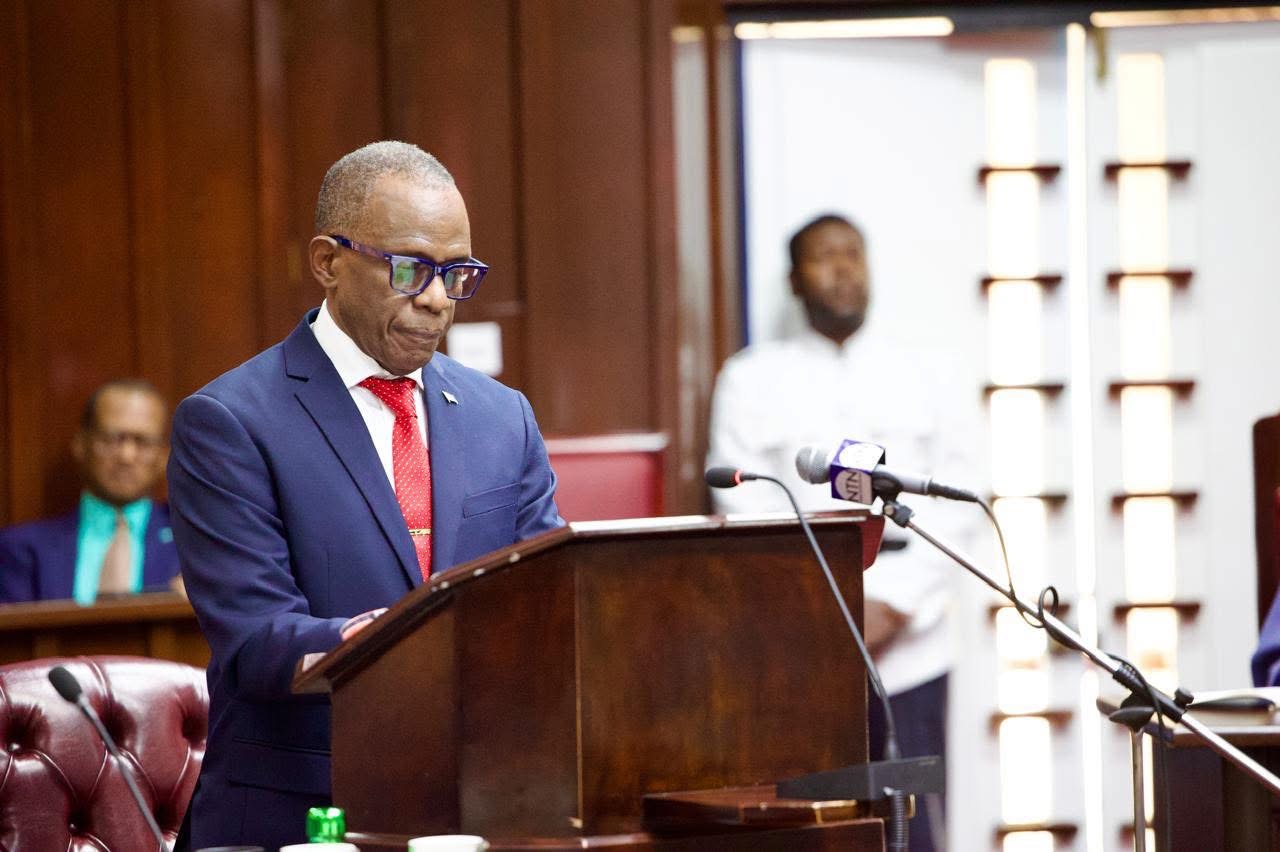
Prime Minister Philip J. Pierre laid the Estimates of Revenue and Expenditure for the 2026/27 fiscal year in Parliament on March 27, featuring the largest budget in Saint Lucia’s history, with expenditure estimated at $2.18 billion.
But beyond the headline figure, Saint Lucians want to understand what this unprecedented spending will mean for their everyday lives.
Rhodes Scholar and Master of Public Policy student Rahym Augustin-Joseph says while the size of the budget signals that the economy is growing, the real impact will depend on the government’s spending plans.
“For the average Saint Lucian, one can know that the economy is growing and all things being considered they may be able to see added benefits for their everyday life,” he explained.
A budget focused on continuation, not major change
Augustin-Joseph says the budget continues existing government programmes rather than introducing significant new policies. The Prime Minister outlined projects for the coming year, including the Julian R. Hunte Highway, Choc Bridge, the redevelopment of Hewanorra International Airport and a new wing at Owen King EU Hospital.
“This budget also seemed to focus a lot more on consolidating some existing infrastructure and road projects, in addition to St Jude’s completion that has lagged pre- and post-elections of last year, so I don’t see this as a budget that will have revolutionary policy positions,” he said.
He also pointed out that many of the social programmes introduced or expanded in recent years are expected to continue, including pensions and educational support, which will now cover an additional CXC subject. Further support is also expected for early childhood programmes and other social safety nets.
Borrowing, revenue and accountability
The government has projected revenue of $1.83 billion, a 6.7 per cent increase from the previous fiscal year, but a shortfall of more than $200 million is expected to be financed through loans and bonds.
Augustin-Joseph says borrowing is not unusual for small developing countries like Saint Lucia.
“We will need to borrow to finance obligations, and we need to understand that, but the question must always be the extent and purpose,” he stated.
“I think people can get behind borrowing if it directly benefits their livelihoods – which is what we must ensure it does,” he added.
Augustin-Joseph also highlights the need for transparent government spending, especially regarding tax dollars, to help citizens understand how funds are allocated between debt repayment and development.
“I think, therefore, with this increase, there needs to be focus on government service delivery in the public sector, business facilitation and the ease of doing business,” he said.
The ‘salient issues’ that still need attention
At the same time, Augustin-Joseph believes the moment is also an important one for the country to begin seriously addressing some of the “salient issues” that continue to affect citizens year after year.
He identifies key issues requiring attention: agricultural development amid global cost pressures, consumer protection against rising oil prices, and ongoing water, public transportation and traffic challenges.
“What I would like to hear more of is how some of the revenue would be utilised for some of our recurring, pesky and salient issues,” he remarked.
He noted that while large infrastructure projects and major developments are important, everyday issues that affect citizens, if left unchecked, could spell disaster for the economy.
The upcoming policy debate
Ahead of the policy debate expected in April, two senators have shared with St Lucia Times what they would like the government to focus on in the coming fiscal year.
Former Tourism Minister Dominic Fedee pointed to what he described as the country’s “high debt stock”, calling it an “impediment to growth”. He also believes the general public is “overtaxed”. Fedee believes the government may need to re-strategise its approach to tourism to fully reap the industry’s benefits and help reduce the nation’s debt.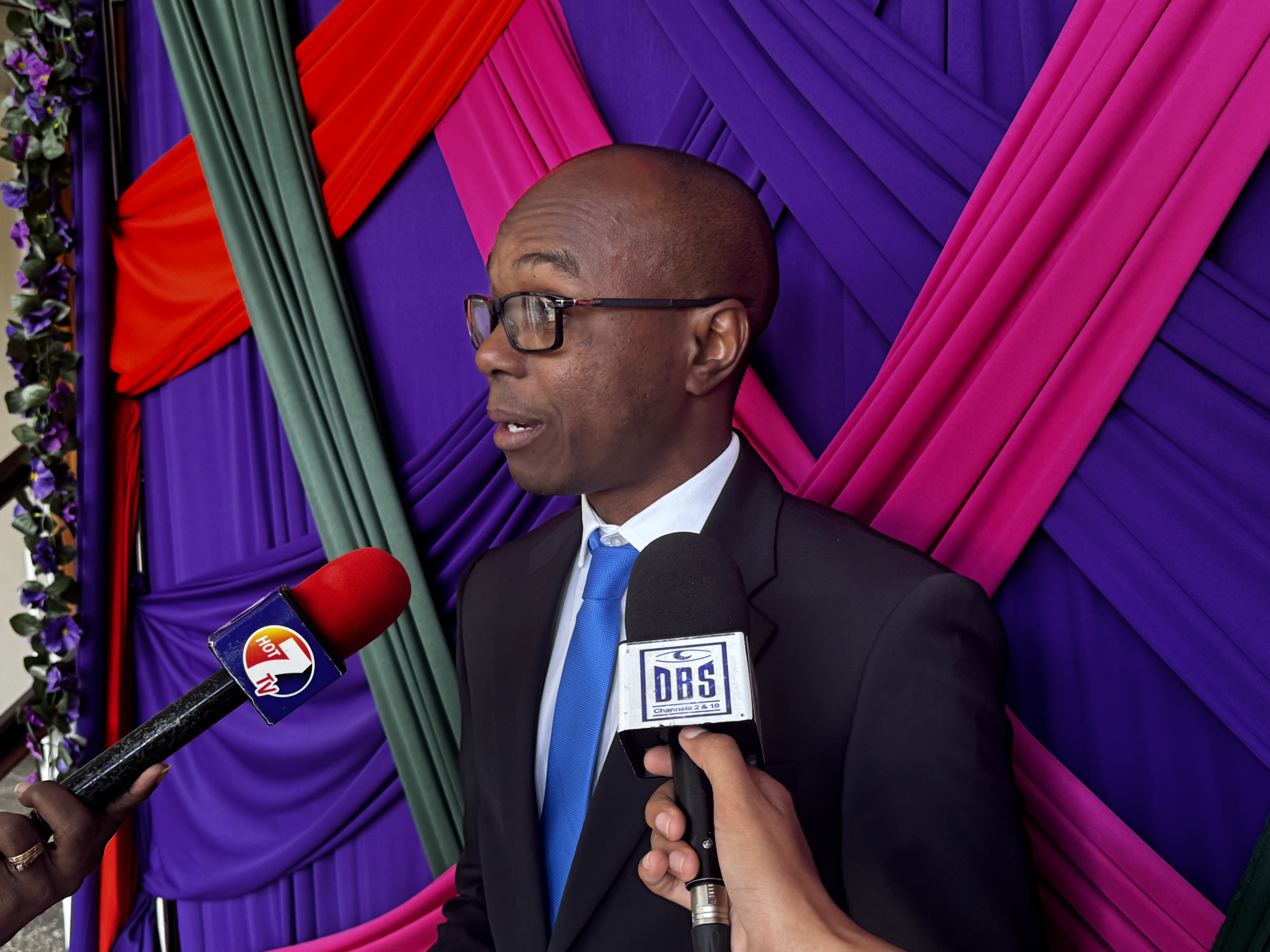
“We have to focus a lot on tourism, our main productive sector, and the excuses that the government continues to make as to why there has been moderate growth in the industry…that’s not a step in the right direction because it is growth that will drive us out of the fiscal situation that currently confronts us.”
Government Senator Allison Jean hopes to see progress in areas such as housing development, which has been on the government’s agenda for some time, and the creative industries. 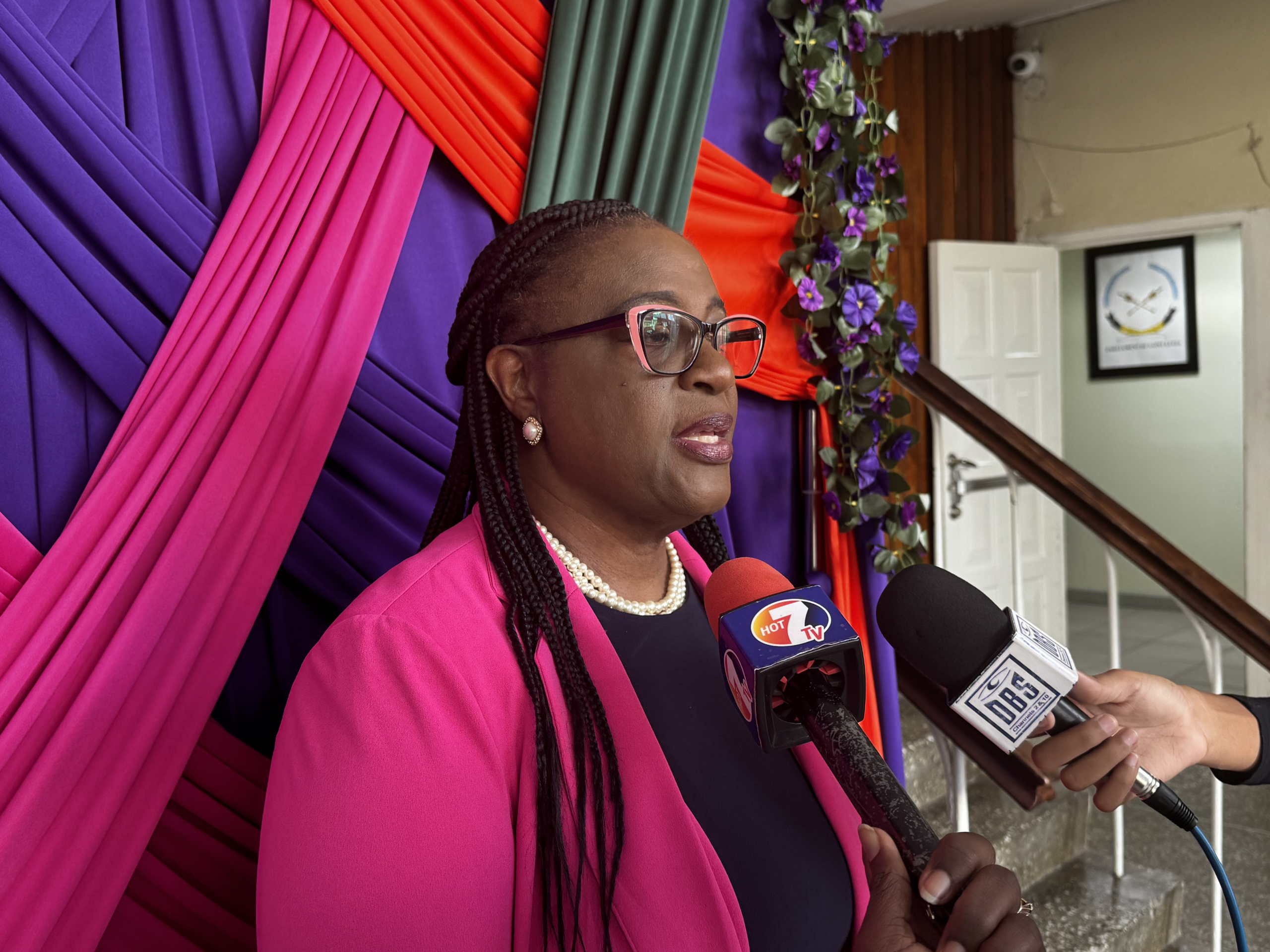
Jean also spoke about the need for a new home for the island’s creatives, suggesting that the National Cultural Centre has “outlived its usefulness”.
“It would be good to have a beautiful theatre,” she remarked.
She also described the Hewanorra International Airport redevelopment project as “a must” to accommodate increased airlift into the island.