


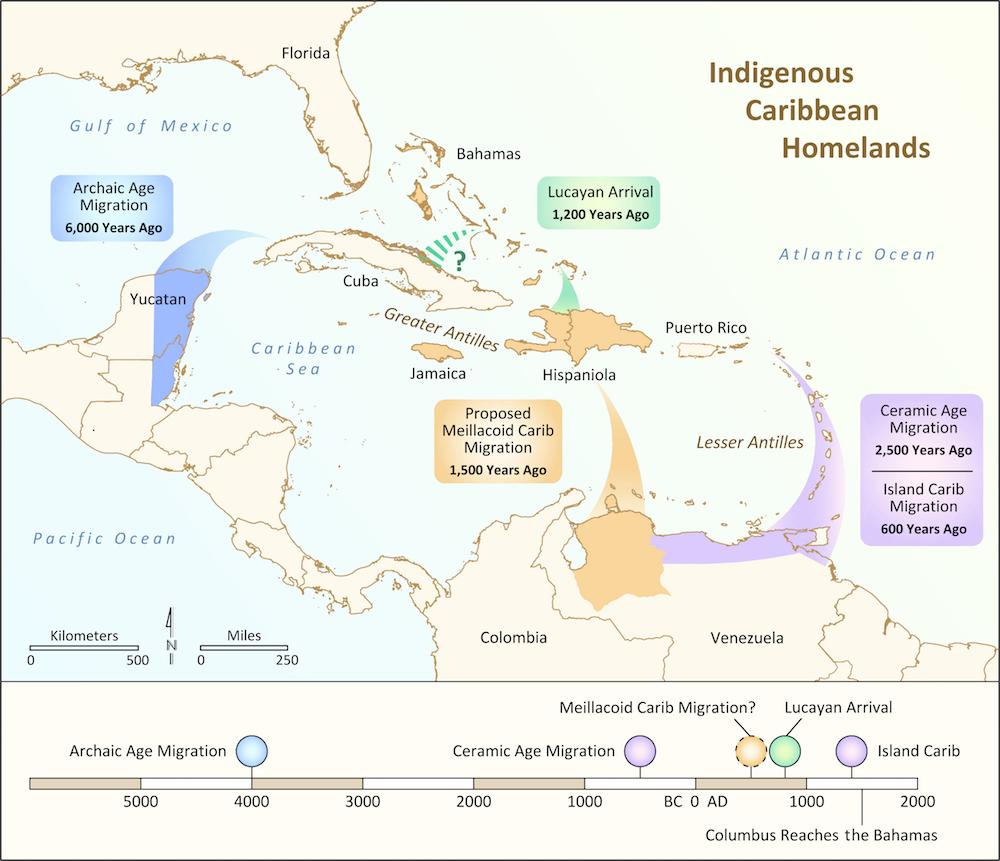
As migration patterns evolve in an increasingly interconnected world, the movement of people from the Caribbean to various host countries has become a focal point of both academic research and policy discussions. This article delves into the multifaceted impacts of Caribbean migration, examining how these migrations influence economic growth, cultural dynamics, and social structures in receiving nations. From the bustling streets of Miami to the vibrant communities in Toronto, Caribbean migrants contribute significantly to their host countries, yet the effects of such migration can be complex and nuanced. By analyzing current data, case studies, and expert opinions, we aim to shed light on the challenges and opportunities presented by Caribbean migration, offering a comprehensive perspective on its role in shaping the social and economic landscape of global cities.
Table of Contents
- Understanding Economic Impacts of Caribbean Migration on Host Countries
- Social Integration: Challenges and Opportunities for Caribbean Immigrants
- Cultural Contributions of Caribbean Migrants to Local Communities
- Policy Recommendations for Enhancing Migrant Integration and Development
- Final Thoughts
Understanding Economic Impacts of Caribbean Migration on Host Countries
Caribbean migration has profound implications for host countries, with an array of economic impacts that can shape both local and national economies. Remittances sent back home by migrants often represent a significant influx of foreign currency, bolstering the economies of their countries of origin. In host countries, these immigrants contribute to the labor force, filling roles in sectors such as agriculture, healthcare, and hospitality—areas often experiencing labor shortages. Moreover, the growing presence of Caribbean migrants brings diversity to the workforce, fostering innovation and competitiveness in the job market.
However, the challenge of integration also comes into play, affecting public services and infrastructure. Host countries may experience:
- Increased demand for healthcare services due to larger populations.
- Pressure on housing markets, leading to higher costs.
- Potential cultural tensions, which may hinder social cohesion.
To illustrate these dynamics, consider the following table that summarizes the contributions and challenges faced by host countries:
| Positive Contributions | Challenges |
|---|---|
| Enhanced economic growth | Strain on public services |
| Diverse skills and innovation | Housing market pressures |
| Strengthened cultural exchange | Cultural integration issues |
Social Integration: Challenges and Opportunities for Caribbean Immigrants
The journey of Caribbean immigrants often leads them to the shores of new host countries, bringing with them rich cultural heritage and a strong desire to integrate. However, this transition is fraught with challenges that can hinder their social acceptance and integration into the local community. Among these hurdles are language barriers, cultural differences, and lack of recognition for their qualifications and skills. Many Caribbean immigrants find themselves in jobs well below their education level, leading to economic instability that exacerbates feelings of isolation. The importance of understanding and addressing these barriers cannot be overstated, as they directly impact the immigrants’ ability to build relationships and contribute to society.
Despite these challenges, Caribbean immigrants also present a wealth of opportunities for their host countries, enriching the social fabric through their vibrant cultures and diverse perspectives. Communities can benefit from the unique culinary traditions, festive celebrations, and artistic expressions that Caribbean immigrants introduce. Additionally, fostering inclusive environments leads to mutual respect and understanding between locals and newcomers, ultimately enhancing social cohesion. Implementing programs that promote cultural exchange and community engagement can bridge divides and highlight the shared values that unite people across different backgrounds. Local governments and organizations have a crucial role in creating these opportunities, often resulting in positive outcomes not just for immigrants but for society as a whole.
Cultural Contributions of Caribbean Migrants to Local Communities
The impact of Caribbean migrants on local communities goes beyond mere demographics; their rich cultural heritage brings a vibrant tapestry of traditions, music, and cuisines that significantly enrich host countries. From the lively rhythms of Calypso and Reggae to the spirited Carnival celebrations, Caribbean culture fosters a sense of unity and community engagement in various locales. These cultural contributions pave the way for enriching educational programs and workshops, where locals can learn about Caribbean arts, crafts, and traditions, ultimately leading to greater cultural exchange and fostering diversity.
Moreover, Caribbean migrants often become key figures in the culinary scene, introducing unique flavors and dishes that captivate local palates. Cities across the globe showcase Caribbean restaurants and food festivals that celebrate this cultural fusion. These establishments not only provide authentic Caribbean cuisines but also create job opportunities and stimulate local economies. Highlighted below are some notable contributions:
| Contribution | Examples |
|---|---|
| Music and Dance | Reggae festivals, Soca workshops |
| Culinary Innovation | Caribbean food trucks, fusion restaurants |
| Festivals and Events | Carnival parades, cultural fairs |
| Art and Literature | Literary readings, art exhibits |
Policy Recommendations for Enhancing Migrant Integration and Development
To address the challenges and opportunities presented by Caribbean migration, it is essential for governments and policymakers to adopt comprehensive strategies aimed at fostering integration and development. By implementing targeted initiatives, host countries can enhance social cohesion and economic contributions from migrant populations. Key policy recommendations include:
- Community Engagement Programs: Facilitate dialogue and collaboration between locals and migrants to build mutual understanding and cooperation.
- Access to Services: Ensure fair access to education, healthcare, and social services for migrants to facilitate their successful integration into society.
- Workforce Development: Create training and certification programs tailored to the skills of migrants, promoting their employability and economic empowerment.
- Anti-discrimination Policies: Strengthen legislation to protect migrants from discrimination and bias in the labor market and broader society.
Furthermore, integrating migrants into the economic fabric of host countries can yield substantial benefits, not just for the migrants themselves but for the economy as a whole. To effectively harness these benefits, it’s essential to implement supportive measures such as:
- Inclusive Labor Market Policies: Encourage businesses to recognize and utilize the skills migrants bring to the workforce.
- Support for Entrepreneurship: Provide access to funding, mentorship, and resources for migrant entrepreneurs to promote self-sufficiency and innovation.
- Data Collection and Research: Invest in research projects to better understand migrant demographics, contributions, and the challenges they face, enabling evidence-based policy-making.
- Cultural Exchange Programs: Promote initiatives that celebrate the cultural contributions of migrants, fostering a sense of inclusivity and shared identity.
Final Thoughts
the exploration of Caribbean migration underscores its complex effects on host countries, encompassing economic contributions, cultural enrichment, and social challenges. As communities evolve alongside shifting migration patterns, it is imperative for policymakers and stakeholders to foster an inclusive dialogue that addresses the needs of both migrants and native populations. By promoting integration and understanding, host countries can better harness the benefits of Caribbean migration while mitigating potential tensions. As the landscape of global migration continues to change, ongoing research and informed policymaking will be essential in ensuring that the experiences of Caribbean migrants are recognized and celebrated as part of the broader narrative of diversity and resilience in their new homes.