


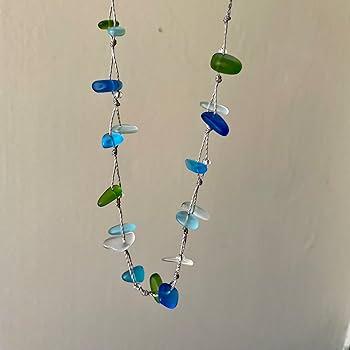
In recent years, the Caribbean has emerged as a burgeoning player in the global luxury market, with an increasing appetite for its unique jewelry and high-end goods. This surge in demand can be attributed to a confluence of factors, including the region’s rich cultural heritage, skilled artisans, and the allure of locally sourced, sustainable materials. As consumers become more discerning and seek out authentic experiences, Caribbean jewelry is being recognized not just for its aesthetic appeal, but also for its craftsmanship and storytelling. Major luxury brands are beginning to take notice, forging collaborations with local designers and artisans to cater to this growing demand. This article delves into the factors driving this trend, the challenges faced by Caribbean producers, and the potential for the region to carve out a significant niche in the global luxury market.
Table of Contents
- Understanding the Factors Driving Increased Demand for Caribbean Jewelry and Luxury Goods
- Analyzing the Role of Cultural Heritage in Shaping Unique Caribbean Luxury Offerings
- Strategic Recommendations for Local Artisans to Capitalize on Global Market Trends
- Addressing Sustainability and Ethical Sourcing in Caribbean Luxury Production
- Closing Remarks
Understanding the Factors Driving Increased Demand for Caribbean Jewelry and Luxury Goods
The surge in demand for Caribbean jewelry and luxury goods can be attributed to several interrelated factors, influencing both consumer preferences and market dynamics. As global awareness of environmental sustainability grows, there is a heightened appreciation for products that reflect ethical sourcing practices. Consumers are increasingly seeking authenticity and heritage, favoring handcrafted items that tell a story. Furthermore, the Caribbean’s vibrant culture and rich traditions contribute to unique designs that resonate with both locals and international buyers seeking distinctive pieces. The allure of exotic materials such as rare gemstones and artisanal craftsmanship continues to captivate a discerning clientele looking for something more than standard luxury goods.
Additionally, the rise of social media and digital marketing has bridged the gap between artisans and global audiences, creating a platform for Caribbean designers to showcase their work. This exposure not only increases visibility but also builds brand loyalty among consumers who are drawn to the narrative behind each piece. With the luxury market evolving, there’s an increasing trend towards personalization and bespoke services; consumers are now more inclined to invest in pieces that reflect their individual style and values. To summarize, various factors contribute to this upward trajectory in demand, including:
- Ethical Sourcing: Consumers favoring transparency in how products are made
- Cultural Significance: Unique designs tied to Caribbean heritage
- Digital Connectivity: Access to global audiences through social media
- Personalization: A growing preference for bespoke luxury items
Analyzing the Role of Cultural Heritage in Shaping Unique Caribbean Luxury Offerings
The Caribbean stands as a vibrant tapestry of diverse cultures, each with its own unique narratives, traditions, and artistic expressions. This rich tapestry significantly influences the region’s luxury goods market, particularly in jewelry and upscale handicrafts. Artisans harness indigenous materials like precious metals, gemstones, and organic components, infusing them with cultural motifs that resonate deeply with both locals and tourists. The incorporation of traditional craftsmanship techniques, often passed down through generations, not only adds value to the creations but also creates a sense of connection to the vibrant histories and stories of the Caribbean islands.
As global demand for luxury goods continues to rise, the distinctiveness of Caribbean products gives them a competitive edge in the marketplace. Tourists seeking authentic experiences often gravitate toward items that showcase regional identity, leading to the emergence of exclusive collections that reflect local lore, flora, and fauna. Notable highlights include:
- Handcrafted Jewelry: Often inspired by local myths and natural beauty, blending modern design with traditional techniques.
- Artisanal Crafts: Unique pieces, including weavings and pottery, that tell stories of cultural heritage.
- Limited Edition Collaborations: Partnerships between local artisans and international designers that amplify Caribbean aesthetics on a global stage.
Strategic Recommendations for Local Artisans to Capitalize on Global Market Trends
To effectively tap into the surging global interest in Caribbean jewelry and luxury goods, local artisans should consider adopting innovative marketing strategies that highlight the uniqueness of their craftsmanship. Emphasizing sustainability, cultural heritage, and quality materials will resonate well with discerning consumers looking for authentic products. Artisans can leverage social media platforms to share storytelling content, showcasing not only their products but also the rich narratives behind their creations. Hosting virtual workshops or live demonstrations can further engage potential buyers and establish a deeper connection to the artistry involved.
Additionally, forming partnerships with international distributors or boutique retailers can facilitate market entry and broaden reach. By pursuing collaborations with established brands, artisans can enhance their visibility and build credibility in competitive markets. Participation in online marketplaces focused on handmade goods can also be effective, allowing local artisans to present their creations to a global audience. To maximize profitability, artisans should consider the following strategies:
| Strategy | Description |
|---|---|
| Brand Storytelling | Highlight the cultural significance and craftsmanship behind pieces. |
| Social Media Engagement | Share behind-the-scenes processes and customer testimonials. |
| International Collaborations | Partner with global brands to increase exposure. |
| Online Marketplaces | Sell on curated platforms specializing in artisan goods. |
Addressing Sustainability and Ethical Sourcing in Caribbean Luxury Production
The Caribbean luxury goods market is experiencing an uplift as global consumers increasingly prioritize sustainability and ethical sourcing in their purchasing decisions. This shift not only reflects a growing awareness of environmental issues but also a demand for transparency and integrity within the supply chain. Luxury brands in the region are responding by implementing practices that promote sustainable sourcing, thereby ensuring that the materials used are harvested responsibly. By harnessing local artisans and sustainable materials, brands can cultivate unique offerings that resonate with environmentally-conscious consumers. Key approaches include:
- Utilizing recycled materials and repurposed designs
- Emphasizing artisan craftsmanship and local heritage
- Ensuring fair trade practices for local suppliers
- Minimizing carbon footprints through eco-friendly logistics
Moreover, collaboration between luxury brands and environmental organizations is becoming increasingly common. This not only reinforces brand credibility but also encourages responsible tourism, creating a sustainable ecosystem beneficial for both local communities and global consumers. By engaging in such partnerships, Caribbean luxury production has the potential to leverage its rich cultural tapestries while promoting ethical consumption that honors the environment and supports sustainable development initiatives. The following table outlines some of the leading practices in the region:
| Practice | Description |
|---|---|
| Local Sourcing | Sourcing materials from local suppliers to support the economy. |
| Eco-Friendly Packaging | Utilizing biodegradable or recyclable packaging materials. |
| Community Workshops | Hosting workshops to educate artisans on sustainable practices. |
Closing Remarks
the surge in global demand for Caribbean jewelry and luxury goods underscores the region’s potential as a burgeoning hub for high-quality craftsmanship and unique cultural expression. As international markets increasingly turn their attention to the exquisite artistry and rich heritage embedded in Caribbean creations, local artisans and designers are poised to benefit from increased visibility and commercial opportunities. The collaboration of stakeholders—including governments, tourism boards, and the private sector—will be essential in harnessing this momentum and ensuring sustainable growth. As the Caribbean continues to refine its identity as a luxury destination, the fusion of tradition and modernity within its jewelry and luxury goods will undoubtedly captivate discerning consumers around the world. The future of Caribbean luxury is bright, paving the way for innovative ventures and enriching the global luxury landscape.