


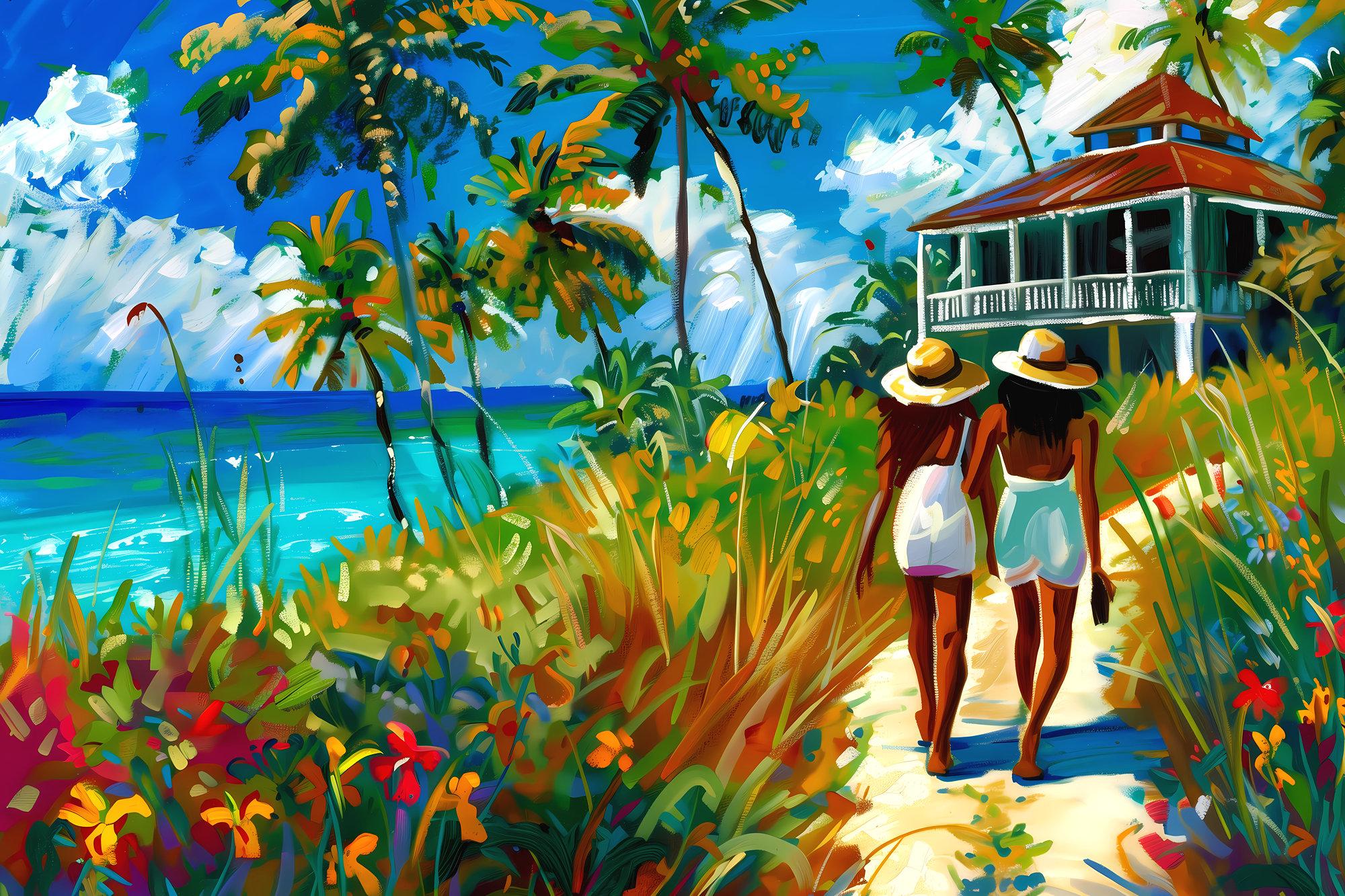
The Caribbean, with its breathtaking landscapes and rich cultural tapestry, serves as both muse and battleground for artists and writers alike. Amidst the vibrant hues of a sunset over the turquoise sea and the rhythmic sounds of nature, a profound dialog emerges—one that addresses the pressing environmental issues facing the region. In this exploration of environmental themes within Caribbean art and literature, we delve into how creators are not only reflecting the beauty of their surroundings but also critiquing the ecological challenges that threaten their heritage and future. From the intricate brushstrokes of local painters to the poignant verses of Caribbean poets, this article invites you to discover how the voices of the region’s artists navigate the complexities of ecological conservation, cultural identity, and social activism. Join us as we unravel the deep connections between nature, culture, and creativity in the Caribbean, and consider the role these artistic expressions play in raising awareness and inspiring change.
Table of Contents
- Understanding the Intersection of Nature and Culture in Caribbean Artistic Expression
- The Role of Indigenous Narratives in Shaping Environmental Consciousness
- Celebrating Biodiversity: How Caribbean Art Reflects Ecological Diversity
- Practical Approaches to Integrating Environmental Themes in Creative Writing and Visual Arts
- Wrapping Up
Understanding the Intersection of Nature and Culture in Caribbean Artistic Expression
In the Caribbean, the dialog between nature and culture is vividly expressed through a rich tapestry of artistic practices that are deeply rooted in the region’s ecological context. Artists across various mediums draw inspiration from the lush landscapes, vibrant flora, and diverse fauna that define their surroundings. This connection manifests in works that go beyond mere representation; they invite viewers to engage with pressing environmental issues that affect the islands, such as climate change, deforestation, and biodiversity loss. Notably, contemporary Caribbean artists often incorporate traditional motifs and techniques, which serve as a bridge between ancestral wisdom and modern ecological concerns. This blending creates a body of work that is not only visually stunning but also rich in meaning and urgency.
The literature of the Caribbean also reflects this profound intertwining, as writers explore themes of identity, displacement, and ecological awareness. Through poetry, prose, and storytelling, they illuminate the relationship between people and their natural environment, offering insights into how cultural narratives shape ecological perceptions. Authors often weave in elements such as folklore, historical land use, and cultural traditions to paint a complex picture of the Caribbean experience. Here are some notable aspects of environmental themes in Caribbean literature:
- Use of local flora and fauna – Symbols that represent cultural heritage.
- Environmental activism – Literature as a platform for advocacy.
- Mythology and nature – Articulating the spiritual connection to landscapes.
The Role of Indigenous Narratives in Shaping Environmental Consciousness
Indigenous narratives hold a profound significance in shaping our understanding of environmental issues, serving as a bridge between cultural heritage and ecological awareness. They often encapsulate a deep relationship with the land, portraying the intricate balance between humans and nature. Through storytelling, local communities communicate wisdom passed down through generations, highlighting themes such as:
- Respect for Nature: These narratives often emphasize the sacredness of the land, instilling a sense of stewardship and responsibility.
- Ecological Knowledge: Indigenous tales frequently contain invaluable insights into sustainable practices and biodiversity that can inform contemporary environmental strategies.
- Resistance and Resilience: Stories often illustrate struggles against colonialism and industrialization, reinforcing the importance of preserving both culture and environment.
The integration of these narratives in Caribbean art and literature not only amplifies indigenous voices but also fosters a deeper environmental consciousness among wider audiences. Artists and writers draw from these stories to create works that resonate with the community, employing rich symbolism and vibrant imagery. A study of select works reveals a pattern of themes interwoven with native beliefs:
| Artwork/Literature | Theme | Indigenous Influence |
|---|---|---|
| “The Silent River” | Water Conservation | Reflections on ancestral waterways. |
| “Roots of the Forest” | Biodiversity | Connection to herbal medicine. |
| “Echoes of the Ancestors” | Cultural Heritage | Preservation of oral traditions. |
Through these creative expressions, the importance of environmental issues is not only highlighted but woven into the cultural fabric, encouraging both local and global audiences to engage with and prioritize ecological sustainability. By learning from indigenous narratives, we can enrich our understanding and foster a collective responsibility towards protecting our planet.
Celebrating Biodiversity: How Caribbean Art Reflects Ecological Diversity
Caribbean art is a vibrant tapestry that intricately weaves the rich ecological diversity of the region into its fabric. Artists draw inspiration from the lush landscapes, crystal-clear waters, and diverse species that inhabit this paradise. Through various mediums, they capture the essence of local flora and fauna, often using bold colors and dynamic forms to reflect the life-affirming energy of their environment. Artists like Edna Manley and Jean-Michel Basquiat have famously portrayed themes of nature, leading audiences to appreciate not only the visual beauty but also the intricate relationships that sustain Caribbean ecosystems. These expressions serve as a reminder of the interconnectedness between humanity and nature, emphasizing the responsibility we share in preserving this delicate balance.
The themes explored in Caribbean art often act as a narrative, telling stories of the land and its inhabitants. Many artists emphasize endangered species and threatened habitats, drawing attention to the necessity of environmental conservation. Through their work, they engage the community and provoke thought around critical issues such as climate change and pollution. Some prevalent motifs include:
- Coral Reefs: Symbolizing biodiversity and the need for marine conservation.
- Rainforests: Depicting the richness of plant life that supports various animal species.
- Mythical Creatures: Connecting traditional folklore with natural elements, fostering a sense of heritage.
The integration of ecological themes in art not only celebrates the natural world but also encourages dialog about sustainability within Caribbean communities. By immortalizing these elements on canvas, artists empower viewers to appreciate and advocate for the protection of their beautiful, fragile ecosystems.
Practical Approaches to Integrating Environmental Themes in Creative Writing and Visual Arts
Incorporating environmental themes into creative writing and visual arts allows artists and writers to reflect on the intricate relationship between society and nature, particularly in the vibrant Caribbean setting. One compelling approach is to draw inspiration from local folklore and mythology, weaving narratives that highlight the cultural significance of natural landscapes. By using vivid imagery and culturally resonant symbols, creators can make the environmental issues facing their communities more relatable and tangible. Collaborating with local environmental organizations can also provide insight and research, enriching the narrative depth while fostering a sense of community engagement.
Visual artists can similarly embed environmental themes into their work through a variety of mediums—such as painting, sculpture, and mixed media. Techniques such as upcycling materials or using natural dyes not only emphasize sustainability but also create a direct connection to the land and its resources. A powerful way to convey environmental messages is through interactive installations that invite viewers to engage and reflect on their own environmental impact. Additionally, cross-disciplinary projects that combine literature and art, like pop-up galleries featuring poetry readings, can further amplify these themes and inspire collective action.
Wrapping Up
As we wrap up our exploration of environmental themes in Caribbean art and literature, it becomes clear that these creative avenues are not just forms of expression but powerful vehicles for advocacy and awareness. From the vibrant landscapes depicted in paintings to the poignant narratives woven into stories, Caribbean artists and writers are engaging with the pressing issues of climate change, biodiversity, and cultural heritage in ways that resonate deeply with both local and global audiences.
Through their work, they remind us of the beauty and fragility of the Caribbean environment, urging us to reflect on our relationship with nature and the responsibility we share to protect it. As we navigate the challenges posed by environmental degradation, the insights offered by Caribbean creatives serve as a crucial foundation for dialog and action.
We encourage you to delve deeper into this rich tapestry of art and literature, discovering the unique perspectives that reflect the complexities of life in the Caribbean. By doing so, you not only enrich your understanding of the region but also partake in a larger movement that champions sustainability and respect for the environment.
Thank you for joining us on this journey. We hope you feel inspired to appreciate, support, and engage with the vibrant artistic expressions that illuminate the urgent environmental narratives emerging from the Caribbean. Let’s continue to celebrate and amplify these voices as we collectively strive for a sustainable future.