


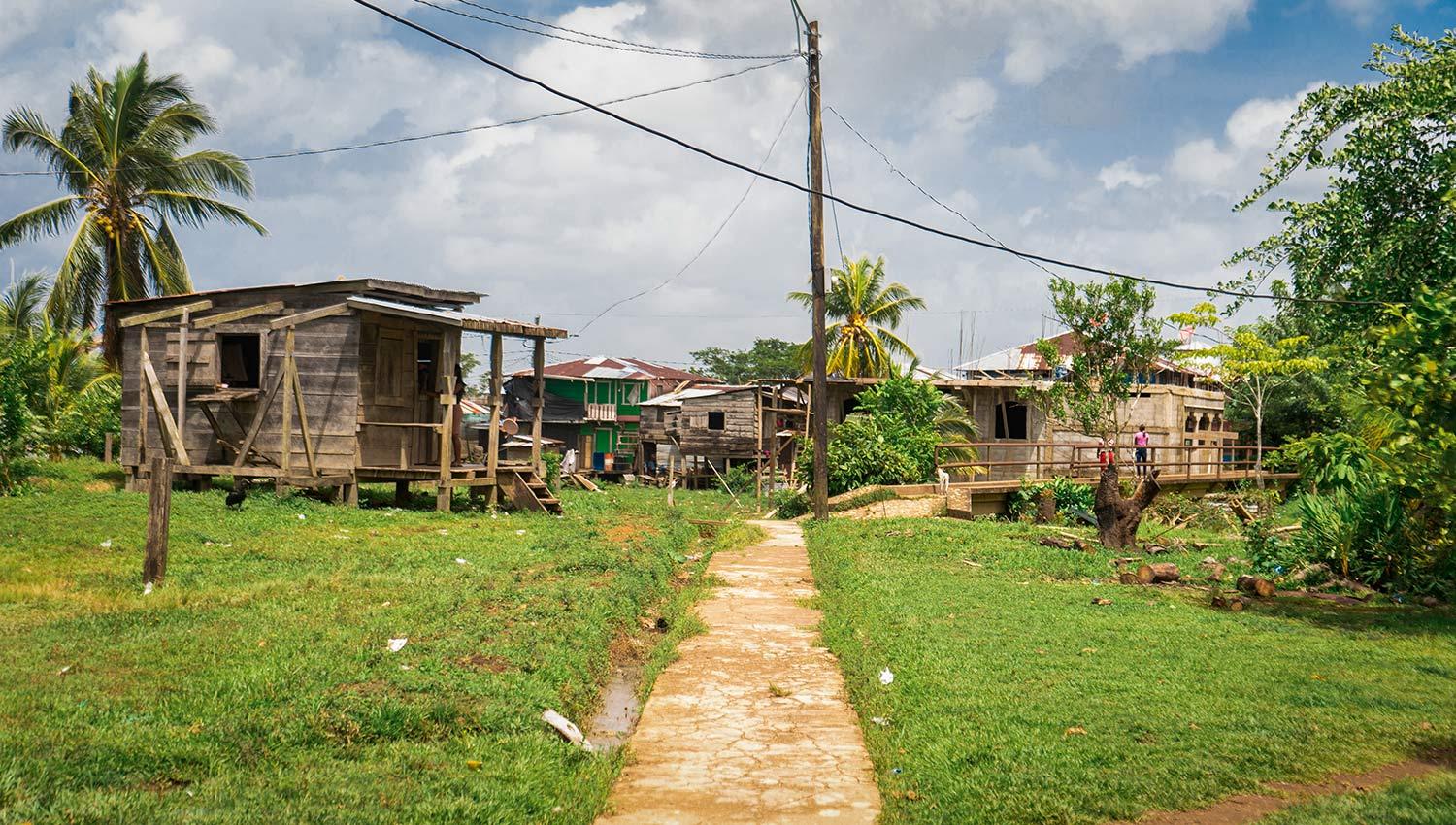
The Caribbean is a vibrant tapestry of cultures, landscapes, and lifestyles, where the rhythm of life can shift dramatically from one region to another. While the sun-soaked beaches and lively festivals often steal the spotlight, a deeper exploration reveals the diverse daily experiences of those living in rural versus urban communities. In this article, we’ll embark on a journey through the heart of the Caribbean, uncovering the nuances that define life in these contrasting environments. From the close-knit relationships and agricultural routines of rural villages to the bustling streets and urban conveniences of city life, we will delve into the everyday realities that shape the identities of Caribbean communities. Join us as we uncover the beauty, challenges, and unique characteristics of daily life across the islands.
Table of Contents
- Understanding the Culture and Traditions of Rural and Urban Caribbean Communities
- Comparing Economic Opportunities in Urban and Rural Settings
- Assessing Access to Education and Healthcare in Caribbean Regions
- Exploring Environmental Challenges and Sustainable Practices in Rural and Urban Areas
- In Summary
Understanding the Culture and Traditions of Rural and Urban Caribbean Communities
Rural Caribbean communities are often characterized by their strong connection to the land, where agriculture plays a vital role in daily life. Here, traditions are deeply woven into the fabric of community interactions, and local festivals are a celebration of heritage and collective identity. Common cultural practices in these areas include:
- Crop Harvest Festivals: Celebrated with music, dance, and food, highlighting local produce.
- Traditional Craftsmanship: Skills in weaving, pottery, and woodworking that are passed down through generations.
- Community Gatherings: Regular events that strengthen social ties, including church activities and local markets.
In contrast, urban Caribbean communities exhibit a diverse blend of cultural influences, often reflecting a fast-paced lifestyle. These areas serve as melting pots where various traditions coexist and evolve. Key aspects of urban culture include:
- Music and Entertainment: A thriving nightlife scene with genres like reggae, calypso, and soca dominating the soundscape.
- Culinary Diversity: Access to a variety of international cuisines alongside traditional Caribbean dishes.
- Art and Festivals: Regular art exhibits and festivals that showcase both local and international talent, enhancing cultural appreciation.
Comparing Economic Opportunities in Urban and Rural Settings
In the Caribbean context, urban communities often present a dynamic economic landscape characterized by a blend of traditional and contemporary industries. These areas typically have a greater variety of job opportunities, especially in sectors such as tourism, finance, and technology. Urban residents may find employment in:
- Hospitality Services: Hotels, restaurants, and entertainment venues
- Retail: Shopping malls and local markets
- Healthcare: Hospitals and clinics
- Education: Schools and universities
Conversely, rural communities offer economic opportunities that often revolve around agriculture, fisheries, and local craftsmanship. While these sectors may yield lower immediate financial returns compared to urban jobs, they promote self-sufficiency and sustainability. Additionally, rural entrepreneurs harness local resources to create unique products for both local and export markets, such as:
- Organic Farming: Fresh produce and herbs
- Fishery Products: Fresh and processed local seafood
- Artisanal Crafts: Handcrafted goods and traditional textiles
Assessing Access to Education and Healthcare in Caribbean Regions
In various Caribbean regions, the disparities between urban and rural communities significantly influence access to education and healthcare. Urban areas often benefit from better infrastructure, including more schools and clinics, which translates into higher enrollment rates and improved health services. Key factors that enhance urban accessibility include:
- Proximity: Schools and healthcare facilities are often within walking distance or a short commute.
- Resource Availability: Urban centers typically have more qualified teachers and healthcare professionals.
- Technology Access: Urban students can benefit from internet connectivity and educational technologies.
Conversely, rural communities frequently confront challenges that hinder equitable access. Limited transportation options and fewer facilities lead to increased travel times and lower attendance rates. Essential issues affecting rural regions include:
- Distance: Students may have to travel long distances to reach schools, often on foot.
- Lack of Resources: Schools may be underfunded, lacking supplies and qualified staff.
- Healthcare Availability: Rural areas often suffer from a scarcity of medical professionals and emergency services.
Exploring Environmental Challenges and Sustainable Practices in Rural and Urban Areas
Both rural and urban Caribbean communities face unique environmental challenges that stem from their differing lifestyles and developmental pressures. In urban areas, rapid population growth exacerbates issues like waste management, air pollution, and infrastructure strain. These challenges often result in contaminated water sources and increased greenhouse gas emissions. On the other hand, rural regions contend with the impacts of agricultural practices, which can lead to deforestation, soil degradation, and a loss of biodiversity. Community efforts to address these challenges include promoting awareness about sustainable resource management and advocating for policies that balance development with environmental preservation.
In an effort to combat these challenges, sustainable practices have emerged in both settings, showcasing innovative solutions tailored to their specific needs. Urban communities are increasingly adopting green roofing, community gardens, and improved public transportation systems to reduce their carbon footprint. Rural areas, meanwhile, are exploring organic farming, agroforestry, and the use of renewable energy sources, such as solar and wind power. Below is a comparative table highlighting initiatives taken by both types of communities to foster sustainability:
| Community Type | Sustainable Initiative | Environmental Benefit |
|---|---|---|
| Urban | Green Roofs | Reduces heat absorption and improves air quality |
| Urban | Community Gardens | Enhances food security and promotes biodiversity |
| Rural | Organic Farming | Improves soil health and reduces pesticide usage |
| Rural | Agroforestry | Increases biodiversity and captures carbon |
In Summary
As we conclude our exploration of daily life in rural versus urban Caribbean communities, it’s clear that both settings offer unique experiences shaped by their environments, cultures, and histories. Rural areas often embrace a slower pace, fostering close-knit relationships and a deep connection to the land, while urban centers pulsate with energy, diversity, and myriad opportunities that cater to various lifestyles.
Ultimately, whether one finds joy in the simplicity of country living or the vibrancy of city life, both worlds contribute to the rich tapestry of Caribbean identity. Understanding these differences not only enhances our appreciation for the region but also invites us to embrace the variations in daily life that make each community special.
We invite you to share your experiences or thoughts on the contrasting lifestyles we’ve discussed. Have you lived in both settings? What insights did you gain? Join the conversation below and help us continue exploring the beautiful complexities of Caribbean life. Thank you for reading!