


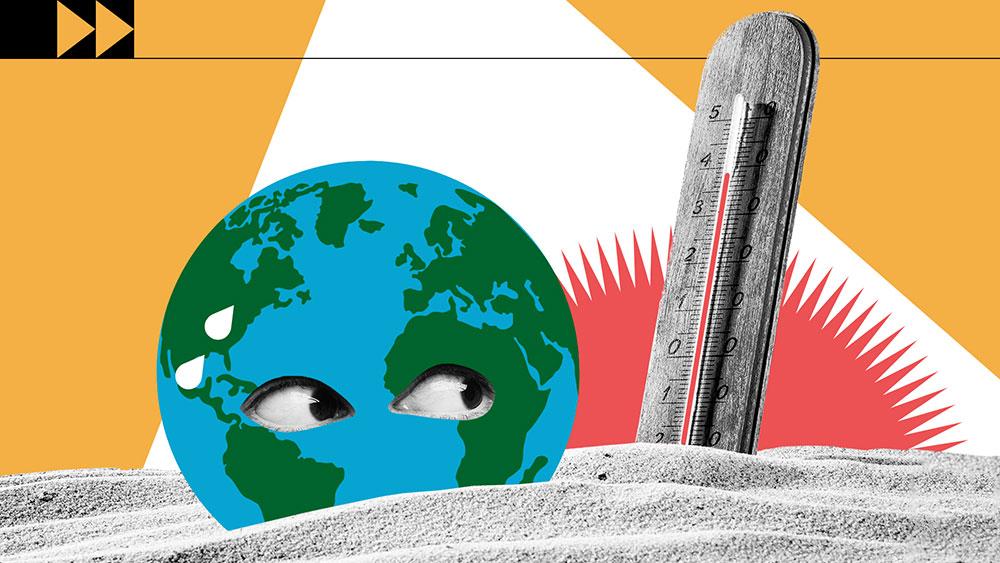
The Caribbean, often celebrated for its stunning landscapes, vibrant cultures, and rich biodiversity, is facing an existential crisis that threatens not only its natural beauty but also its economic vitality. As climate change accelerates, the region’s industries—from tourism and agriculture to fishing and energy—are grappling with unprecedented challenges. Rising sea levels, increasing temperatures, and more frequent extreme weather events are not just statistics; they represent a real and pressing threat to livelihoods and local economies. In this article, we will delve into the multifaceted impacts of climate change on Caribbean industries, examining how businesses are adapting and what urgent steps must be taken to secure a sustainable future. Join us as we navigate this crucial intersection of environmental science and economic resilience, shedding light on an issue that is not just local, but global in its implications.
Table of Contents
- Assessing the Vulnerability of Caribbean Tourism Amid Climate Change Challenges
- Revitalizing Agriculture: Sustainable Practices for a Resilient Future
- The Role of Renewable Energy in Transforming Caribbean Industries
- Policy Recommendations for Addressing Climate Impact on Local Economies
- Future Outlook
Assessing the Vulnerability of Caribbean Tourism Amid Climate Change Challenges
The Caribbean tourism sector is particularly vulnerable to the far-reaching impacts of climate change, which threatens both natural resources and the socio-economic stability of the region. The increasing frequency and intensity of extreme weather events such as hurricanes, rising sea levels, and ocean acidification pose significant risks to tourism infrastructure and local ecosystems. The reliance on beaches, coral reefs, and natural landscapes makes these elements essential for attracting visitors and sustaining local economies. In fact, studies have shown that tourism accounts for up to 15% of the region’s GDP, highlighting the economic implications of such environmental changes.
To better understand and mitigate these risks, stakeholders must prioritize adaptability and sustainability in their planning. Key strategies include:
- Implementing coastal protection measures to safeguard critical infrastructure.
- Diversifying tourism offerings to reduce dependence on vulnerable natural sites.
- Promoting eco-friendly practices that engage tourists in conservation efforts.
- Developing early warning systems for weather-related threats.
Governments, businesses, and communities must collaborate to create a resilient tourism framework. The table below outlines some of the potential impacts of climate change on Caribbean tourism, alongside adaptive measures that can be employed:
| Impact of Climate Change | Adaptive Measures |
|---|---|
| Increased hurricane activity | Strengthening building codes and infrastructure |
| Coral bleaching and marine degradation | Investing in marine protected areas |
| Decline in visitor numbers due to safety concerns | Enhancing marketing strategies focusing on safety and resilience |
| Sea-level rise affecting coastal resorts | Relocation or redesign of at-risk properties |
Revitalizing Agriculture: Sustainable Practices for a Resilient Future
As the Caribbean navigates the complex realities of climate change, it is essential to embrace sustainable agricultural practices that not only mitigate these adverse effects but also promote resilience within local communities. Innovative techniques such as crop rotation, agroforestry, and organic farming can enhance biodiversity, improve soil health, and reduce dependency on chemical fertilizers and pesticides. By prioritizing local food production and investing in the education of farmers about sustainable methods, the region can empower its agricultural sector to withstand climate fluctuations while ensuring food security for its growing population.
Moreover, diversifying crop types through the introduction of climate-resilient species is crucial for enhancing the adaptability of agriculture in the region. Farmers can focus on cultivating native plants that thrive in local conditions, reducing the risks associated with climate variability. An approach that integrates technology and traditional knowledge can significantly increase adaptive capacity. For instance, utilizing precision agriculture tools can optimize water usage, reduce waste, and increase yield outputs, ensuring that the agricultural industry remains robust amid climatic challenges. Here’s a table showcasing key sustainable practices and their potential benefits:
| Practice | Benefit |
|---|---|
| Crop Rotation | Improves soil fertility and prevents pest buildup |
| Agroforestry | Increases biodiversity and provides additional income sources |
| Organic Farming | Reduces chemical runoff and promotes soil health |
| Precision Agriculture | Enhances resource efficiency and maximizes yields |
The Role of Renewable Energy in Transforming Caribbean Industries
The Caribbean islands, known for their breathtaking natural beauty, are increasingly recognizing the necessity of harnessing renewable energy to revitalize their industries. By shifting to sustainable energy sources, such as solar, wind, and hydro power, these regions can significantly reduce their dependency on fossil fuels, which are not only costly but also contribute to environmental degradation. Adopting renewable energy solutions presents several key benefits for Caribbean industries, including:
- Cost Savings: Lower energy bills through decreased reliance on imported fuels.
- Job Creation: New employment opportunities related to the installation and maintenance of renewable energy systems.
- Environmental Responsibility: A reduced carbon footprint, appealing to eco-conscious consumers.
- Energy Security: Diversification of energy sources to protect against price volatility and supply disruptions.
Moreover, transitioning to renewable energy can spur innovation across various sectors. For example, the tourism industry can showcase eco-friendly resorts, while agriculture can utilize solar energy to power irrigation and processing. Governments in the Caribbean are beginning to recognise the potential of policy frameworks that support green energy investments. Here’s a quick comparison of some renewable energy initiatives across selected Caribbean nations:
| Country | Renewable Initiative | Projected Impact |
|---|---|---|
| Jamaica | Solar energy adoption in hotels | 20% of energy use reduction |
| Barbados | Wind farms development | 5% of national grid by 2025 |
| Dominica | Geothermal plant construction | Provides 50% of energy needs |
Policy Recommendations for Addressing Climate Impact on Local Economies
It is crucial for Caribbean nations to adapt their economic strategies to mitigate the adverse effects of climate change on local industries. Governments should prioritize investment in renewable energy sources, such as solar and wind, reducing dependency on fossil fuels and enhancing energy security. Furthermore, creating a regional task force dedicated to resilience planning can foster collaboration among countries, ensuring that resources are shared effectively. Policies should encourage sustainable tourism, which not only preserves the natural beauty that attracts visitors but also supports local communities by creating jobs and promoting local artisans. Additionally, establishing a framework for sustainable agricultural practices can safeguard food security while enabling farmers to adapt to changing climate conditions.
To support these initiatives, financial incentives, such as grants and low-interest loans, can spur innovation in climate-resilient technologies. Collaboration with international organizations can provide the necessary funding and expertise, particularly for smaller islands that may lack resources. Moreover, enhancing local capacity through education and awareness campaigns is vital for enabling communities to understand and respond to climate impacts effectively. The following table illustrates key sectors and their corresponding policy suggestions:
| Sector | Policy Suggestion |
|---|---|
| Tourism | Promote eco-friendly practices and certifications |
| Agriculture | Support research in climate-resilient crops |
| Fisheries | Implement sustainable catch limits |
| Energy | Invest in decentralized renewable energy systems |
Future Outlook
As we draw our exploration of climate change’s impact on Caribbean industries to a close, it’s clear that the challenges faced by this vibrant region are multifaceted and urgent. The Caribbean, renowned for its rich biodiversity and thriving culture, is at a critical juncture where the intersection of climate action and economic sustainability is more important than ever.
Industries such as tourism, agriculture, and fisheries—cornerstones of the Caribbean economy—must adapt to the changing environment to ensure their survival and, ultimately, the well-being of local communities. Innovative strategies, investment in sustainable practices, and effective policy implementations are essential not just for mitigating risks, but also for harnessing new opportunities that a green economy can offer.
As stakeholders—governments, businesses, and citizens alike—continue to navigate these turbulent waters, it is imperative to foster a collaborative spirit that prioritizes resilience and sustainability. The journey towards a more sustainable Caribbean is challenging, yes, but it is also filled with potential for growth and prosperity.
Let us remain vigilant and proactive as we champion initiatives that not only protect our industries but also preserve the unique culture and natural beauty of the Caribbean. After all, the actions we take today will determine the legacy we leave for future generations. Together, we can pave the way for a brighter, more sustainable Caribbean future. Thank you for joining us in this essential conversation.