


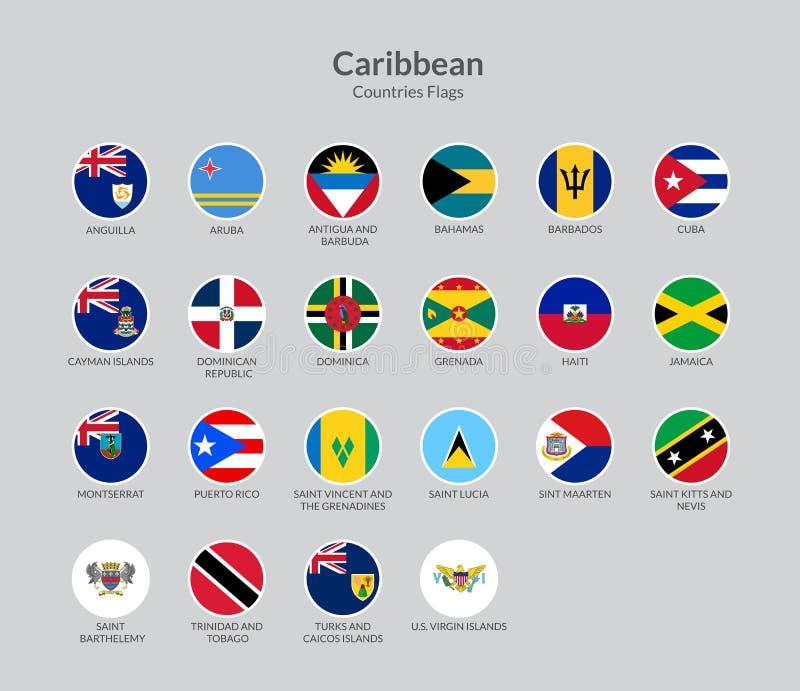
In the world of competitive sports, the Olympic Games have long served as a grand stage for nations to showcase their athletic prowess and cultural identity. Among the standout performers in recent Olympic history are the Caribbean nations, whose athletes have consistently impressed with their remarkable achievements and resilience. From the sprinting legends of Jamaica to the promising talents of the Bahamas and Trinidad and Tobago, Caribbean athletes have not only brought home an impressive array of medals but have also rewritten the narrative of what it means to compete on the world stage. This article explores the journey of success experienced by these nations, highlighting the factors that contribute to their athletic excellence, the challenges they face, and the inspirational stories that continue to emerge from this vibrant region. As we delve into the triumphs and trials that shape their Olympic endeavors, we celebrate the unwavering spirit and dedication of Caribbean athletes who continue to shine brightly on the international scene.
Table of Contents
- Caribbean Athletic Prowess: Dominance in Track and Field Events
- Nurturing Talent: The Role of National Sports Programs in the Caribbean
- Building a Sustainable Future: Investment Strategies for Sports Development
- Fostering Regional Collaboration: Strengthening Ties for Greater Olympic Success
- In Conclusion
Caribbean Athletic Prowess: Dominance in Track and Field Events
Across the vibrant landscapes of the Caribbean, a legacy of athletic excellence flourishes, particularly in track and field events. The warm climate and a culture steeped in sport contribute to the region’s dominance on the world stage, with athletes showcasing remarkable speed, agility, and endurance. The commitment to physical fitness is deeply rooted in Caribbean communities, leading to a series of achievements that include:
- World Records: Numerous Caribbean athletes hold world records, setting benchmarks in various sprinting events.
- Medal Count: As nations like Jamaica and Trinidad & Tobago dominate international competitions, they consistently bring home an impressive number of medals.
- Emerging Talents: Upcoming athletes are rapidly making a name for themselves, indicating a bright future for Caribbean track and field.
The success of Caribbean athletes isn’t merely a product of individual prowess; it stems from robust training programs and support systems. National and regional competitions nurture talent, while experienced coaches impart essential skills and strategies. A brief overview of notable achievements from recent Olympic Games highlights this ongoing success:
| Country | Gold Medals | Silver Medals | Bronze Medals |
|---|---|---|---|
| Jamaica | 33 | 20 | 26 |
| Trinidad & Tobago | 5 | 5 | 11 |
| The Bahamas | 9 | 9 | 7 |
Nurturing Talent: The Role of National Sports Programs in the Caribbean
The Caribbean region possesses an incredible wealth of sporting talent, and national sports programs play a pivotal role in unearthing and nurturing this potential. These programs are designed not only to provide training and resources but also to create a structured pathway for young athletes to develop their skills. By investing in facilities, coaching staff, and educational resources, national sports organizations are effectively setting the stage for future Olympians. Such initiatives ensure that promising athletes receive the necessary support, guiding them through the complexities of competitive sports.
Furthermore, national sports programs foster a sense of community and pride, engaging not just the athletes, but the broader population in the process. Initiatives often include:
- Grassroots Development: Programs aimed at introducing sports to children from an early age.
- Scholarships: Financial assistance for talented athletes to pursue their training and education.
- Coaching Clinics: Workshops and training for coaches to improve skills and strategies.
- Partnerships: Collaborations with international sports bodies for knowledge exchange.
Through these efforts, Caribbean nations are cultivating not just individual athletes but a culture of excellence that resonates at the Olympic level. The results speak for themselves, as nations like Jamaica, Trinidad and Tobago, and the Bahamas continue to excel on the world stage, illustrating the transformative impact of dedicated national sports programs.
Building a Sustainable Future: Investment Strategies for Sports Development
As Caribbean nations continue to dazzle on the Olympic stage, a focused approach to investment in sports development has emerged as a pivotal strategy for sustaining this success. Investment in athletic infrastructure not only enhances the competitive edge of athletes but also fosters community engagement and youth participation in sports. Key strategies include:
- Enhancing Facilities: Upgrading training facilities and sports complexes across the region to meet international standards.
- Funding Programs: Allocating financial resources to grassroots programs aimed at nurturing emerging talent.
- Partnerships: Collaborating with private sectors and international organizations to secure funding and expertise.
Furthermore, a systematic approach to athlete development can create a sustainable pipeline of talent. This includes mentorship programs, access to coaching clinics, and investment in health and nutrition education. To illustrate the potential impact of these strategies, here is a simple overview of the anticipated benefits:
| Strategy | Expected Outcome |
|---|---|
| Enhanced Facilities | Improved performance and reduced injury rates |
| Funding Programs | Increased participation rates among youth |
| Partnerships | Access to global expertise and resources |
Fostering Regional Collaboration: Strengthening Ties for Greater Olympic Success
The Caribbean region has long been a melting pot of talent and potential in the world of athletics, particularly in the Olympic arena. To harness this talent effectively, fostering collaboration among Caribbean nations is essential. By creating strategic partnerships and sharing resources, these nations can capitalize on their collective strengths. Joint training programs and shared facilities can enhance athletes’ capabilities, while cross-national competitions can provide invaluable experience and exposure. The establishment of an Olympic Task Force dedicated to pooling resources and expertise will ensure that athletes from small Caribbean countries receive the support they need to excel on the global stage.
Furthermore, increased collaboration can lead to greater visibility and branding opportunities for the region. Nations can work together to promote their athletic achievements through joint marketing campaigns, effectively highlighting the Caribbean’s rich history of Olympians. Collaborative efforts can also extend to sponsorship deals, where combined advertising strategies present a more attractive proposition for potential corporate partners. This collective approach not only elevates the individual nations but also enhances the Caribbean’s reputation as a formidable force in global sports. By strengthening ties and uniting efforts, the Caribbean can unlock its full potential on the Olympic stage.
In Conclusion
the remarkable achievements of Caribbean nations at the Olympics serve as a testament to the dedication, talent, and resilience of their athletes. From sprinting legends to teams showcasing extraordinary teamwork, the Caribbean has solidified its reputation on the global stage. As these nations continue to inspire future generations through sport, their commitment to excellence not only enriches their communities but also fosters a sense of pride that resonates across the region. The journey of success is far from over; with ongoing investments in sports and youth development, the Caribbean can look forward to even greater triumphs in the years to come. As we celebrate these milestones, we are reminded of the enduring spirit of unity and perseverance that characterizes the Caribbean, making it a formidable presence at the Olympics and beyond.