


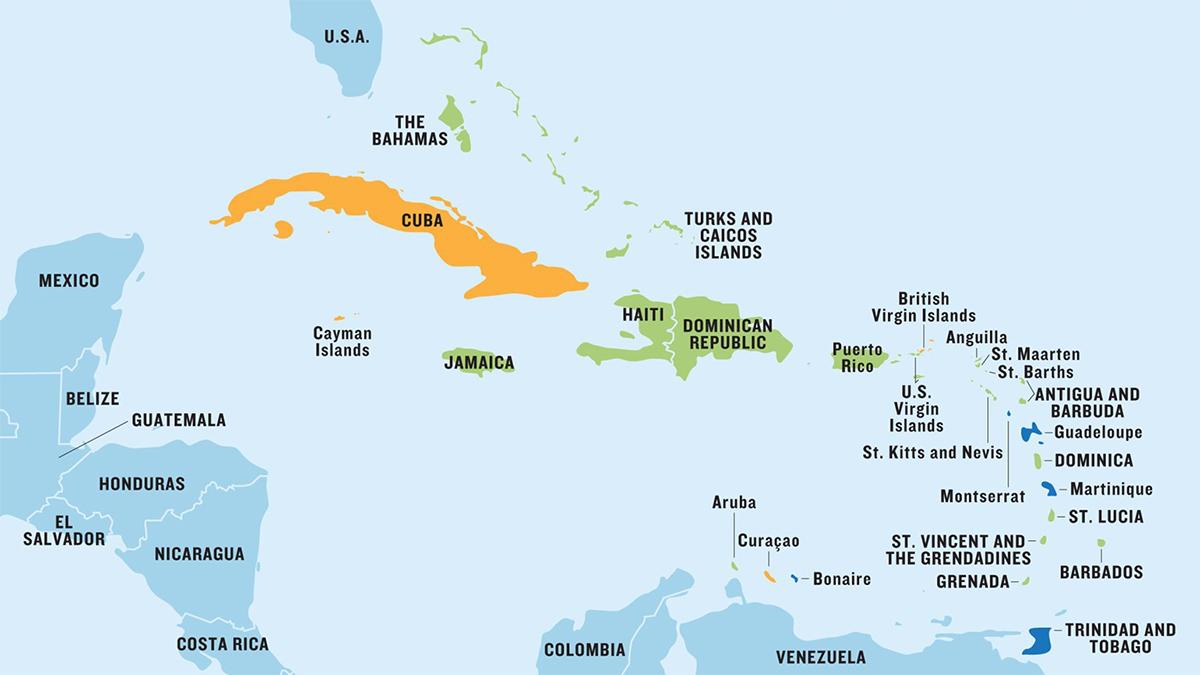
In an increasingly globalized world, the Caribbean diaspora finds itself at the intersection of cultures, navigating the complexities of dual identities that shape their experiences and perspectives. From the vibrant streets of London to the bustling neighborhoods of New York City, Caribbean individuals grapple with a profound sense of belonging that transcends geographical boundaries, reflecting both their heritage and the influences of their adopted environments. This article delves into the intricate tapestry of identities woven by members of the Caribbean diaspora, exploring the challenges and triumphs they encounter in balancing their cultural roots with the realities of life in foreign lands. By examining personal narratives, community dynamics, and the broader socio-political context, we aim to shed light on how these multifaceted identities inform their contributions to society and foster a rich dialog about identity in an ever-evolving world.
Table of Contents
- Understanding the Complexity of Dual Identities in the Caribbean Diaspora
- Challenges Faced by the Caribbean Diaspora in Balancing Cultural Heritage and Integration
- Strategies for Empowering Caribbean Diaspora Communities to Embrace Dual Identities
- Fostering Intercultural Dialogue and Support Networks Among Caribbean Diaspora Members
- In Conclusion
Understanding the Complexity of Dual Identities in the Caribbean Diaspora
The Caribbean diaspora presents a unique landscape of identities shaped by a rich tapestry of cultures, languages, and experiences. For many individuals who have migrated from these islands, the challenge of integrating two distinct cultural identities becomes a defining aspect of their journey. Navigating this complexity often involves balancing the traditional values, languages, and customs inherited from their Caribbean heritage with the influences of their new environment. This duality can manifest in various aspects of life, from personal relationships to professional interactions and community participation. The negotiation between these identities can sometimes lead to feelings of alienation or a sense of belonging that is constantly shifting.
Aspects of this dual identity can be further elucidated through the following considerations:
- Cultural Expression: The blending of Caribbean art, music, and cuisine with local customs often leads to innovative forms of expression.
- Language Duality: Bilingualism may enrich personal and professional interactions but can also create a sense of disconnection when navigating between different linguistic contexts.
- Community Engagement: Participation in both Caribbean-based organizations and broader communities can enhance social networks yet complicate the definition of one’s ‘home’.
| Identity Aspect | Impact |
|---|---|
| Cultural Background | Shapes worldview and social connections. |
| Environment | Influences professional opportunities and community integration. |
| Personal Relationships | Navigates friendships and familial ties between cultures. |
Challenges Faced by the Caribbean Diaspora in Balancing Cultural Heritage and Integration
The Caribbean diaspora faces a unique set of challenges as it strives to maintain cultural heritage while navigating life in diverse host countries. For many, the struggle lies in preserving traditional customs, language, and social practices that define Caribbean identity, which can be threatened by the pressures of assimilation. In these instances, community events such as carnivals, cultural festivals, and storytelling nights serve as vital avenues for fostering connection among members and passing traditions to future generations. However, the paradox of integration arises; while these gatherings strengthen cultural bonds, the desire for acceptance in mainstream society can lead to a dilution of practices that are often viewed as “foreign.”
Moreover, individuals often find themselves negotiating dual identities, grappling with feelings of belonging and alienation. The duality can lead to psychological stress as they move between cultural norms. Notably, individuals may experience conflicting expectations from their home community and the new society, which can manifest in various ways:
- Language Barriers: Difficulty in expressing oneself fluently in both languages often creates a sense of isolation.
- Social Networks: Establishing new friendships can be challenging when cultural references differ significantly.
- Commercialization of Culture: Increased commercialization of Caribbean cultural elements may feel disingenuous to those who grew up within the traditions.
| Challenge | Impact |
|---|---|
| Preserving Language | Loss of cultural expression |
| Community Connection | Feeling of isolation |
| Maintaining Traditions | Generational gaps in knowledge |
Strategies for Empowering Caribbean Diaspora Communities to Embrace Dual Identities
Empowering Caribbean diaspora communities to embrace dual identities involves fostering a sense of belonging and cultural pride. Initiatives that highlight the value of both identities can create an environment where individuals feel confident in their multicultural backgrounds. Here are several effective strategies:
- Community Workshops: Organizing workshops that focus on cultural storytelling, art, and music celebrates ancestral heritage while recognizing the new cultural elements present in their lives.
- Mentorship Programs: Connecting younger members of the diaspora with mentors who have successfully navigated dual identities can provide guidance and inspiration.
- Social Media Campaigns: Leveraging social media to share stories of dual identity experiences can foster a larger conversation and platform for dialog.
- Cultural Festivals: Hosting events that merge Caribbean traditions with local customs allows community members to openly express their biculturalism.
Additionally, involving local institutions can significantly enhance initiatives aimed at strengthening dual identities. Collaboration with schools and community organizations can facilitate programming that supports holistic integration. An example of such collaboration could include:
| Institution | Collaboration Type | Expected Outcomes |
|---|---|---|
| Local Universities | Cultural Exchange Programs | Increased cultural awareness and education. |
| Chambers of Commerce | Entrepreneurial Workshops | Empowerment through business opportunities. |
| Art Institutions | Exhibitions and Performances | Showcasing diverse narratives and heritage. |
Fostering Intercultural Dialogue and Support Networks Among Caribbean Diaspora Members
Within the Caribbean diaspora, fostering a sense of community and belonging is essential for navigating the complexities of dual identities. By creating platforms for intercultural dialog, individuals can bridge the gap between their heritage and their current environment. Support networks, which leverage technology and local resources, play a crucial role in connecting members of the diaspora. These networks often include:
- Virtual forums that allow for discussion and sharing of experiences across borders.
- Community events, such as cultural festivals, where traditions can be celebrated and shared.
- Mentorship programs that offer guidance to younger generations facing similar challenges.
Moreover, the importance of establishing strong interpersonal relationships among diaspora members cannot be overlooked. Engaging in collective activities fosters a sense of solidarity and mutual understanding. Below is an example table showing common themes discussed within these networks:
| Theme | Description |
|---|---|
| Cultural Identity | Exploring personal narratives and heritage. |
| Social Integration | Strategies for adapting to new environments. |
| Empowerment | Encouraging self-advocacy and representation. |
In Conclusion
understanding the complexities of dual identities within the Caribbean diaspora requires acknowledging the rich tapestry of cultural influences and experiences that shape individual narratives. As Caribbean individuals navigate the intricate interplay between their heritage and their adopted homes, they contribute to a broader discussion on identity, belonging, and community. The varied perspectives highlighted in this exploration serve not only to illuminate the challenges faced by those living between worlds, but also to celebrate the resilience and creativity that emerges from this unique positioning. Ultimately, fostering dialog around these experiences is essential for promoting inclusivity and understanding within multicultural societies, ensuring that the voices and stories of the Caribbean diaspora continue to resonate and enrich the global conversation.