


Introduction
The Caribbean, with its breathtaking turquoise waters and vibrant marine ecosystems, has long been a region synonymous with rich culinary traditions and diverse fishing practices. However, as the pressures of overfishing, climate change, and habitat degradation mount, it is more crucial than ever for Caribbean communities to embrace sustainable fishing and eating. This shift not only aims to protect the delicate balance of marine life but also ensures that future generations can continue to enjoy the region’s bountiful ocean resources. In this article, we will explore the significance of sustainable fishing practices in the Caribbean, highlight communities that are leading the way, and offer insights into how each of us can contribute to a healthier ocean and a more sustainable food system. Join us as we delve into the interconnectedness of seafood choices, cultural heritage, and environmental stewardship in these beautiful island nations.
Table of Contents
- Understanding the Importance of Sustainable Fishing Practices in the Caribbean
- Promoting Local Fish Species to Support Ecosystem Health and Community Economies
- Incorporating Sustainability into Traditional Caribbean Cuisine
- Educating Communities and Visitors on Responsible Seafood Consumption
- Concluding Remarks
Understanding the Importance of Sustainable Fishing Practices in the Caribbean
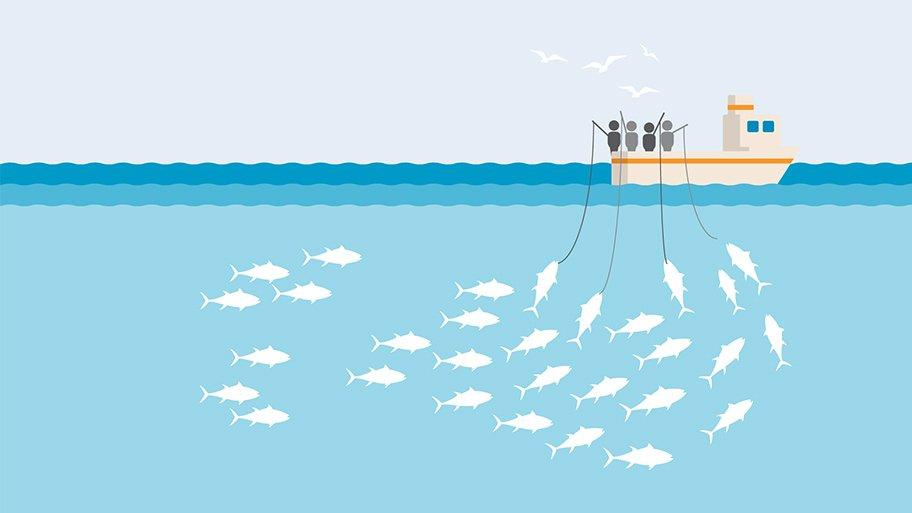
The Caribbean, known for its vibrant marine ecosystems, faces significant threats from overfishing and poor fishing practices. Implementing sustainable fishing methods is crucial not only for preserving the diverse aquatic life but also for ensuring the long-term viability of local fishing communities. Sustainable fishing focuses on maintaining fish populations at healthy levels, protecting habitats, and minimizing bycatch, which ultimately supports economic stability in the region. By embracing these practices, Caribbean communities can enhance their resilience against the uncertain impacts of climate change while fostering an environment where both marine life and human populations thrive.
To promote sustainable fishing, it is essential for local fishermen and consumers to work collaboratively. Education and awareness initiatives can empower communities to understand the importance of choosing sustainably sourced seafood, leading to more informed purchasing decisions. Here are key practices that can be adopted:
- Utilizing selective fishing gear to reduce bycatch
- Adopting catch shares to limit overfishing
- Participating in local conservation programs
- Supporting initiatives for marine protected areas
| Fishing Practice | Benefits |
|---|---|
| Selective Fishing Gear | Reduces accidental catch of non-target species |
| Catch Limits | Prevents overexploitation of fish stocks |
| Community Awareness | Encourages sustainable consumer choices |
| Marine Reserves | Pockets of habitat for species recovery |
Promoting Local Fish Species to Support Ecosystem Health and Community Economies
Promoting local fish species is crucial for maintaining the ecological balance of Caribbean marine ecosystems. By focusing on indigenous fish varieties, communities can enhance biodiversity while ensuring the health of their coastal environments. Sustainable practices such as local fishing initiatives help to prevent overfishing and support the recovery of native species, contributing to a resilient ecosystem. This approach not only reveres local traditions but also fosters a deeper connection between community members and their natural resources, emphasizing the importance of environmental stewardship in everyday life.
Supporting local fish species also positively impacts community economies, creating a synergy between cultural heritage and the marketplace. By encouraging consumers to choose local options, communities can strengthen their economic ties and ensure that profits circulate within the local economy. To illustrate the benefits of selecting local fish, consider the following comparison:
| Aspect | Local Fish Species | Imported Fish Species |
|---|---|---|
| Sustainability | Higher | Lower |
| Support for Local Economy | Significant | Minimal |
| Freshness | High | Variable |
| Flavor & Quality | Distinct | Generic |
By choosing local species, consumers not only enjoy fresher and more flavorful meals but also contribute to the sustainability of fisheries and the economic resilience of their communities. Engaging in this practice fosters a sense of community pride, encourages responsible fishing practices, and highlights the importance of preserving Caribbean marine life for future generations.
Incorporating Sustainability into Traditional Caribbean Cuisine
The rich tapestry of Caribbean cuisine is deeply intertwined with local traditions, vibrant culture, and, crucially, the natural environment. As sustainability becomes increasingly essential in our consumption choices, incorporating eco-friendly practices into traditional dishes not only preserves the heritage of Caribbean cooking but also protects the marine ecosystems that provide these foundational ingredients.
Ways to Incorporate Sustainable Practices:
- Choose Local and Seasonal Ingredients: Focusing on what’s in season reduces the carbon footprint.
- Opt for Smaller Fish Species: Catching fish that are abundant helps maintain the balance of ocean ecosystems.
- Utilize Bycatch Creatively: Reinventing lesser-used species can promote responsible fishing practices.
By adopting such practices, communities can revitalize traditional recipes while ensuring that future generations can enjoy their culinary heritage. Embracing plants that are easy to cultivate, such as callaloo and cassava, not only emphasizes local agriculture but also diminishes the reliance on imported goods. Engaging in community-supported fisheries offers an excellent solution, where local fishermen can provide fresh catches directly to consumers, building a more resilient food system.
| Traditional Dish | Sustainable Substitute |
|---|---|
| Fish Escovitch | Mackerel or Lionfish |
| Conch Fritters | Farmed Scallops |
| Jerk Chicken | Locally-raised Heritage Breeds |
Educating Communities and Visitors on Responsible Seafood Consumption
In the stunning Caribbean, where azure waters teem with a bounty of marine life, understanding responsible seafood consumption is paramount. Community-led initiatives are fostering awareness among locals and tourists alike about the ecological significance of choosing sustainably sourced seafood. By educating community members through workshops and interactive sessions, individuals can learn about the impact of overfishing and the importance of supporting local fisheries that adhere to environmentally friendly practices. This knowledge empowers consumers to make informed choices that not only protect local ecosystems but also support the livelihoods of fishermen who practice sustainable methods.
Visitors are encouraged to delve deeper into the cultural heritage surrounding seafood consumption in the Caribbean. Restaurants and vendors can play a pivotal role by clearly marking which dishes feature sustainably sourced ingredients. A simple guide might include:
- Local Species: Eating fish that are abundant and caught locally.
- Eco-Friendly Restaurants: Supporting establishments that prioritize sustainable practices.
- Seasonal Eating: Consuming seafood that is in season to avoid strain on overfished species.
To further illustrate the impact of sustainable practices, a table highlighting popular sustainable seafood options can be beneficial:
| Seafood Item | Best Practices |
|---|---|
| Mahi Mahi | Caught using troll or pole-and-line methods. |
| Snapper | Farmed or caught using sustainable nets. |
| Conch | Harvested from well-managed fisheries. |
Through collective efforts focused on education, Caribbean communities and their visitors can engage in supporting sustainable seafood consumption that respects marine life, promotes biodiversity, and preserves cultural practices for generations to come.
Concluding Remarks
As we conclude our exploration of sustainable fishing and eating practices in Caribbean communities, it becomes clear that the commitment to preserving our natural resources is not just a trend but a necessity. By embracing sustainable methods, we not only protect the vibrant marine ecosystems that define the Caribbean but also ensure the well-being of our communities and future generations.
The stories of local fishermen, chefs, and community leaders illustrate a collective movement towards sustainability that can inspire us all. Whether it’s through supporting local fisheries, choosing sustainable seafood options, or educating ourselves and others about the importance of these practices, each of us can contribute to this vital cause.
So, the next time you enjoy a meal from the sea, consider where it came from and the story behind it. Together, let’s champion the message of sustainability, not just for the rich cultural heritage of the Caribbean but for the health of our planet as a whole. Eating in harmony with nature is not just an option—it’s our responsibility. Thank you for joining us on this journey, and we encourage you to continue the conversation in your own communities.