


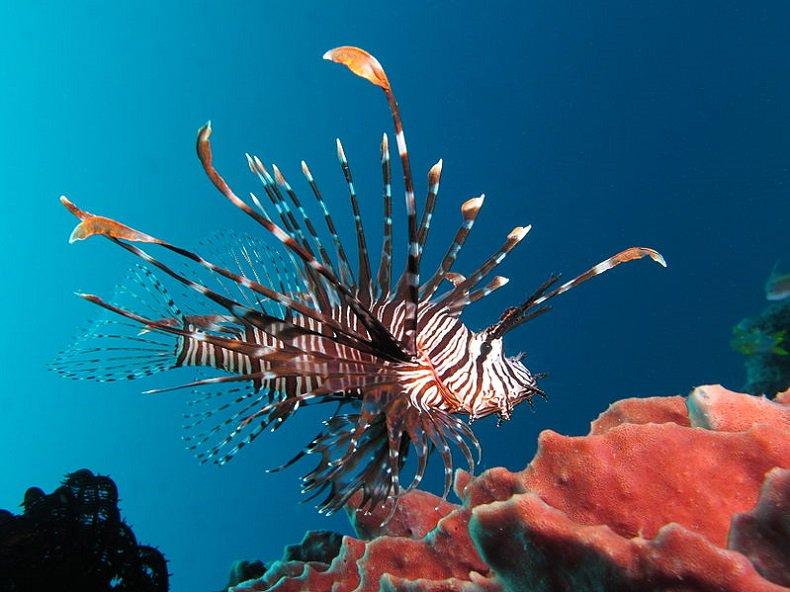
Nestled between the shimmering blue seas and the golden sands, the Caribbean islands boast some of the most diverse and vibrant ecosystems on our planet. From the lush tropical rainforests of Jamaica to the vibrant coral reefs surrounding the Bahamas, the Caribbean is a treasure trove of biodiversity that plays a crucial role in the health of our global environment. In this article, we will delve into the unique ecosystems that thrive in this stunning region, examining the intricate relationships between flora, fauna, and their habitats. As stewards of these natural wonders, understanding the intricate balance of the Caribbean environment becomes imperative—not just for conservation efforts, but for appreciating the rich tapestry of life that these islands offer. Join us on this journey as we explore the beauty, complexity, and fragility of Caribbean ecosystems, and discover how they shape our understanding of ecological interconnectedness and sustainability.
Table of Contents
- Exploring the Coral Reefs: Biodiversity and Conservation Strategies
- Rediscovering Mangroves: Their Role in Coastal Protection and Habitat Preservation
- The Treasures of the Tropics: Sustainable Practices for Caribbean Agriculture
- Engaging Local Communities: Empowering Residents for Environmental Stewardship
- Key Takeaways
Exploring the Coral Reefs: Biodiversity and Conservation Strategies
The Caribbean coral reefs are among the most diverse ecosystems on the planet, harboring an astonishing variety of marine life. These underwater gardens serve as homes to thousands of species, including colorful fish, vibrant corals, crustaceans, and a multitude of invertebrates. The intricate relationships formed within this biodiversity contribute to the overall health of the marine environment. Among these relationships, symbiosis plays a crucial role, particularly between corals and the algae known as zooxanthellae, which provide the corals with energy through photosynthesis. However, the resilience of these reefs is under constant threat from climate change, pollution, and overfishing, which disrupt these delicate ecosystems.
In response to these challenges, several conservation strategies have been implemented to protect and restore coral reefs across the Caribbean. These initiatives include the establishment of marine protected areas (MPAs), which restrict detrimental activities and promote sustainable tourism. Additionally, efforts such as coral gardening and fragging are being used to cultivate and reintroduce coral species to damaged reefs. The following table summarizes key conservation strategies and their impacts:
| Conservation Strategy | Description | Impact |
|---|---|---|
| Marine Protected Areas (MPAs) | Designated zones that limit fishing and other harmful activities. | Boosts biodiversity, promotes recovery of fish populations. |
| Coral Gardening | Propagation and planting of corals in degraded areas. | Enhances coral cover and ecosystem resilience. |
| Awareness Campaigns | Education programs targeting locals and tourists. | Encourages responsible behavior and conservation support. |
Rediscovering Mangroves: Their Role in Coastal Protection and Habitat Preservation
The Caribbean’s coastline is adorned with lush mangrove forests, which serve as critical buffers against the elements. These unique ecosystems provide natural barriers that absorb storm surges and reduce the impact of waves, protecting coastal communities from erosion and extreme weather events. The intricate root systems of mangroves trap sediments and stabilize shorelines, making them invaluable in the face of rising sea levels and increasingly severe storms. Additionally, by acting as a natural filter, mangroves improve water quality by trapping pollutants and nutrients, fostering a healthier marine environment for the diverse species that inhabit these coastal regions.
Beyond their protective roles, mangroves are biodiversity hotbeds that support a multitude of species. Fish, crustaceans, and various mollusks thrive in the rich waters surrounding these forests, relying on the roots for shelter and nursery grounds. Additionally, numerous bird species find refuge in mangrove canopies, transforming these areas into important habitats for wildlife. Key benefits include:
- Habitat for Endangered Species: Many threatened species depend on mangroves for survival.
- Carbon Sequestration: Mangroves are capable of storing significant amounts of carbon, helping to mitigate climate change.
- Economic Opportunities: Sustainable fishing practices and eco-tourism can thrive in healthy mangrove ecosystems.
To illustrate the benefits provided by mangroves, consider the following:
| Benefit | Description |
|---|---|
| Coastal Protection | Reduces wave energy, preventing coastal erosion |
| Water Filtration | Traps pollutants and enhances water quality |
| Habitat Creation | Supports diverse marine and bird species |
Understanding and conserving these ecosystems is vital for maintaining the ecological balance of Caribbean coastlines, ensuring that both nature and coastal communities flourish hand-in-hand.
The Treasures of the Tropics: Sustainable Practices for Caribbean Agriculture
The Caribbean is a vibrant tapestry of ecosystems, where diverse climates and rich soils coalesce to create a unique agricultural landscape. Embracing sustainable practices is essential for preserving these natural treasures while ensuring food security and economic vitality. Farmers in the region are increasingly adopting techniques that are environmentally friendly and economically viable, establishing a stronger connection between agriculture and the tropics. Essential practices include:
- Agroforestry: Integrating trees with crops and livestock to enhance biodiversity and soil health.
- Organic Farming: Utilizing natural inputs to promote soil fertility and reduce chemical dependence.
- Crop Rotation: Alternating different crops to improve soil structure and decrease pest outbreaks.
- Rainwater Harvesting: Collecting and storing rainwater for irrigation purposes, thereby conserving freshwater resources.
These methods not only restore ecological balance but also empower local communities by providing new economic opportunities. The commitment to sustainability reflects in the cultivation of native crops such as ackee, breadfruit, and callaloo, which are not only culturally significant but also resilient to climate variability. Farmers are now embracing technology to enhance these practices, utilizing tools for monitoring soil moisture and implementing integrated pest management systems. This allows for a data-driven approach, improving yields while minimizing ecological footprints. The following table highlights some native crops and their benefits:
| Crop | Benefits |
|---|---|
| Ackee | Rich in nutrients, cultivable in poor soils. |
| Breadfruit | High yield, climate resilient, and provides food security. |
| Callaloo | Nutrient-dense; adaptable to various growing conditions. |
Engaging Local Communities: Empowering Residents for Environmental Stewardship
The vibrant ecosystems of the Caribbean are not only breathtakingly beautiful but also crucial to the survival of countless species and the well-being of local communities. Engaging residents in environmental stewardship offers a pathway for preserving these rich environments while empowering them to take ownership of their natural resources. By promoting awareness and understanding, we can foster a sense of responsibility among community members. Some effective approaches include:
- Workshops and Educational Programs: Facilitating hands-on learning opportunities that focus on local biodiversity and its importance.
- Community Clean-Up Events: Organizing regular initiatives to remove litter and restore natural habitats.
- Citizen Science Projects: Encouraging locals to participate in data collection for environmental research, thereby increasing their investment in local ecosystems.
Furthermore, collaboration between local organizations and residents is essential. By developing initiatives tailored to specific community needs, we can help cultivate a culture of stewardship that resonates deeply within each neighborhood. Below is a sample framework for community engagement:
| Activity | Description | Expected Outcome |
|---|---|---|
| Eco-Tours | Guided tours showcasing local flora and fauna. | Increased appreciation and awareness of biodiversity. |
| Garden Projects | Establishing community gardens to promote sustainable practices. | Enhanced local food security and community bonding. |
| Advocacy Campaigns | Raising awareness about conservation issues affecting the region. | Increased community participation in environmental governance. |
Key Takeaways
As we conclude our journey through the vibrant ecosystems of the Caribbean, it’s clear that this region is far more than just a picturesque vacation destination. It is a remarkable tapestry of life, where lush rainforests, intricate coral reefs, and diverse wildlife intertwine to create one of the most biologically rich environments on the planet.
Understanding and preserving these delicate ecosystems is crucial not only for the wildlife that call them home but also for the millions of people who rely on them for their livelihoods. Whether you are an avid traveler, a conservationist, or simply a nature enthusiast, there are countless ways you can contribute to the sustainability of the Caribbean.
From supporting local conservation initiatives to practicing responsible tourism, every small action counts. As we all navigate the path toward a more sustainable future, let us remember that our love for these vibrant ecosystems should inspire us to protect them for generations to come. We hope this exploration has ignited your passion for the natural wonders of the Caribbean and motivated you to play an active role in safeguarding its incredible heritage. Until next time, let’s keep advocating for the beauty and biodiversity of our planet!