


Exploring
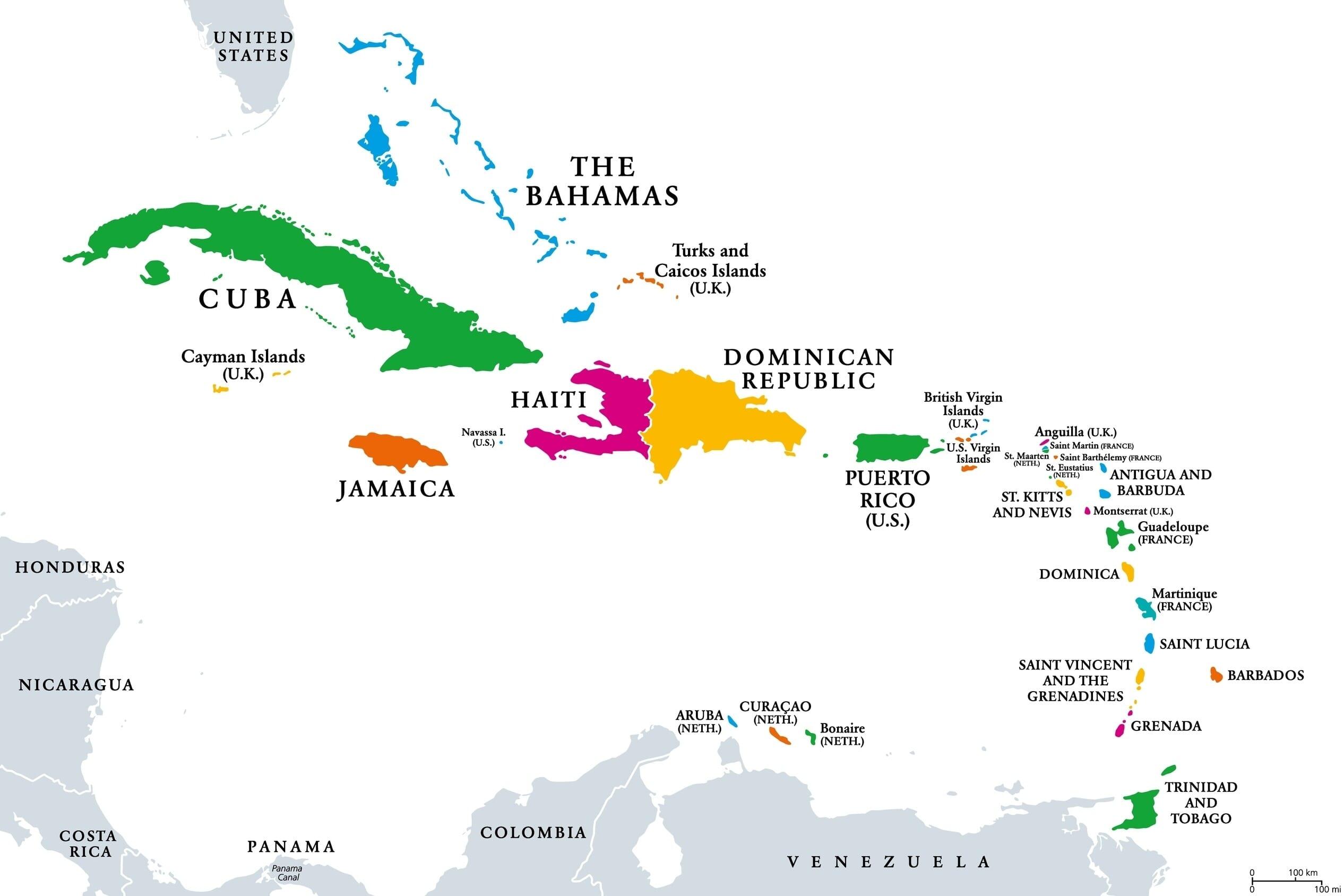
As the sun-soaked shores of the Caribbean beckon with their azure waves and vibrant ecosystems, a quieter but no less compelling story unfolds beneath the palm fronds. The Caribbean islands, often celebrated for their stunning beauty and rich cultures, are stepping into the spotlight for another reason: their groundbreaking efforts in sustainable development. Faced with unique challenges such as climate change, economic inequality, and preservation of biodiversity, these islands are not only adapting but are leading the way in innovative solutions that prioritize both environmental integrity and socio-economic growth. In this article, we will delve into the pioneering initiatives that showcase the Caribbean’s commitment to sustainability, highlighting the inspiring projects and visionary leadership that position these islands as global models for responsible development. Join us as we explore how the convergence of tradition and modernity is shaping a sustainable future for the Caribbean and setting a precedent for regions worldwide.
Table of Contents
- Exploring the Unique Challenges of Caribbean Sustainability
- Innovative Renewable Energy Solutions in Island Communities
- Empowering Local Economies Through Eco-Tourism Strategies
- Strengthening Regional Collaboration for Sustainable Development Goals
- Wrapping Up
Exploring the Unique Challenges of Caribbean Sustainability
The Caribbean region is facing a multitude of sustainability challenges that stem from its unique geographical and socio-economic context. The effects of climate change are particularly pronounced in these islands, leading to severe weather events such as hurricanes and rising sea levels, which threaten both natural ecosystems and human settlements. Additionally, the limited natural resources available compel islands to find innovative ways to balance development with environmental protection. The reliance on tourism as a key economic driver puts immense pressure on local ecosystems, making it essential for initiatives to address overexploitation and habitat degradation.
In light of these challenges, various stakeholders—governments, NGOs, and community organizations—are working collaboratively to implement sustainable practices. Initiatives such as renewable energy projects, waste management improvements, and sustainable agriculture programs aim to create a more resilient future. Some key strategies being adopted include:
- Community Engagement: Involving local populations in decision-making processes to ensure that solutions are culturally relevant and widely accepted.
- Eco-tourism: Promoting tourism models that focus on conservation and education, allowing locals to benefit economically while preserving their natural heritage.
- Marine Protection: Establishing marine protected areas to safeguard vital ecosystems and promote biodiversity.
| Challenge | Sustainable Initiative |
|---|---|
| Climate Change | Renewable Energy Investments |
| Overfishing | New Fisheries Regulations |
| Waste Management | Recycling Programs |
Innovative Renewable Energy Solutions in Island Communities
Island communities are uniquely positioned to leverage innovative renewable energy solutions, transforming their reliance on imported fossil fuels into a sustainable energy future. Many Caribbean islands are now exploring a blend of solar, wind, and ocean energy technologies to create resilient energy systems. These solutions not only reduce carbon emissions but also bolster local economies by creating jobs and encouraging tourism in eco-friendly facilities. Key technologies being deployed include:
- Photovoltaic Solar Panels: Capturing sunlight to generate electricity.
- Offshore Wind Farms: Harnessing consistent trade winds to produce clean energy.
- Tidal and Wave Energy Converters: Utilizing ocean currents for power generation.
In many cases, community-based projects have emerged, integrating these technologies with energy efficiency practices. For example, the establishment of microgrids allows local populations to manage their energy resources more effectively. The following table highlights some notable projects across the Caribbean, showcasing their impressive capacity and benefits:
| Island | Energy Source | Capacity (MW) | Key Benefits |
|---|---|---|---|
| Dominica | Geothermal | 7 | Energy independence, job creation |
| Barbados | Solar | 10 | Reduced electricity costs, tourism boost |
| Aruba | Wind | 22 | Lower carbon footprint, export opportunities |
Empowering Local Economies Through Eco-Tourism Strategies
Eco-tourism has emerged as a transformative force for communities across the Caribbean, enabling local economies to thrive while promoting sustainable practices. By leveraging the unique natural beauty and cultural heritage of the region, islands are cultivating a tourism model designed to benefit local residents. Initiatives often include:
- Community-led tours that showcase local traditions and crafts.
- Conservation projects aimed at preserving ecosystems, thereby attracting nature enthusiasts.
- Local food experiences that highlight regional cuisine, directly supporting farmers and artisans.
Moreover, the collaborative efforts between governments, NGOs, and local businesses are essential for the success of these strategies. A focus on educational programs fosters community involvement and raises awareness about the importance of environmental stewardship. These programs not only enhance visitor experiences but also create lasting bonds between travelers and locals. The impact can be illustrated in the following table, which summarizes key eco-tourism benefits observed in several Caribbean islands:
| Island | Key Initiatives | Economic Impact |
|---|---|---|
| Jamaica | Community-based climbing tours | Increased income for local guides |
| Dominica | Wildlife conservation projects | Boost in eco-friendly accommodations |
| Barbados | Culinary festivals | Support for local farmers and restaurants |
Strengthening Regional Collaboration for Sustainable Development Goals
In the vibrant tapestry of the Caribbean, nations are increasingly recognizing that collaboration is key to achieving long-term sustainability. By pooling resources, ideas, and expertise, Caribbean islands can tackle shared challenges such as climate change, waste management, and resource depletion more effectively. Engaging in multifaceted partnerships allows these islands to leverage their unique strengths while addressing common vulnerabilities. This collaboration extends beyond borders and includes a diverse array of stakeholders such as local governments, civil society, and private sector players who are all invested in advancing sustainable initiatives.
One notable example of this collaborative spirit is the establishment of regional networks dedicated to the Sustainable Development Goals (SDGs). These networks facilitate knowledge exchange and capacity building, resulting in innovative projects that address local needs while adhering to global standards. Some focal points for these initiatives include:
- Shared Best Practices: Islands routinely share successful strategies that have yielded positive environmental and social outcomes.
- Joint Funding Opportunities: Collaborative grants and funding initiatives support large-scale sustainability projects.
- Community Engagement: Involving local communities fosters ownership and ensures that projects are culturally sensitive and tailored to specific contexts.
| Island | Key Initiative | Impact |
|---|---|---|
| Jamaica | Renewable Energy Program | Increased energy independence and reduced carbon footprint. |
| Bermuda | Marine Protected Areas | Enhanced biodiversity and sustainable fisheries. |
| Bahamas | Coastal Resilience Initiative | Stronger infrastructure against storms and rising sea levels. |
Wrapping Up
the Caribbean islands are setting a remarkable example in the realm of sustainable development, showcasing innovative initiatives that balance ecological preservation with economic growth. From renewable energy projects to community-based conservation efforts, these vibrant islands are not only protecting their unique biodiversity but also fostering resilience among their communities. As we move forward, the commitment of Caribbean nations to sustainability will undoubtedly inspire other regions to adopt similar practices, proving that it is possible to harmonize progress with environmental stewardship.
Whether you’re planning a visit or seeking to learn more about sustainable practices, the Caribbean islands offer a wealth of knowledge and inspiration. Let us celebrate their efforts and support their journey towards a greener, more sustainable future. Stay connected with us for more insights on eco-friendly innovations and inspiring stories from around the globe!