


Introduction
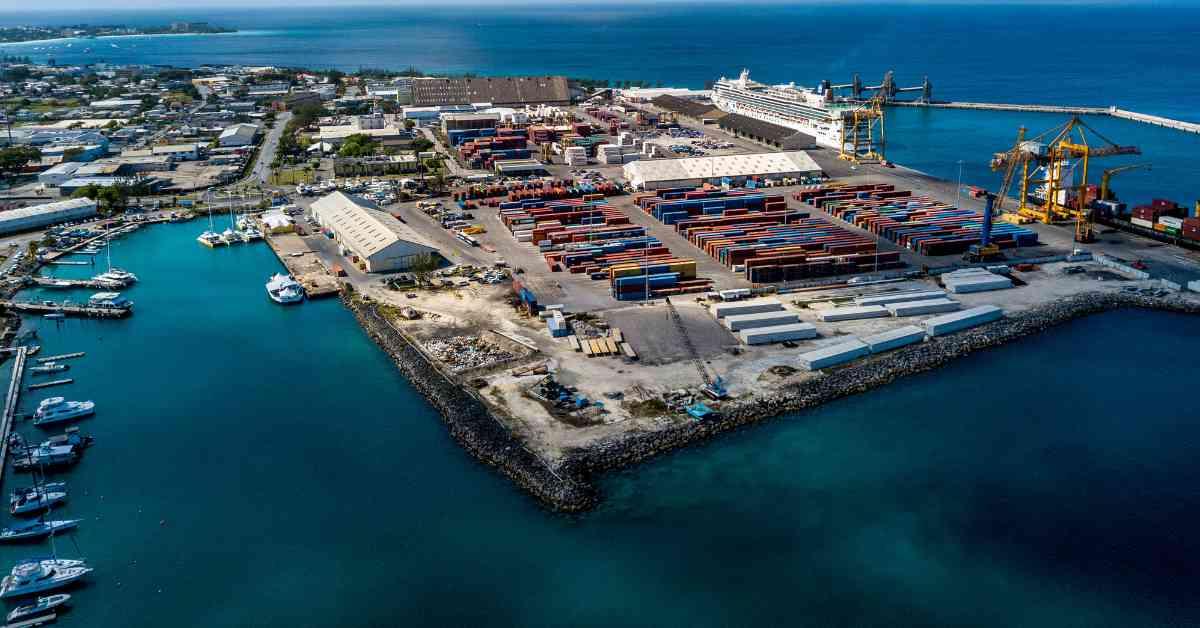
As global trade dynamics continue to evolve in response to shifting economic landscapes and technological advancements, Caribbean ports find themselves at a pivotal crossroads. Recent developments—ranging from the expansion of international shipping routes to the implementation of innovative logistics solutions—are transforming the operational capacities and strategic importance of these key maritime hubs. As the Caribbean seeks to enhance its competitiveness in the global shipping arena, a closer examination of these emerging trends reveals both opportunities and challenges for port authorities, shipping companies, and local economies alike. This article delves into the latest trade and shipping developments affecting Caribbean ports, exploring their implications for the region’s economic growth and connectivity in an increasingly interconnected world.
Table of Contents
- Emerging Trends in Global Trade and Their Impact on Caribbean Ports
- Advancements in Shipping Technology and Infrastructure Upgrades
- Regulatory Changes: Adapting Caribbean Ports to New Trade Agreements
- Sustainability Initiatives in Shipping and Port Operations for Future Resilience
- Future Outlook
Emerging Trends in Global Trade and Their Impact on Caribbean Ports
The landscape of global trade is undergoing rapid evolution, with several emerging trends directly influencing the operations of Caribbean ports. One significant trend is the rise of digitalization and automation in shipping logistics, enhancing efficiency and reducing delays. Ports are increasingly adopting smart technology, such as Internet of Things (IoT) devices and AI-driven analytics, to optimize cargo handling and improve overall throughput. By utilizing these innovations, Caribbean ports can better respond to the growing demand for faster transit times, particularly as trade routes shift and adapt in response to global market fluctuations.
Another noteworthy development is the shift toward sustainability and eco-friendly shipping practices. The international community is pushing for stricter regulations on emissions, prompting ports in the Caribbean to adopt cleaner technologies and promote greener logistics solutions. This focus on sustainability not only addresses environmental concerns but also attracts partnerships with global shipping lines that prioritize eco-friendly practices. Additionally, the integration of green infrastructure, such as renewable energy sources and efficient waste management systems, positions Caribbean ports as forward-thinking hubs in the global supply chain.
Advancements in Shipping Technology and Infrastructure Upgrades
The evolution of shipping technology is rapidly transforming the landscape of Caribbean ports, making them more efficient and competitively positioned in the global trade network. Innovations such as automated cargo handling systems, smart containers, and keyless entry systems are being integrated into port operations, significantly reducing loading and unloading times. Additionally, the adoption of drone technology for inventory management and surveillance enhances operational oversight, ensuring that containers are tracked in real-time and security is bolstered. Ports are also investing in sustainable technologies like wind-assisted propulsion systems and shore power connections that reduce emissions, aligning with global sustainability goals.
Alongside technological advancements, significant infrastructure upgrades are underway to accommodate larger vessels and improve overall port capabilities. Key developments include:
- Expansion of Docking Facilities: Ports are enhancing their docking facilities to accommodate mega-ships, thus facilitating increased cargo volumes.
- Smart Traffic Management Systems: Integrating AI-driven traffic control systems to streamline vehicular movement within port perimeters.
- Improved Intermodal Connectivity: Upgrading road and rail links to provide seamless transportation from ports to inland destinations.
These strategic enhancements not only bolster the efficiency of trade operations but also strengthen the resilience of Caribbean ports against external economic fluctuations.
Regulatory Changes: Adapting Caribbean Ports to New Trade Agreements
The Caribbean region is witnessing significant regulatory shifts as it gears up to embrace new trade agreements. These changes are not merely bureaucratic; they have profound implications for port operations, logistics management, and economic growth. Key areas of focus include:
- Streamlining Customs Procedures: Enhanced efficiency in customs protocols to reduce wait times and improve cargo handling.
- Environmental Compliance: New regulations aimed at ensuring sustainable practices within port operations.
- Infrastructure Development: Investments in modernizing port facilities to accommodate larger vessels and more complex supply chains.
To adapt to these changes, stakeholders are urged to implement a collaborative approach, combining efforts from governmental bodies, private enterprises, and international partners. Essential strategies include:
- Training Programs: Educating personnel on new regulations and operational best practices.
- Public-Private Partnerships: Engaging in joint ventures to share resources and knowledge.
- Technological Integration: Employing advanced technologies such as AI and IoT to enhance operational efficiency.
| Aspect | Current State | Expected Outcome |
|---|---|---|
| Customs Efficiency | Lengthy clearance times | Reduced delays for cargo |
| Port Infrastructure | Aging facilities | Enhanced capacity and reliability |
| Environmental Measures | Regulation compliance challenges | Sustainable port operations |
Sustainability Initiatives in Shipping and Port Operations for Future Resilience
As Caribbean ports evolve to meet the demands of modern trade, an array of sustainability initiatives are being implemented to enhance resilience against the challenges posed by climate change. Ports are increasingly adopting green technologies to minimize environmental impact and improve operational efficiency. Examples of these initiatives include:
- Use of renewable energy: Incorporating solar panels and wind turbines to power port operations.
- Enhanced waste management: Implementing recycling programs and reducing single-use plastics.
- Emission reductions: Transitioning to low-emission vehicles and shore power systems that allow ships to plug into the electrical grid while docked.
Moreover, collaboration among stakeholders—such as shipping companies, local governments, and environmental organizations—is essential for maximizing the impact of these initiatives. The establishment of comprehensive sustainability frameworks encourages shared resources and innovative practices, fostering a circular economy in port operations. For example, a recent partnership led to the development of eco-friendly docking facilities, as shown in the table below:
| Facility | Key Features | Expected Benefits |
|---|---|---|
| Green Dock 1 | Solar panels, rainwater harvesting | Reduced energy costs, sustainable water use |
| Eco-Terminal A | Zero waste policy, electric cranes | Lower carbon footprint, minimal landfill use |
Future Outlook
the dynamic landscape of trade and shipping in the Caribbean is witnessing significant transformations that are poised to reshape the region’s economic future. As new agreements are forged and advancements in technology are adopted, Caribbean ports must navigate the complexities of evolving global markets, environmental considerations, and infrastructural challenges. These developments not only present opportunities for growth but also underscore the critical need for strategic planning and collaboration among stakeholders. As the Caribbean continues to adapt to these changes, it will be essential for port authorities, government agencies, and private sector participants to remain agile and responsive to ensure the region maximizes its potential as a key player in the international shipping arena. Moving forward, sustained investment and innovation will be vital to enhance the resilience and competitiveness of Caribbean ports in the face of an ever-changing economic landscape.