


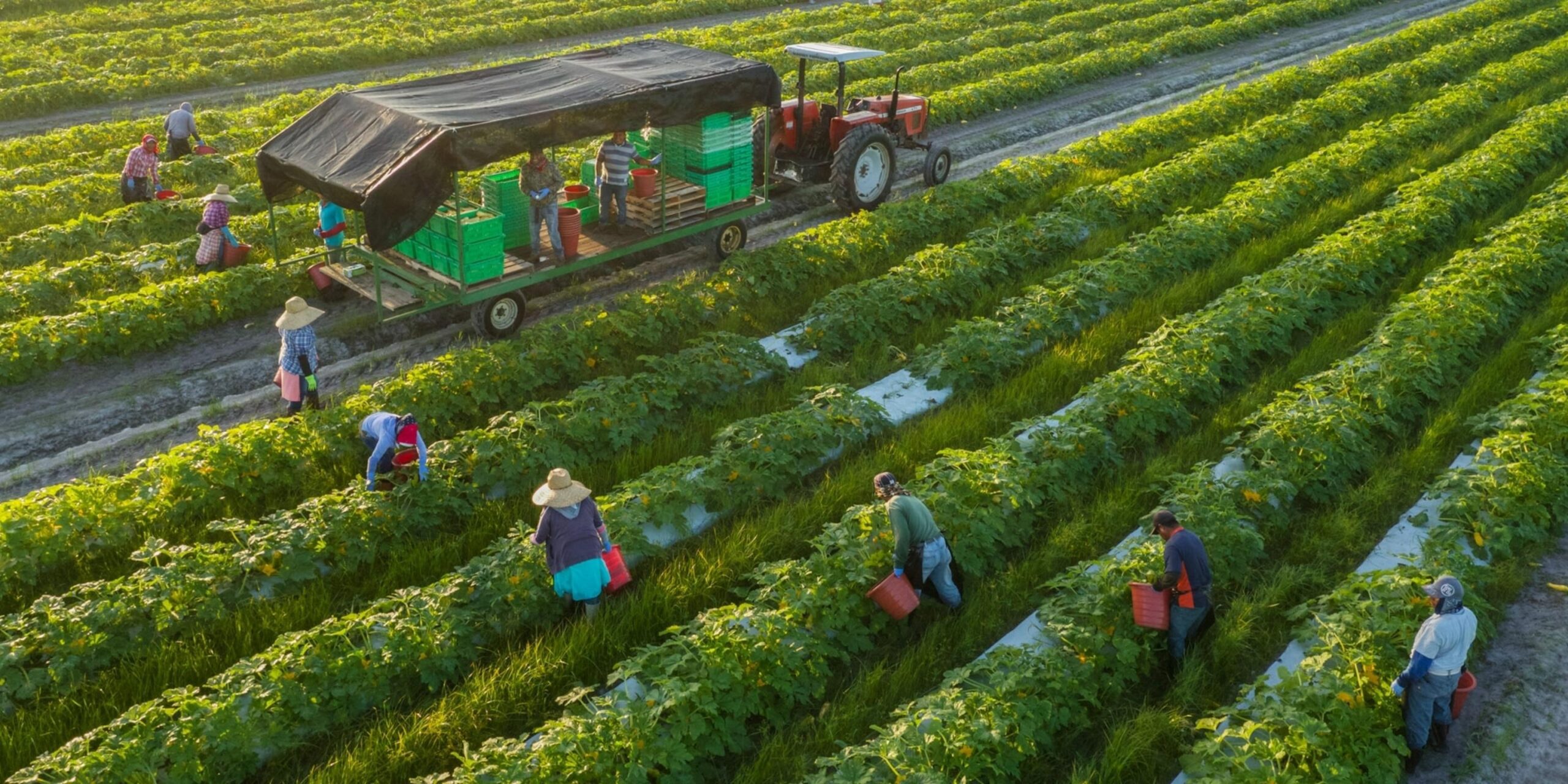
As the Caribbean continues to navigate the complexities of sustainable development, one method stands out as a beacon of hope: organic farming. This practice not only promises to enhance food security but also presents a powerful opportunity for economic growth and environmental stewardship. With its rich biodiversity and vibrant ecosystems, the Caribbean is uniquely positioned to lead the charge in organic agriculture, leveraging its natural resources to cultivate healthier communities and resilient economies. In this blog, we will explore how embracing organic farming can empower local farmers, improve public health, and promote sustainable practices that honor the region’s heritage while fostering innovation. Join us on this journey as we delve into the transformative potential of organic farming, and why it is more crucial now than ever for the Caribbean’s future.
Table of Contents
- Understanding the Benefits of Organic Farming for Caribbean Agriculture
- Transforming Local Economies through Sustainable Practices
- Enhancing Food Security with Organic Crop Diversification
- Building Community Resilience through Education and Support Networks
- Wrapping Up
Understanding the Benefits of Organic Farming for Caribbean Agriculture
Organic farming presents a transformative opportunity for Caribbean agriculture, aligning with the region’s diverse ecosystems and community-centric values. By prioritizing sustainable practices, organic farming reduces reliance on synthetic pesticides and fertilizers, fostering a healthier environment that promotes biodiversity. This approach not only enhances soil fertility but also strengthens resilience against climate change and natural disasters, which are increasingly prevalent in the Caribbean. Furthermore, organic farming can create unique market niches, appealing to health-conscious consumers and eco-tourists alike.
Moreover, adopting organic practices can have significant economic benefits for local farmers. By reducing input costs associated with chemical fertilizers and pesticides, farmers can increase their profit margins. Additionally, organic produce often commands higher prices in both local and international markets, enhancing financial viability. Training programs and cooperative models further empower communities, allowing knowledge sharing and resource pooling essential for successful transitions. The ripple effect strengthens food security, stabilizes the local economy, and ensures that agricultural practices contribute positively to community health and wealth.
Transforming Local Economies through Sustainable Practices
In recent years, organic farming has emerged as a powerful catalyst for revitalizing local economies in the Caribbean. By embracing sustainable agricultural practices, communities are not only enhancing their food security but also increasing their resilience against external economic shocks. The transition to organic farming brings with it a myriad of benefits, including:
- Job Creation: Organic farming initiatives often require more hands-on labor, which translates to increased employment opportunities for locals.
- Diverse Income Streams: Farmers can diversify their produce, tapping into niche markets like organic fruits and vegetables, thereby boosting their income.
- Local Investment: Increased demand for local organic produce encourages investment in community-based activities and resources, fostering economic growth.
Moreover, the environmental benefits of organic practices play a crucial role in the sustainability of these initiatives. With an emphasis on agroecology, farmers are adopting methods that enhance biodiversity and soil health, crucial for long-term agricultural productivity. The ripple effects of `organic farming` include:
- Reduced Dependence on Imports: By growing organic crops locally, communities can reduce dependency on imported goods.
- Improved Public Health: Organic practices result in lower pesticide residues, contributing to healthier food options for residents.
- Community Cohesion: Local farming projects often foster a sense of community, promoting collaboration and shared goals.
Enhancing Food Security with Organic Crop Diversification
Organic crop diversification is a transformative strategy that can significantly bolster food security in the Caribbean. By cultivating a variety of crops, farmers can reduce their dependency on a single food source, making their harvests more resilient to climate change and market fluctuations. This approach not only enhances biodiversity but also allows for the sustainable use of natural resources, fostering healthier ecosystems. Key benefits include:
- Improved Soil Health: Diverse planting helps restore nutrient balance and prevents soil degradation.
- Increased Pest Resistance: A variety of crops can disrupt pest life cycles and promote natural predators.
- Better Crop Yields: Different crops can complement each other, improving overall productivity.
- Market Resilience: Farmers can better adapt to market demands and trends, reducing economic risks.
To visualize the impact of organic crop diversification, consider the following comparison of traditional monoculture and diversified organic farming:
| Aspect | Traditional Monoculture | Organic Diversified Farming |
|---|---|---|
| Soil Health | Depleted nutrients | Enhanced fertility |
| Pest Control | High chemical use | Natural pest management |
| Resilience to Climate Change | Vulnerable | Higher adaptability |
| Market Opportunities | Limited | Diverse products |
By promoting organic crop diversification, Caribbean farmers can lead the charge toward a sustainable agricultural future. This not only nurtures the land but also nurtures the population by ensuring access to a wide range of nutritious foods, thus combating hunger and malnutrition in the region.
Building Community Resilience through Education and Support Networks
Investing in education and support networks can significantly bolster community resilience, particularly in the context of organic farming in the Caribbean. By equipping local farmers with knowledge about sustainable practices, communities can foster a deeper understanding of the ecological and health benefits associated with organic agriculture. Effective educational programs can cover essential topics such as:
- Soil health management
- Pest control without chemicals
- Crop rotation and biodiversity
- Market access and fair trade principles
Moreover, collaborations with local universities and agricultural organizations can further enhance the learning experience, offering workshops, hands-on training, and mentorship opportunities.
Establishing robust support networks is equally crucial in fostering resilience. Community cooperatives can play an essential role in pooling resources, sharing knowledge, and providing emotional and logistical support among farmers. The ripple effect of such networks creates a culture of cooperation and shared success. Key components of these support systems include:
- Regular meetings for knowledge sharing
- Access to shared resources like equipment and seeds
- Organized farmer’s markets to promote local produce
- Support systems to navigate market challenges
In these resilient communities, individuals are empowered not just to sustain their livelihoods, but to thrive, creating a thriving organic farming landscape across the Caribbean.
Wrapping Up
the journey towards empowering the Caribbean through organic farming is not simply a trend; it is a transformative movement that holds the potential to reshape the region’s agricultural landscape, enhance food security, and foster sustainable practices. As we navigate the challenges posed by climate change and economic fluctuations, embracing organic farming can serve as a powerful tool for resilience, innovation, and community empowerment.
By investing in education, resources, and supportive policies, we can cultivate a generation of farmers who prioritize sustainability and environmental stewardship. This shift not only benefits local economies but also preserves the natural beauty and biodiversity of our beloved islands.
Ultimately, the case for organic farming in the Caribbean is more than an agricultural choice—it is an investment in our health, our environment, and our future. As stakeholders—be it policymakers, farmers, or consumers—we each play a vital role in this journey. Together, let us champion the movement towards more sustainable practices that will nourish our communities, protect our ecosystems, and empower generations to come.
So, let’s take this opportunity to advocate for organic farming, engage in meaningful conversations, and ignite a passion for sustainable agriculture in every corner of the Caribbean. The seeds we plant today will yield a brighter, more resilient tomorrow.