


As the sun sets over the crystal-clear waters of the Caribbean, bathed in hues of crimson and gold, one cannot help but feel the warmth that this island paradise radiates. However, beneath this idyllic facade lies an urgent battle that affects countless families across the region: the silent yet insidious threat of non-communicable diseases (NCDs). Heart disease, diabetes, and cancer—we often hear these terms whispered through worried conversations, echoing the struggles faced by loved ones. For too long, these diseases have loomed like storm clouds over our vibrant communities, eroding the very fabric of our way of life.
This article is not just a collection of statistics or a report on healthcare woes. It is a heartfelt call to action, a plea for awareness, and a tribute to the resilience of Caribbean people who are courageously fighting against this growing epidemic. As we delve into the stories of those affected, the challenges they encounter, and the initiatives paving the way toward healthier futures, we hope to inspire both solidarity and solutions. Together, we can illuminate the path toward change, rekindle hope, and confront the realities of NCDs with not only our voices but with our collective strength. Join us as we embark on this essential journey—a journey that transcends borders, cultures, and traditions, uniting us all in the fight for a healthier Caribbean.
Table of Contents
- Understanding the Silent Epidemic of Non-Communicable Diseases in the Caribbean
- Empowering Communities: Education and Awareness as Key Strategies
- The Role of Lifestyle Changes in Prevention and Management
- Building Stronger Healthcare Systems for a Healthier Future
- In Summary
Understanding the Silent Epidemic of Non-Communicable Diseases in the Caribbean
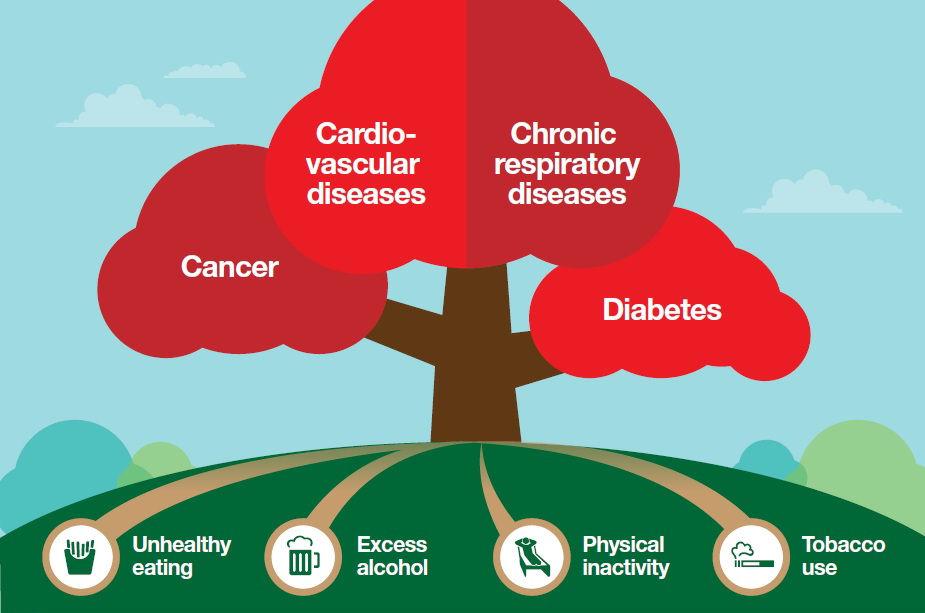
In the Caribbean, the truth about non-communicable diseases (NCDs) looms large and often goes unnoticed, creating a silent storm that affects entire communities. These conditions, including heart disease, diabetes, and chronic respiratory issues, claim lives and destabilize futures with alarming regularity. What makes this crisis particularly heartbreaking is that many of these diseases are preventable or manageable. The factors contributing to this epidemic include:
- Poor dietary choices: With a prevalence of fast, processed foods over traditional diets, health is undermined.
- Inactivity: Sedentary lifestyles are becoming the norm, gradually turning vibrant communities into health risk zones.
- Lack of awareness: Many individuals are unaware of the risk factors and symptoms, leading to late diagnoses.
As the situation intensifies, so does the call for collective action. Governments, communities, and individuals must unite to combat this public health threat. A crucial step in this fight involves advocacy for healthier lifestyle choices and more accessible healthcare services. This is highlighted in the following table showcasing key statistics on NCDs in the region:
| Disease | Prevalence (%) | Projected Increase (Next 10 Years) |
|---|---|---|
| Heart Disease | 30% | 15% |
| Diabetes | 9% | 30% |
| Chronic Respiratory Diseases | 7% | 25% |
Empowering Communities: Education and Awareness as Key Strategies
In the battle against non-communicable diseases (NCDs), education and awareness emerge as essential weapons in our arsenal. These conditions, which often stem from lifestyle choices, underscore the importance of knowledge in carving pathways to healthier lives. By fostering an understanding of risk factors, symptoms, and preventive measures, we can equip our communities with the tools necessary to combat NCDs head-on. The following initiatives can serve as powerful catalysts for change:
- Community Workshops: Host regular events to educate families on topics such as nutrition, physical activity, and mental health.
- School Programs: Integrate health education into school curriculums, reaching the youth who will carry this knowledge into adulthood.
- Public Campaigns: Utilize social media platforms and local radio to spread awareness, using relatable stories to connect emotionally with audiences.
To illustrate the impact of educational outreach, consider the data from recent health initiatives in the Caribbean, as shown in the following table:
| Initiative | Participants Reached | Reduction in NCD Risk |
|---|---|---|
| Community Workshops | 1,200 | 25% |
| School Programs | 5,000 | 30% |
| Public Campaigns | 15,000 | 20% |
The evidence is clear: empowering communities through education not only elevates individual health outcomes but cultivates a collective resilience against the devastation of non-communicable diseases. When knowledge blossoms, hope grows, leading to a brighter, healthier future for all Caribbean nations.
The Role of Lifestyle Changes in Prevention and Management
In the battle against non-communicable diseases (NCDs) in the Caribbean, lifestyle changes serve as one of the most powerful weapons available. Each choice we make in our daily lives holds the potential to influence our health positively. Simple yet significant adjustments can transform a sedentary routine into an active lifestyle, fostering resilience against chronic conditions like diabetes and hypertension. By incorporating elements such as:
- Balanced Diet: Emphasizing fresh fruits, vegetables, and whole grains.
- Regular Physical Activity: Engaging in at least 150 minutes of moderate exercise weekly.
- Stress Management: Practicing mindfulness and relaxation techniques.
- Adequate Sleep: Prioritizing 7-8 hours of restful sleep each night.
These changes not only empower individuals to take control of their health but also strengthen community ties, fostering a culture of wellness. Furthermore, local initiatives can enhance access to resources, creating an environment that supports healthy living. Collaborating on community gardens, wellness workshops, and fitness challenges can reframe the narrative around health, making it a collective priority. Highlighted below is a simple overview of initiatives that encourage these changes:
| Initiative | Description |
|---|---|
| Community Fitness Events | Organized runs, walks, and exercise classes that gather people together to promote physical activity. |
| Nutritional Workshops | Educational sessions on cooking healthy meals using local ingredients and understanding nutrition labels. |
| Stress Relief Programs | Classes in yoga, meditation, and wellness to promote mental health awareness and strategies. |
Building Stronger Healthcare Systems for a Healthier Future
The Caribbean faces an urgent challenge as rising rates of non-communicable diseases (NCDs) threaten the health and vitality of its communities. Heart disease, diabetes, and cancer have become the silent adversaries, claiming lives and straining healthcare resources. Reforming our healthcare systems to tackle these issues head-on means investing not just in medical care but also in preventive measures and community resilience. We need to focus on holistic health strategies that bridge the gaps in access, education, and support, ensuring that every individual, regardless of their background, can lead a healthier life.
To empower our fight against NCDs, we must mobilize collective action that involves various stakeholders—from governments to grassroots organizations. Initiatives could include:
- Education Campaigns: Raising awareness about the risks of unhealthy lifestyles.
- Accessible Screening Programs: Providing regular health check-ups for early detection.
- Nutrition Workshops: Teaching communities how to prepare healthy meals using local ingredients.
- Exercise Initiatives: Developing community fitness programs that encourage active living.
The future of our health systems relies on an integrated approach that not only treats but also prevents diseases, ensuring a healthier future for generations to come. Together, we can turn the tide against NCDs, one community at a time.
In Summary
As we draw the curtain on this exploration of the Caribbean’s brave battle against non-communicable diseases (NCDs), it becomes painfully clear that this issue transcends mere statistics and health reports. It’s about our mothers, fathers, friends, and neighbors—faces and stories we hold dear. Each life touched by NCDs is a testament to our resilience, our spirit, and our commitment to fight for a healthier future.
In this vibrant region where joy and culture flourish, we must channel that energy into confronting the silent epidemic that threatens our well-being. The road ahead may be fraught with challenges, but together, we can pave a path toward awareness, prevention, and care. Let’s unite our voices to advocate for policies that prioritize health, promote sustainable lifestyles, and empower our communities with knowledge.
So, as we take a moment to reflect on the battles fought and those still ahead, we invite you to be a part of this crucial movement. Whether through spreading awareness, supporting local initiatives, or simply embracing healthier choices in your daily life, every action counts. Together, we can rewrite our story—one where vibrant lives thrive, where health is a right, and where the Caribbean shines as a beacon of hope in the fight against non-communicable diseases.
Let’s not just fight; let’s flourish. Because in the heart of the Caribbean, hope is endless, and so is our strength.