


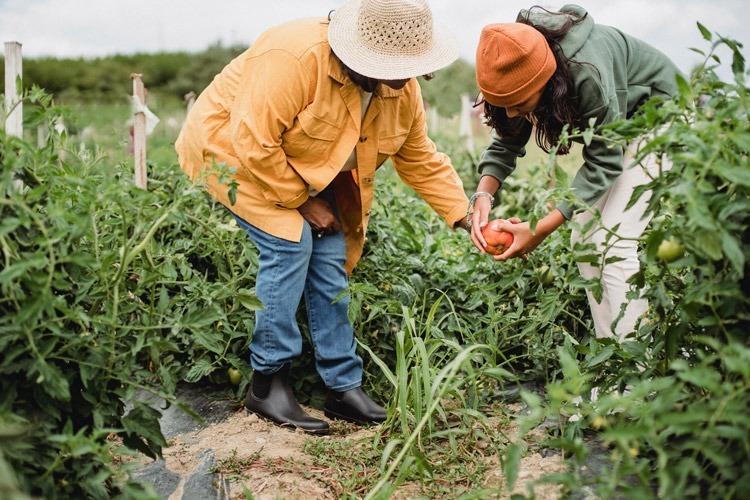
In an era where sustainability is at the forefront of global discussions, the Caribbean region is uniquely poised to lead the charge towards a more responsible food system. With its rich tapestry of cultures, bountiful natural resources, and a growing understanding of the environmental challenges we face, the Caribbean is embracing local farming as a viable solution for achieving food security and sustainability. This article delves into the vibrant world of local agriculture in the Caribbean, highlighting how initiatives focused on sustainable practices not only nourish communities but also preserve the delicate ecosystems that define this beautiful region. From the farms nestled in the lush hills of Jamaica to the thriving market gardens of Barbados, we’ll explore the movement towards locally-sourced food, the benefits of supporting smallholder farmers, and the promising future that lies ahead when we prioritize local over imported. Join us on this journey to understand how embracing local farming can transform our approach to food in the Caribbean and beyond.
Table of Contents
- Understanding the Impact of Local Farming on the Caribbean Economy
- Exploring Crop Diversity: Key Benefits for Sustainable Food Systems
- Building Stronger Communities Through Cooperative Farming Initiatives
- Practical Steps for Supporting Local Farmers and Sustainable Practices
- The Way Forward
Understanding the Impact of Local Farming on the Caribbean Economy
The Caribbean economy has long been dependent on agriculture, and local farming plays a crucial role in fostering economic resilience. By supporting local farmers, communities can enhance food security and stimulate growth across various sectors. Here are some key impacts of local farming on the economy:
- Job Creation: Local farms often require a diverse range of labor, leading to increased employment opportunities in rural areas.
- Revenue Generation: Farmers contribute significantly to the local economy by selling produce in local markets, which keeps money circulating within the community.
- Strengthening Supply Chains: Local farming promotes shorter supply chains, reducing transportation costs and environmental impact.
Furthermore, a thriving local agricultural sector can lead to a healthier population and a more sustainable environment. By focusing on organic and sustainable farming practices, Caribbean farmers can produce high-quality foods that not only meet local demand but also attract visitors and culinary tourism. Consider these benefits:
| Benefits of Local Farming | Description |
|---|---|
| Environmental Sustainability | Reduced carbon footprint through local sourcing and sustainable practices. |
| Cultural Preservation | Support for traditional farming methods and local varieties, enhancing cultural heritage. |
| Enhanced Community Cohesion | Local farming fosters relationships between producers and consumers, building community ties. |
Exploring Crop Diversity: Key Benefits for Sustainable Food Systems
Crop diversity plays a pivotal role in enhancing sustainable food systems, particularly in the Caribbean, where local farming practices are uniquely adapted to the region’s environmental conditions. By cultivating a variety of crops, farmers can improve the resilience of their agricultural systems against pests, diseases, and climate variability. Diverse crop rotations not only enhance soil health but also boost biodiversity, fostering ecosystems that support a wide range of flora and fauna. Furthermore, this practice can lead to improved nutritional outcomes for local communities, as diverse cropping results in a richer variety of foods available for consumption.
Local farming initiatives that prioritize crop diversity also contribute significantly to economic sustainability. By focusing on indigenous and heritage varieties, farmers can tap into niche markets and enhance food sovereignty in the region. This approach helps in generating local income and reducing dependency on imported goods, which can fluctuate in price and availability. Here are some key benefits of embracing crop diversity:
- Enhanced Nutrition: A wider variety of produce supports a healthier diet.
- Pest Resistance: Greater diversity can reduce crop vulnerability to pests.
- Soil Enrichment: Different crops contribute varying nutrients to the soil.
- Climate Resilience: Diverse crops can withstand extreme climate conditions better.
| Benefit | Impact on Food Systems |
|---|---|
| Diverse Diets | Increases overall health of the population |
| Increased Revenue | Boosts local economies through unique crops |
| Resource Sustainability | Ensures long-term availability of crops |
Building Stronger Communities Through Cooperative Farming Initiatives
Cooperative farming initiatives have emerged as a transformative force in the Caribbean, fostering a sense of community while enhancing food security and sustainability. By working together, local farmers are able to share resources, knowledge, and infrastructure, which allows them to increase their productivity and diversify their crops. These partnerships not only strengthen local economies but also promote responsible farming practices that prioritize environmental health. Through collaborative efforts, farmers can collectively purchase seeds, equipment, and even technology, reducing costs and improving access to modern farming methods.
Moreover, these initiatives work to create a robust local food system that emphasizes the importance of fresh, locally sourced produce. This is achieved through:
- Community Engagement: Workshops and events encourage participation and educate consumers on the benefits of supporting local farmers.
- Fair Trade Practices: Cooperative models ensure that farmers receive a fair price for their goods, fostering economic stability.
- Diverse Crop Production: Encouraging the growth of various crops helps to maintain biodiversity and resilience against climate change.
To illustrate the impact of these initiatives, here’s a brief overview of some successful cooperative farming groups across the Caribbean:
| Cooperative Name | Location | Focus Area | Established |
|---|---|---|---|
| Green Roots Cooperative | Jamaica | Organic Vegetables | 2015 |
| Caribbean Farmers Network | Barbados | Community Investment | 2018 |
| Cacao Farmers Collective | Dominicana | Cocoa Production | 2020 |
By embracing these cooperative models, Caribbean communities are not only investing in their agricultural future but also in the health and well-being of their populations. Together, farmers and consumers can work hand-in-hand to create a sustainable food ecosystem that nurtures both people and the planet.
Practical Steps for Supporting Local Farmers and Sustainable Practices
Supporting local farmers and sustainable practices in the Caribbean involves intentional choices that bolster community resources and promote environmental health. First, consider participating in community-supported agriculture (CSA) programs, where you can purchase a share of the harvest directly from a farm. This not only ensures fresh and seasonal produce but also provides farmers with the financial security they need. Additionally, frequent farmers’ markets to connect with local growers, where you can buy fresh fruits, vegetables, meats, and crafts, fostering a direct relationship that encourages sustainable practices.
Another effective method is to advocate for agroecology and sustainable farming techniques through educational workshops and community initiatives. Encourage local schools and organizations to incorporate farm visits and cooking classes that emphasize local ingredients. To help visualize the difference between conventional and sustainable practices, consider the following table that highlights key benefits:
| Practice | Benefits |
|---|---|
| Sustainable Farming | Enhances soil health, reduces chemical use, and promotes biodiversity. |
| Local Sourcing | Minimizes carbon footprint and supports the local economy. |
| Crop Diversity | Increases resilience to pests and climate changes. |
The Way Forward
As we conclude our exploration of local farming and sustainable food practices in the Caribbean, it’s clear that the path forward lies in recognizing the vital connection between our plates and our environment. By embracing local agriculture, we not only support our farmers but also enhance our communities’ resilience against climate change and global supply chain disruptions. Sustainable food practices pave the way for healthier eating habits and foster a deeper appreciation for the rich biodiversity that our islands offer.
It’s time for each of us to take an active role in this movement—whether by purchasing from local markets, experimenting with seasonal produce in our kitchens, or advocating for policy changes that support sustainable practices. The journey towards a more sustainable food system may require diligence and commitment, but the rewards—both for our health and our planet—are immeasurable.
Let us honor the hard work of our local farmers, celebrate the flavors of our region, and commit to a future where sustainable food is not just a trend, but a way of life. Together, we can cultivate a more sustainable Caribbean, rooted in community, culture, and a profound respect for our land. Thank you for joining this important conversation—let’s continue to support and uplift local farming in every way we can!