


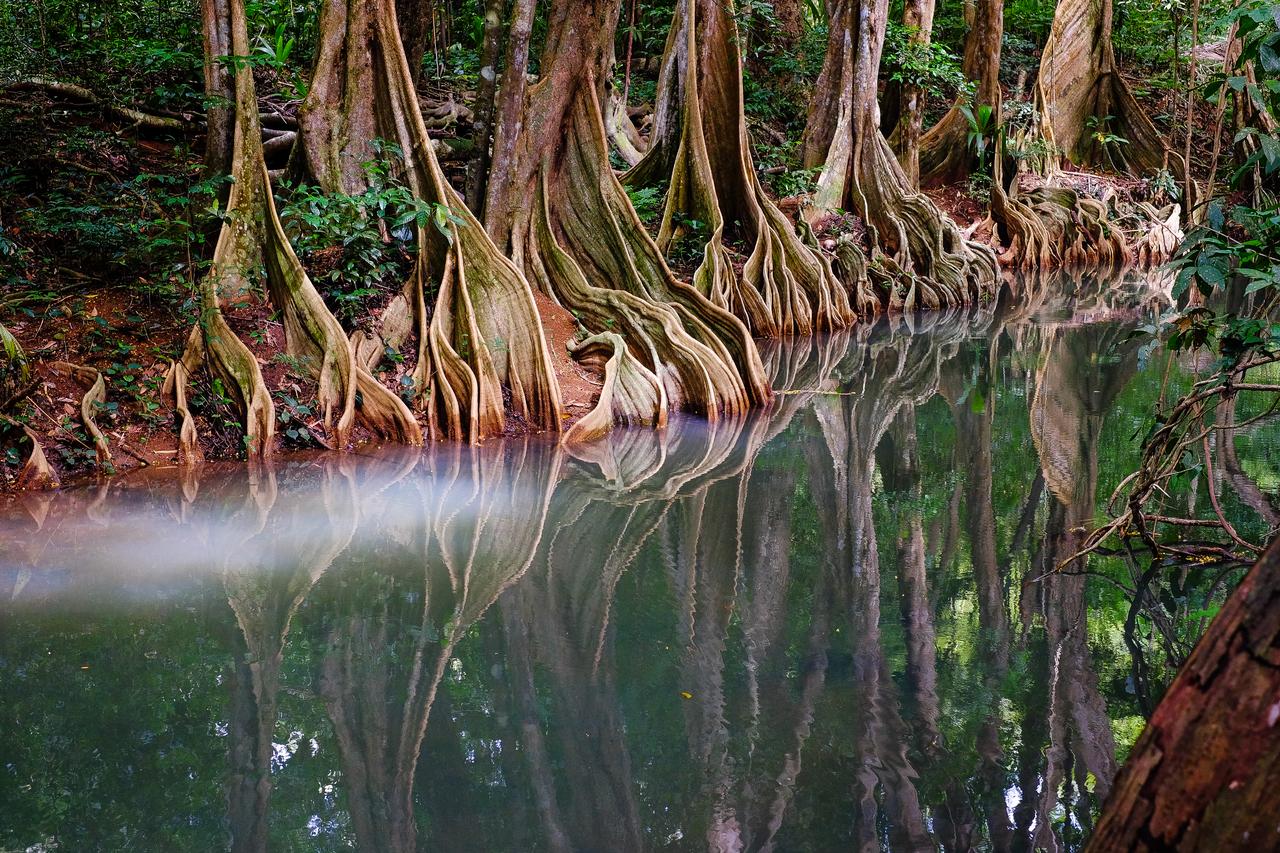
The Caribbean—a mosaic of vibrant cultures, blazing sunsets, and azure waters—is often celebrated for its breathtaking landscapes and tropical allure. Yet, beneath this idyllic surface lies a complex and fragile ecosystem that supports a remarkable diversity of life. From the lush rainforests to the delicate coral reefs, the Caribbean environment is a treasure trove of natural beauty, but it also faces unprecedented challenges. As we embark on this exploration of the region’s stunning yet vulnerable ecosystems, it’s vital to understand the intricate balance that sustains them and the urgent need for conservation efforts. Join us as we delve into the rich tapestry of the Caribbean’s natural world, illuminating its wonders while calling attention to the myriad threats that loom over this paradise. Together, we can cultivate a deeper appreciation for the Caribbean and inspire action to protect its enchanting yet fragile beauty for generations to come.
Table of Contents
- Understanding Coral Reefs and Their Vital Role in the Ecosystem
- The Impact of Climate Change on Caribbean Biodiversity
- Sustainable Tourism: Balancing Economic Growth with Environmental Conservation
- Community Initiatives for Protecting the Caribbeans Natural Resources
- Closing Remarks
Understanding Coral Reefs and Their Vital Role in the Ecosystem
The vibrant and dynamic ecosystems of coral reefs are often referred to as the “rainforests of the sea.” They serve as essential habitats for countless marine species, providing food, shelter, and breeding grounds. The intricate structures formed by coral polyps support an incredible diversity of life, including fish, mollusks, and crustaceans. These ecosystems are not only beautiful but also critical for maintaining the health of our oceans. Among their numerous benefits, coral reefs play a significant role in:
- Protecting Coastlines: Acting as natural barriers, they help reduce the impact of waves and storms.
- Supporting Fisheries: They are vital nursery grounds for many commercial fish species.
- Carbon Sequestration: Coral reefs assist in absorbing carbon dioxide, thus mitigating climate change effects.
- Tourism and Recreation: Healthy reefs attract millions of tourists, contributing to local economies.
However, these fragile ecosystems face numerous threats, from climate change to pollution and overfishing. The effects of rising sea temperatures and acidification jeopardize the very structures that form the backbone of reef systems. Efforts to protect and restore coral reefs are critical not only for the marine life that depends on them but also for their importance to human communities. Policies aimed at sustainable fishing practices and reducing carbon emissions are essential to ensuring the survival of these magnificent underwater gardens. The collective responsibility falls on every individual to advocate for and participate in conservation efforts, preserving the magic of coral reefs for generations to come.
The Impact of Climate Change on Caribbean Biodiversity
The Caribbean’s vibrant ecosystems, known for their stunning coral reefs and lush rainforests, are facing unprecedented challenges due to a rapidly changing climate. As temperatures rise, sea levels climb, and storm intensity increases, these delicate habitats are being pushed to their limits. Biodiversity hotspots, such as the Bahamas coral reefs and the Pernambuco mangroves, are experiencing significant shifts in species distribution, leading to a potential loss of unique flora and fauna. Key species that are essential for the health of these ecosystems, like the elkhorn coral and various endemic bird species, are struggling to adapt, raising concerns about their long-term survival. The following factors illustrate the pressing nature of this crisis:
- Ocean Acidification: Increased CO2 levels are transforming seawater chemistry, affecting coral growth.
- Habitat Loss: Rising sea levels threaten coastal ecosystems, while deforestation hampers species migration.
- Invasive Species: Warmer temperatures enable non-native species to proliferate, outcompeting local wildlife.
- Changing Weather Patterns: Altered rainfall and extreme weather events disrupt breeding and feeding cycles.
To quantify the shift in biodiversity, the following table highlights the vulnerability of selected Caribbean species in response to climate factors:
| Species | Vulnerability Level | Impact Factor |
|---|---|---|
| Elkhorn Coral | High | Sea Temperature Rise |
| Hawksbill Turtle | Critical | Coastal Development |
| Jamaican Tody | Medium | Climate Variability |
| American Crocodile | Low | Habitat Fragmentation |
Preserving the Caribbean’s unparalleled biodiversity requires urgent and collective action. Employing conservation strategies such as protecting critical habitats, promoting sustainable tourism, and enhancing climate resilience is fundamental for safeguarding these fragile ecosystems. Through collaborative efforts, we can foster a more harmonious balance between human activity and the remarkable natural heritage of the Caribbean.
Sustainable Tourism: Balancing Economic Growth with Environmental Conservation
In the Caribbean, the lush landscapes and vibrant ecosystems are not merely a backdrop for tourism but a vital component of its identity and economy. Sustainable tourism practices are emerging as essential to safeguard these natural treasures. Tourists are increasingly drawn to experiences that combine adventure with consciousness about their environmental impact. To achieve a meaningful balance, stakeholders must prioritize the development of initiatives that not only drive economic growth but also protect the delicate ecosystems that sustain them. This approach encompasses:
- Local Partnerships: Collaborating with local communities ensures that tourism benefits are shared, fostering economic resilience.
- Eco-friendly Practices: Implementing waste reduction strategies and promoting renewable energy sources in tourism facilities minimize the carbon footprint.
- Wildlife Conservation: Engaging tourists in conservation efforts raises awareness and provides necessary funding for local wildlife protection.
Furthermore, creating a framework for responsible tourism can facilitate sustainable development. This will include educating visitors about local cultures and environmental stewardship, reinforcing the notion that engaging with nature comes with responsibilities. To guide these efforts, a focused strategy can help manage the inevitable pressures of tourism on these sensitive regions. The following table outlines key strategies for sustainable tourism implementation:
| Strategy | Description |
|---|---|
| Community Engagement | Involve local residents in tourism planning to ensure shared benefits and cultural preservation. |
| Environmental Education | Offer workshops and materials to educate tourists about local ecosystems and conservation efforts. |
| Regulated Development | Implement strict guidelines for new tourism-related developments to minimize environmental impact. |
Community Initiatives for Protecting the Caribbeans Natural Resources
The Caribbean communities are stepping up to safeguard their unique ecosystems through a range of innovative initiatives that prioritize sustainability. From grassroots organizations to larger environmental coalitions, these efforts aim to raise awareness and encourage active participation in conservation practices. Some notable community initiatives include:
- Beach Clean-Up Campaigns: Local volunteers gather to remove trash and debris, significantly reducing the impact of pollution on marine life.
- Reforestation Projects: Communities are engaging in tree planting drives to restore habitats and combat deforestation, enhancing biodiversity.
- Educational Workshops: Schools and local organizations run programs to educate residents about the importance of protecting their natural surroundings.
Collaboration between stakeholders is key to the success of these initiatives, fostering a sense of ownership among residents. Communities often partner with NGOs, government agencies, and private sectors to secure essential funding and resources. Here’s a glimpse of how communal efforts contribute to environmental health:
| Initiative Type | Description | Impact |
|---|---|---|
| Coral Restoration | Replanting damaged coral reefs with nursery-raised corals. | Increased biodiversity and resilience of reef ecosystems. |
| Community Gardens | Establishing local gardens to promote sustainable farming practices. | Improved food security and soil health. |
| Wildlife Sanctuaries | Creating protected areas for endangered species. | Prevention of extinction and habitat preservation. |
Closing Remarks
As we conclude our exploration of the fragile beauty of the Caribbean environment, it’s clear that this vibrant region is not just a picturesque paradise, but a complex ecosystem rich with life and diversity. From the striking coral reefs teeming with marine species to the lush rainforests that play a crucial role in maintaining global biodiversity, the Caribbean represents a delicate balance that demands our respect and stewardship.
Yet, the threats posed by climate change, pollution, and overdevelopment loom large, challenging us all to engage in meaningful preservation efforts. Each of us has a role to play in advocating for sustainability and in supporting initiatives aimed at protecting these unique environments. By promoting responsible tourism and eco-friendly practices, we can help ensure that future generations will also have the opportunity to marvel at the natural wonders of the Caribbean.
As we reflect on the beauty of this region, let us also commit to being informed stewards of the earth. By fostering awareness and compassion for the environment, we can safeguard the very essence of what makes the Caribbean so special. Together, we can celebrate and protect this extraordinary corner of the world, securing its rich heritage for years to come. Thank you for joining us on this journey—let’s continue to explore, appreciate, and safeguard the beautiful and fragile Caribbean.