


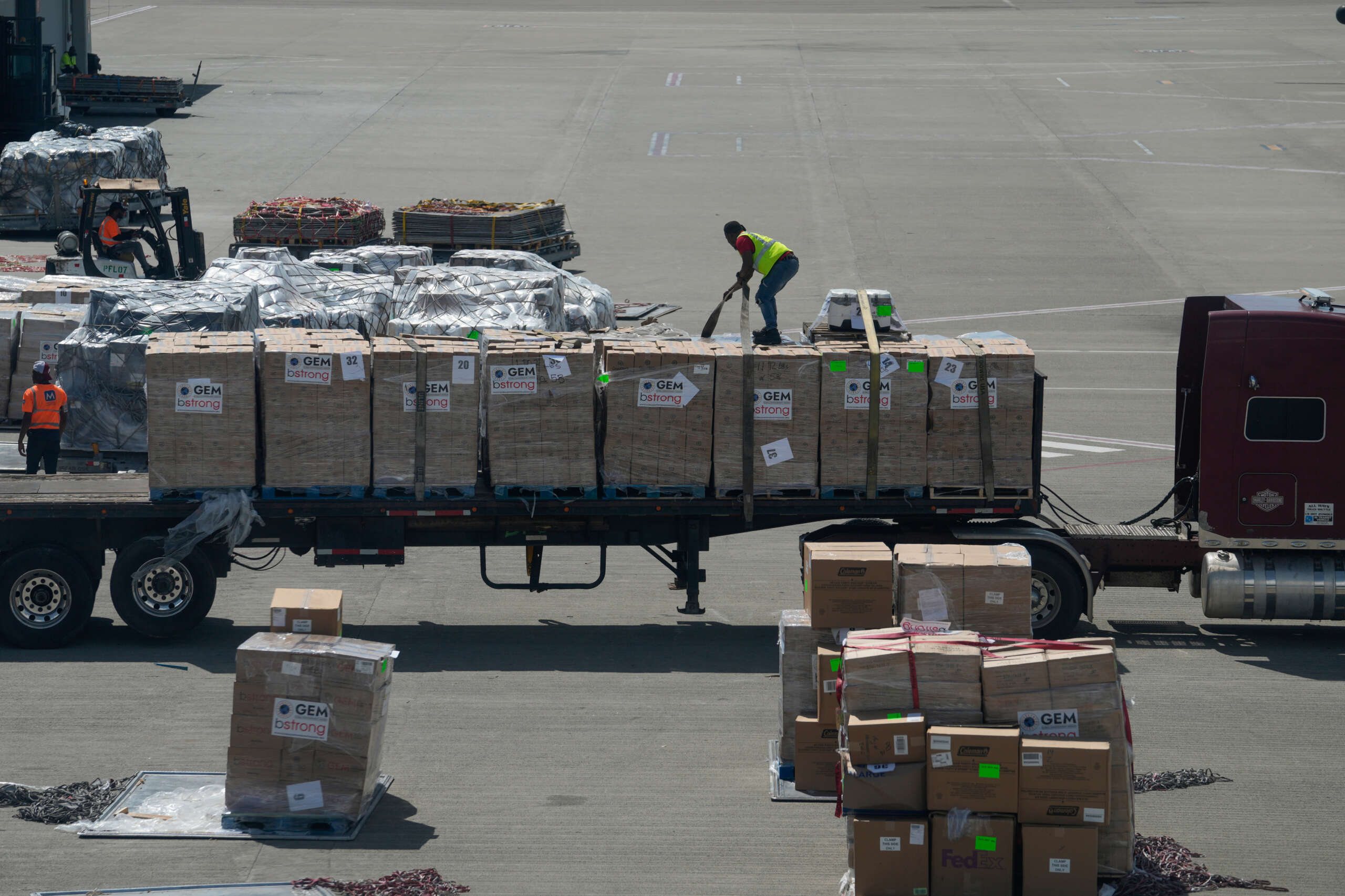
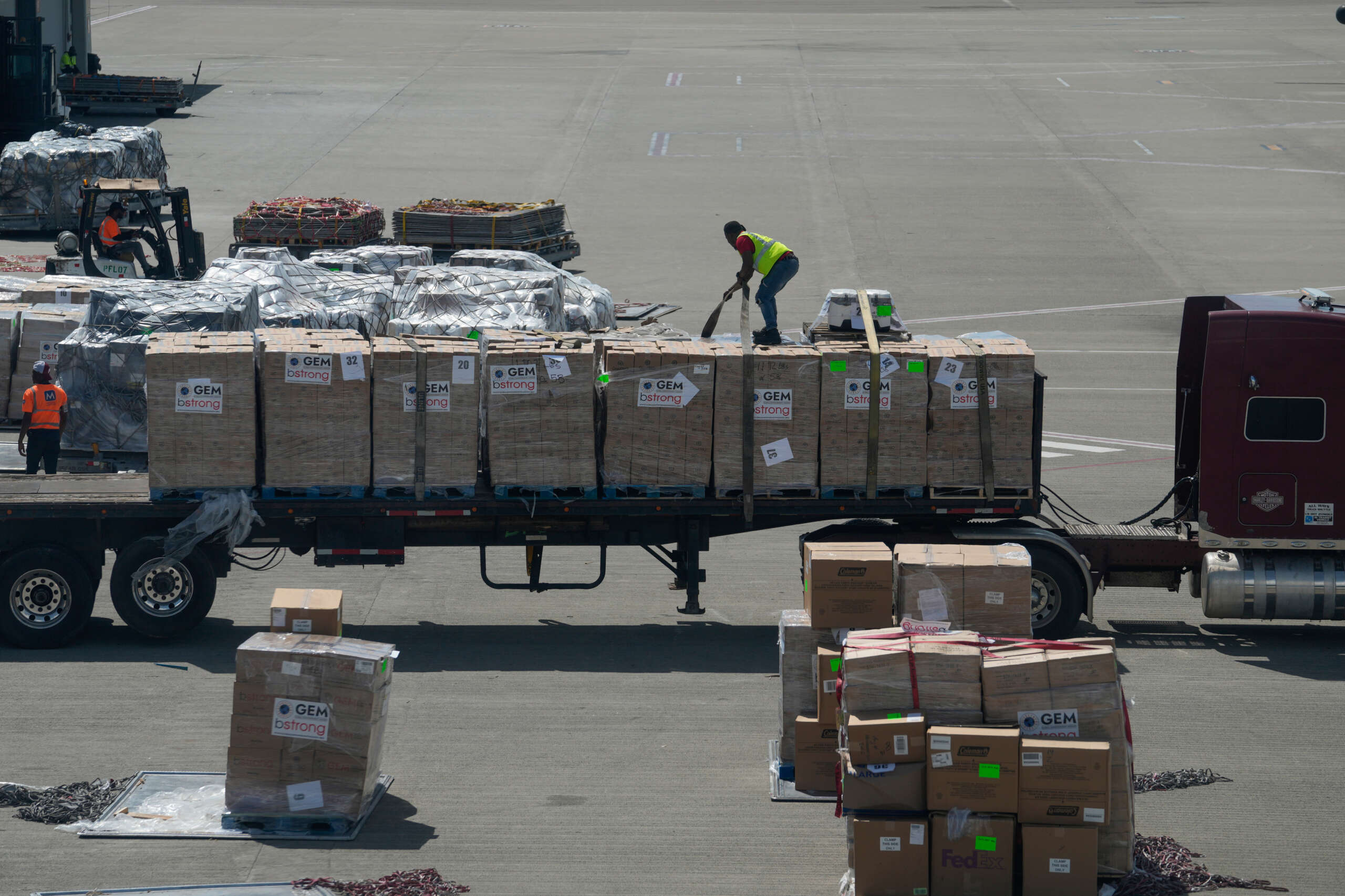
Crucial supplies are being distributed across Jamaica with aid finally reaching the worst-affected areas several days after Hurricane Melissa devastated large parts of the island.
Authorities are now warning residents to be on the alert against post-hurricane risks such as waterborne diseases, food poisoning and increased mosquito activity.
While some neighbourhoods have been severely impacted by the storm, others were less affected, with some schools already able to reopen. The Jamaican government said that the decision to reopen schools is being made locally but Education Minister Dana Morris Dixon encouraged reopening as soon as possible to help children get back to routines and deal with the trauma.
She added that this applies to the whole country, saying: “The quicker we move through this grief, the better it is for us in the long run.”
She said that there was a sense of “national trauma felt across the nation,” and many people would need support to get through it, adding “I think we’re all going through collective trauma.”
Risk of disease
Aid including food, water, blankets, medicine and other essential items are being delivered in painstaking efforts by emergency workers who have been hampered by blocked roads and landslides, with helicopters dropping food in communities which are impossible to reach by vehicle or foot.
People have been walking for miles in search of basic goods and to check on loved ones with more than 60% of the island still without power days after the storm hit.
In some parts it was reported that people have been collecting river water for domestic use as drinking water supplies were disrupted, while others have been drinking coconut water and roasting breadfruit until food reaches them.
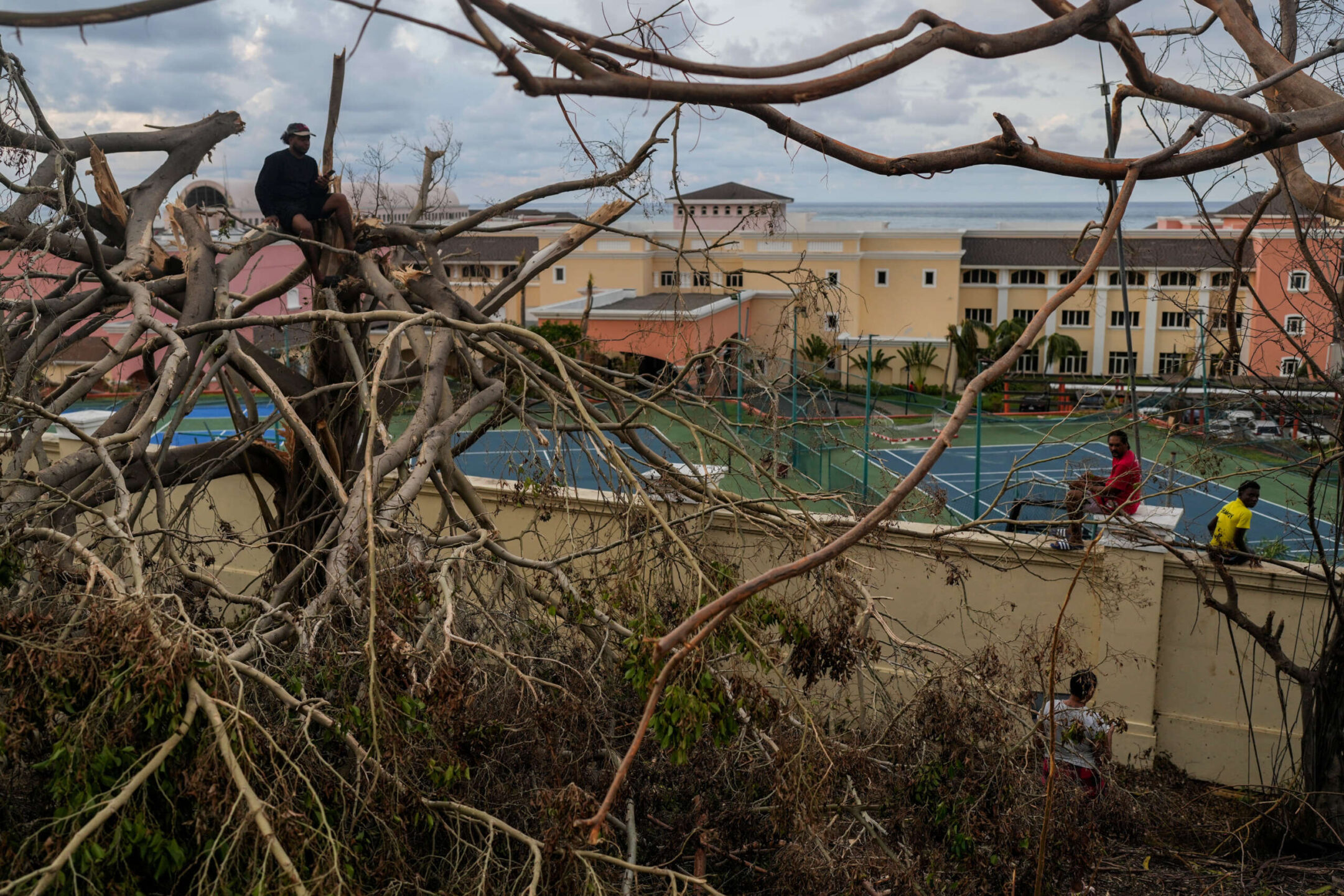
The Jamaican government has urged people to observe safe water consumption practices including treating water before consumption to try to prevent waterborne diseases.
“Waterborne diseases can be a very dangerous issue,” said Jamaica’s Minister of Health and Wellness Christopher Tufton. “We are working with the National Water Commission regarding the trucking of water and to ensure that we preserve the integrity of the food chain, both for food and water. In these times, diseases like leptospirosis and gastro-related ailments are frequent in these conditions.”
Relief efforts
Melissa made landfall in southwest Jamaica on Tuesday, 28 Oct. as a Category 5 hurricane with top winds of 185 mph (295 kph) that destroyed homes, schools, hospitals, roads and telephone and power networks. One of the strongest Atlantic hurricanes ever to hit land, Melissa has been blamed for at least 28 deaths in Jamaica and 31 in nearby Haiti.
The Cayman Islands was the first to send emergency supplies to Jamaica with US$200,000 of goods including cleaning supplies, tools, hygiene products, generators, batteries and other essential items.
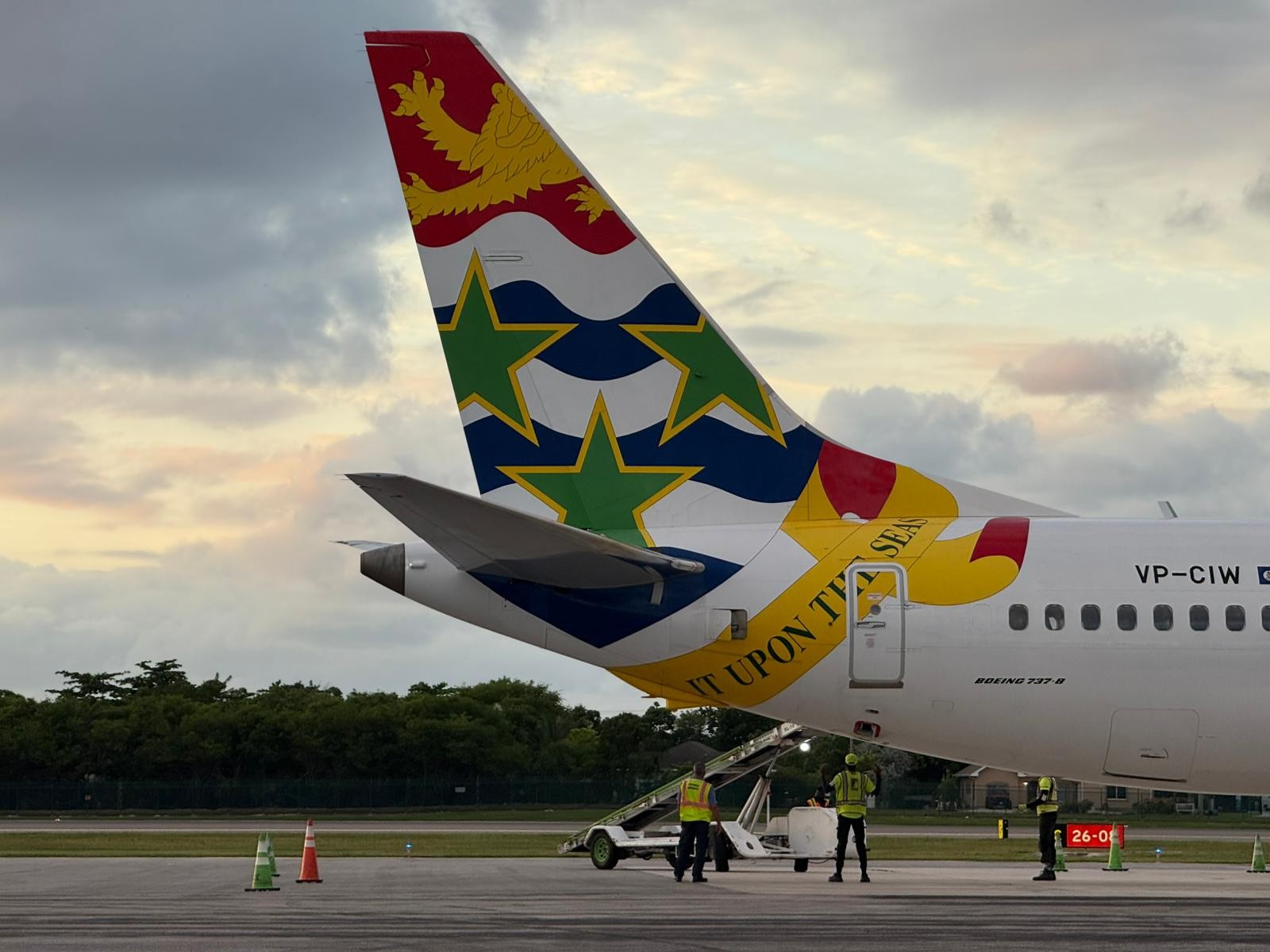
Another US$1.2 million of supplies has been promised in subsequent relief flights with agencies such as the Cayman Islands Red Cross and Rotary raising funds for the support effort as well as the Humanitarian Relief Committee chaired by former premier McKeeva Bush.
Aid distribution
The Jamaica Defense Force set up a satellite disaster relief site at the Luana community centre near the coastal settlement of Black River where care packages are being dispatched to hurricane-stricken residents.
Many have been without vital supplies since Tuesday in the area called Melissa’s “ground zero” by Jamaica’s prime minister Andrew Holness. World Vision’s national director of domestic humanitarian and emergency affairs Mike Bassett, who travelled to the nearby town of Santa Cruz in St. Elizabeth on Friday, said, “People are in shock and they’re waiting on relief.”
He added that the biggest needs are clean water, tarps for roof damage, canned proteins, hygiene and cleaning supplies.
International response
Aid has been arriving from other Caribbean nations as well as the wider international community.
On Saturday, the United Nations’ World Food Programme received 2,000 boxes of emergency food assistance shipped from Barbados, to be distributed in shelters and in the most-affected communities in the St. Elizabeth area, while aid has also arrived from El Salvador which sent three planes of humanitarian aid. The US is providing eight helicopters loaded with relief supplies to help with reaching inaccessible areas.
The UK government is providing an additional £5.5 million in emergency humanitarian funding to help the region recover from Hurricane Melissa. The additional funding follows a £2.5 million support package announced earlier.
The funds will be used to deliver humanitarian aid to people whose homes were damaged and those left without electricity. The package also includes more than 3,000 shelter kits and 1,500 solar-powered lanterns.
Pan America Health Organization (PAHO) is sending 5.5 tonnes of relief supplies to Jamaica. PAHO has already sent 2.6 tonnes of supplies to Cuba which, along with Haiti and Dominican Republic, was impacted by Hurricane Melissa.
Duty dropped on relief supplies
The Jamaican government has dropped all import duty and taxes due on imported relief supplies and donations to assist in recovery efforts. The relief on Import Duty and General Consumption Tax will be applied to imported donations consigned to the Office of Disaster Preparedness and Emergency Management as well as relief supplies to private individuals or institutions and will apply until 28 Nov.
Money transfer service JN Money is waiving fees on all payments to Jamaica until 6 Nov. to help families and friends trying to help loved ones in Jamaica as well as on all donations to the Jamaican government’s fund, I Support Jamaica.
Blow to farmers and fishermen
While official damage assessments are still underway, Melissa has dealt a devastating blow to Jamaica’s food productive communities. There are more than 200,000 farmers in Jamaica tending livestock and growing produce such as bananas, melons, cocoa and yams but fishing boats and equipment have been destroyed along with acres of agriculture land.
Jamaican officials said the day after Melissa hit that St. Elizabeth parish, known as Jamaica’s “breadbasket,” was under water. The parish had over 35,000 registered farmers and fishermen as of 2022, according to the Jamaica Information Service.
The destruction comes just 15 months after Hurricane Beryl impacted more than 50,000 farmers and 11,000 fishermen and women, causing $4.73 billion Jamaican dollars (US$29 million) in losses, according to the Ministry of Agriculture, Fisheries and Mining.
Insurance
Following the devastation, the Caribbean Catastrophe Risk Insurance Facility (CCRIF) said that it would make a record payout to Jamaica of US$70.8 million.
Jamaica’s Finance Minister Fayval Williams said last week that the CCRIF insurance policy was just one part of the government’s financial plan to respond to natural disasters including contingencies fund, a national natural disaster reserve and a US$150 million catastrophe bond which is expected to be paid out following Melissa’s impact.