


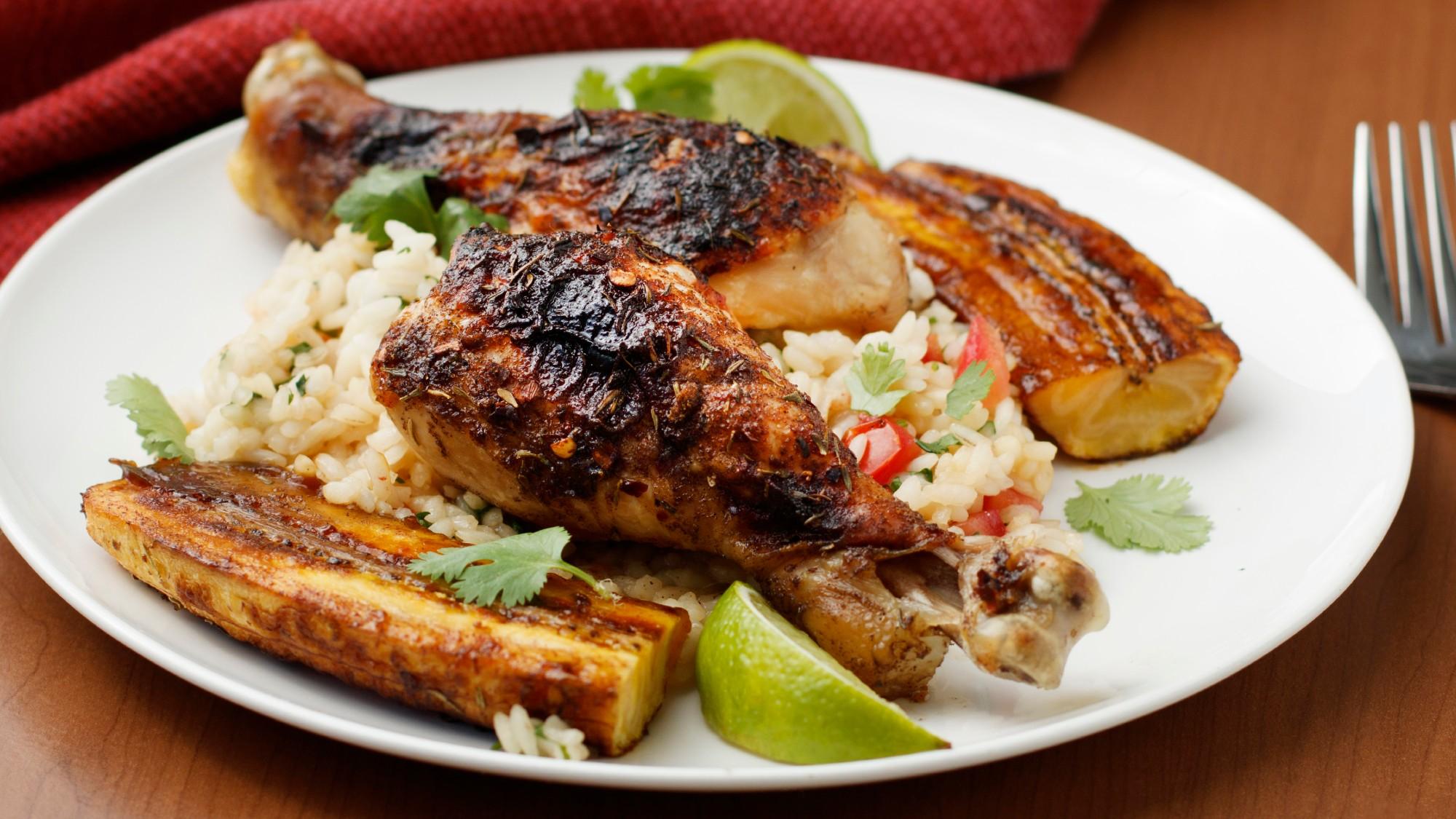
The Caribbean is a kaleidoscope of cultures, an archipelago where the rhythmic beats of steel drums meet the tantalizing aromas of simmering spices. When you think of Caribbean cuisine, images of vibrant dishes bursting with flavor spring to mind, but the story behind these culinary delights is as rich and varied as the islands themselves. From the indigenous Taino and Arawak peoples to the European colonizers and African slaves, the culinary landscape of the Caribbean is a tapestry woven from centuries of history and cultural exchange.
In this article, we embark on a journey to uncover the roots and evolution of Caribbean cuisine, exploring how global influences and local traditions have shaped a gastronomic identity that is uniquely its own. Join us as we delve into the history, ingredients, and signature dishes that define the culinary scene across the islands, highlighting not just the food but the stories and traditions behind each bite. Whether you’re a seasoned foodie or a curious traveler, prepare to savor an adventure that transcends borders and beckons you to the vibrant heart of the Caribbean.
Table of Contents
- The Rich Tapestry of Caribbean Ingredients and Their Origins
- Culinary Influences: How Colonization Shaped Caribbean Flavors
- Must-Try Dishes: A Guide to Iconic Caribbean Meals
- Sustainable Practices in Caribbean Cooking: Embracing Tradition and Innovation
- Closing Remarks
The Rich Tapestry of Caribbean Ingredients and Their Origins
The Caribbean is a vibrant mosaic of flavors, each ingredient telling a story steeped in history and cultural influence. The region’s culinary landscape is shaped by the indigenous peoples, European colonists, African slaves, and Asian immigrants, all of whom have left their mark through unique ingredients and culinary practices. Local staples such as cassava, yams, and plantains provide a foundation for countless dishes while spices and herbs like allspice and cilantro infuse a variety of tastes that reflect the islands’ agricultural diversity. Further enriching this tapestry are ingredients introduced via trade routes, such as coconut and papaya, which have become essential to many traditional Caribbean recipes.
The origins of these ingredients are just as diverse as the people who cultivate them. For instance, tomatoes and peppers were brought by Spanish colonizers, becoming vital in the creation of salsas and sauces. Meanwhile, the introduction of rice by West African slaves led to dishes like the beloved rice and peas. Additionally, the influence of Asian culture is evident in ingredients like ginger and curry powder, which have become staples in several Caribbean kitchens. An exploration of these ingredients unveils a delightful intersection of tastes and histories, each bringing a unique nuance to the dishes we enjoy today.
Culinary Influences: How Colonization Shaped Caribbean Flavors
The Caribbean culinary landscape has been significantly shaped by the legacy of colonization, where various cultures converged, each leaving an indelible mark on the region’s flavor profile. From the initial encounters of the Indigenous peoples and European powers to the migration of enslaved Africans and Asian indentured laborers, each group brought unique ingredients, cooking techniques, and traditions. The fusion of these varied influences has given rise to a rich tapestry of flavors, characterized by the use of local ingredients such as cassava, plantains, and an array of spices that reflect a history of resilience and adaptation.
Among the most significant contributions are those from European colonizers who introduced new cooking methods and staples. The use of citrus fruits, rice, and bread became commonplace and are now staples in many Caribbean dishes. Simultaneously, the culinary techniques of African descent are impeccably woven into the fabric of Caribbean cooking, showcasing methods like smoking and frying that enhance the depth and complexity of flavors. Exploring the Caribbean plate often reveals a blend of techniques and tastes, highlighted by ingredients like jerk seasoning and curry powders, emphasizing the rich history of convergence that defines the region’s identity.
Must-Try Dishes: A Guide to Iconic Caribbean Meals
Caribbean cuisine is a vibrant tapestry woven from the diverse cultures that inhabit the islands. Among the must-try dishes, jerk chicken stands as a staple, marinated in a blend of spices and herbs that reflect the region’s rich heritage. This smoky, spicy delight is best enjoyed grilled over pimento wood, infusing the meat with an unmistakable flavor. Another iconic option is ackee and saltfish, the national dish of Jamaica, which showcases the savory combination of salted cod and the bright, buttery flesh of ackee fruit. Served with fried plantains and festivals (sweet fried dumplings), this dish offers a delightful balance of textures and tastes that speaks to the island’s culinary history.
Don’t miss out on exploring the flavors of roti, a beloved wrap filled with curried meats or vegetables, originating from Indian influences on Caribbean cuisine. This dish emphasizes the region’s multicultural roots and is often paired with dhal puri, a spiced flatbread that enhances the meal experience. For dessert, rum cake is a sweet indulgence, richly soaked in rum and celebrated for its moist texture and fruity undertones. To showcase the variety of flavors, here’s a quick table highlighting some iconic Caribbean dishes:
| Dish Name | Region | Main Ingredients |
|---|---|---|
| Jerk Chicken | Jamaica | Chicken, jerk seasoning |
| Ackee and Saltfish | Jamaica | Ackee, salted cod, onions |
| Roti | Trinidad & Tobago | Flatbread, curry |
| Rum Cake | General Caribbean | Rum, dried fruits, cake |
Sustainable Practices in Caribbean Cooking: Embracing Tradition and Innovation
The Caribbean region is a vibrant tapestry of cultures and traditions, where cooking is not just about flavor but also about sustainability. Many islands prioritize the use of local ingredients, which not only supports local economies but also reduces the carbon footprint associated with food transport. Embracing sustainable practices reflects the deep-rooted traditions of the Caribbean people while also making room for innovative techniques. Some of the key elements of this culinary approach include:
- Seasonal Ingredients: Utilizing produce that is in season enhances flavor while supporting local farmers.
- Eco-friendly Fishing: Traditional, sustainable fishing methods preserve fish populations and marine ecosystems.
- Minimal Waste Cooking: Using every part of an ingredient, from root to leaf, minimizes waste and maximizes flavor.
Innovative chefs are also incorporating modern methods alongside these time-honored practices. Techniques such as fermentation and pickling are being revisited to enhance preservation and create unique flavor profiles that respect both tradition and the environment. Furthermore, urban farming initiatives are gaining traction, allowing city dwellers to grow their own Caribbean herbs and vegetables. The synergy between heritage and cutting-edge practices is reshaping Caribbean cuisine into a sustainable culinary force. A glimpse of the vibrant ingredients and practices can be illustrated in the table below:
| Ingredient | Sustainability Practice |
|---|---|
| Yams | Locally sourced from small farmers |
| Coconut | Using every part for cooking, oil, and crafts |
| Sea Urchins | Regulated harvesting practices |
| Herbs | Urban garden cultivation |
Closing Remarks
As we conclude our culinary journey through the vibrant tapestry of Caribbean cuisine, it’s clear that food in this region is much more than mere sustenance; it is a reflection of history, culture, and the indomitable spirit of its people. Each dish tells a story, woven with the threads of indigenous traditions, colonial influences, and the diverse flavors brought by waves of migration.
From spicy jerk chicken to the delicate sweetness of coconut flan, the diverse culinary landscape invites us to explore not just the flavors, but also the rich heritage that molds each recipe. This exploration is a reminder that food can bridge divides and create connections, bringing together communities and cultures across enchanting islands.
As you embark on your own culinary adventures, may your taste buds be tantalized, and your understanding of the Caribbean deepened. We encourage you to experiment with these flavors in your kitchen, embrace the vibrant spices, and celebrate the stories they carry. Here’s to the joy of discovery and the unifying power of food—until our next adventure, happy cooking!