


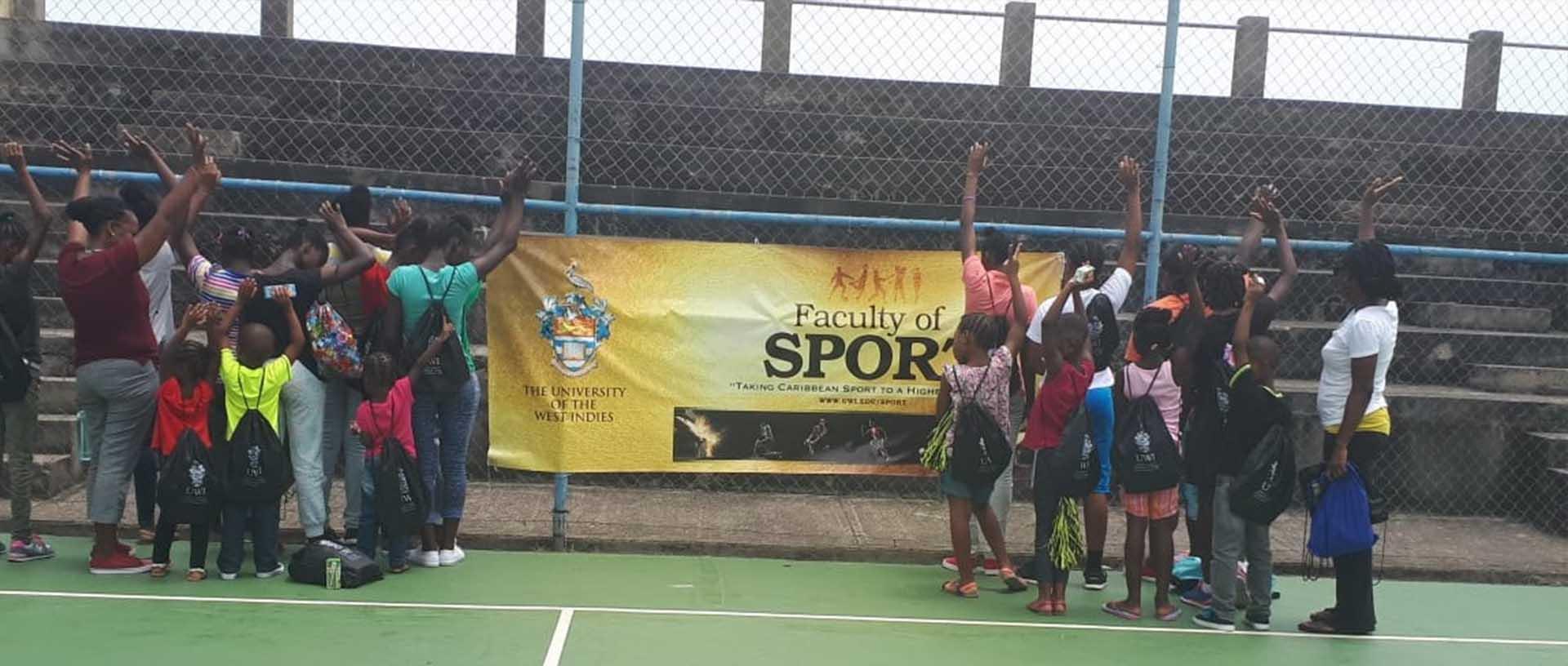
As the Caribbean region continues to navigate the complexities of economic development and social advancement, sports emerge as a crucial catalyst for progress. With its rich cultural heritage and a population deeply passionate about athletics, the Caribbean is poised to leverage its sporting potential to foster community engagement, boost tourism, and cultivate international talent. This article delves into the various opportunities available for strengthening sports development in the Caribbean, highlighting innovative initiatives, potential partnerships, and the role of technology in propelling the region toward a more vibrant sporting future. As stakeholders from government entities to private sectors convene to explore collaborative strategies, the Caribbean stands at a pivotal juncture, ready to harness its collective strengths to redefine its sporting landscape.
Table of Contents
- Opportunities for Youth Engagement in Caribbean Sports Programs
- Leveraging Technology to Enhance Athletic Training and Performance
- Strategic Partnerships for Sustainable Sports Infrastructure Development
- Promoting Gender Equality in Caribbean Sports Initiatives
- The Conclusion
Opportunities for Youth Engagement in Caribbean Sports Programs
The Caribbean sports landscape is ripe with potential for youth engagement, offering numerous avenues for development and participation. By creating and enhancing accessible programs that emphasize skill acquisition, teamwork, and leadership, the region can captivate the younger generation and foster a lifelong passion for sports. Engaging local communities through initiatives such as:
- After-school sports clinics: Providing structured training sessions led by qualified coaches.
- School-based sports competitions: Encouraging friendly competitions that promote school spirit and teamwork.
- Mentorship programs: Pairing aspiring young athletes with seasoned professionals for guidance and inspiration.
Furthermore, integrating technology into sports programs can enhance engagement and reach. Leveraging social media platforms and mobile applications can facilitate communication and streamline registration processes for aspiring athletes. Additionally, community collaborations can result in:
| Collaboration Type | Potential Outcomes |
|---|---|
| Local businesses | Increased sponsorship and funding opportunities |
| Schools | Enhanced participation rates and access to facilities |
| Non-profit organizations | Broader outreach and community engagement initiatives |
Leveraging Technology to Enhance Athletic Training and Performance
In the dynamic landscape of sports development, technology plays a pivotal role in transforming athletic training and performance. Wearable devices such as heart rate monitors and GPS trackers now provide athletes with real-time data that can influence training regimens and game strategies. These innovative tools allow coaches to monitor individual athlete performance, tailoring training programs to maximize strength, endurance, and recovery. Additionally, video analysis software has advanced, enabling athletes to dissect their performance by reviewing techniques and tactics, which significantly enhances skill development.
Moreover, advancements in artificial intelligence and machine learning have begun to reshape how training methodologies are designed. Through data analytics, coaches can identify patterns in player performance, informing injury prevention strategies and optimizing training loads. The integration of virtual reality (VR) and augmented reality (AR) technologies also offers immersive training experiences, simulating game conditions that help athletes prepare mentally and physically. As Caribbean sports organizations look to cultivate local talent, embracing these technological innovations will be essential for fostering enhanced athletic performance and achieving competitive excellence on the global stage.
Strategic Partnerships for Sustainable Sports Infrastructure Development
In the Caribbean, the development of sustainable sports infrastructure hinges on the establishment of strategic partnerships among governments, private sectors, and community organizations. By pooling resources and expertise, these collaborations can effectively address the unique challenges faced by the region. Key components of these strategic partnerships include:
- Knowledge Sharing: Leveraging expertise in design, construction, and maintenance of facilities.
- Financial Investment: Joint funding initiatives to reduce the financial burden on single entities.
- Community Engagement: Involving local communities in planning and execution to ensure relevance and sustainability.
Furthermore, establishing clear goals and measurable outcomes is essential for the success of these partnerships. Potential focus areas could include climate resilience, youth engagement in sports, and promoting health and wellness. A collaborative model not only strengthens infrastructure but also enhances the overall sporting landscape in the Caribbean. The table below outlines examples of current successful partnerships in the region:
| Partnership | Focus Area | Impact |
|---|---|---|
| Government & Private Sector | Facility Development | Improved access to quality sports facilities |
| NGOs & Community Groups | Youth Sports Programs | Increased youth participation and skills development |
| International Organizations | Sustainable Practices | Adoption of environmentally friendly building methods |
Promoting Gender Equality in Caribbean Sports Initiatives
Advancements in Caribbean sports initiatives are crucial for achieving gender equality and empowering women athletes across the region. By focusing on inclusive policies and equitable opportunities, organizations can foster an environment where female athletes can thrive. Key strategies to promote female participation in sports might include:
- Increased funding for women’s sports programs.
- Mentorship opportunities led by successful female athletes.
- Community engagement campaigns that highlight women’s achievements.
- Partnerships with local schools to encourage girls’ involvement from a young age.
Furthermore, collaborative efforts among governments, sports federations, and community organizations are essential for addressing the unique barriers faced by women in sports. Developing a comprehensive framework that emphasizes advocacy, education, and visibility can help transform the sporting landscape. A proposed framework might include:
| Action Item | Description |
|---|---|
| Awareness Campaigns | Promote stories of successful female athletes through various media channels. |
| Skill Development Workshops | Provide training opportunities for aspiring female coaches and referees. |
| Gender Equity Training | Educate sports leaders about the importance of gender equality in the sports sector. |
The Conclusion
As we look ahead to the future of sports development in the Caribbean, it is evident that the region holds immense potential for growth and innovation. By harnessing local talent, investing in infrastructure, and fostering partnerships with international organizations, the Caribbean can position itself as a hub for sporting excellence. The investment in youth programs, enhanced training facilities, and strategic planning is crucial for cultivating the next generation of athletes who can compete on a global stage.
Moreover, addressing challenges such as access to resources and the promotion of sports tourism will be key drivers in unlocking these opportunities. As governments, private sectors, and communities collaborate to create sustainable frameworks, the Caribbean can not only enhance its sporting landscape but also leverage the socio-economic benefits that come with it.
the journey towards a vibrant sports culture in the Caribbean is both an exciting and necessary endeavor. By prioritizing development and embracing innovation, the region can aspire to a future where it not only nurtures local talent but also attracts global attention. The potential for sporting success is on the horizon, and it is time for the Caribbean to seize this opportunity.