


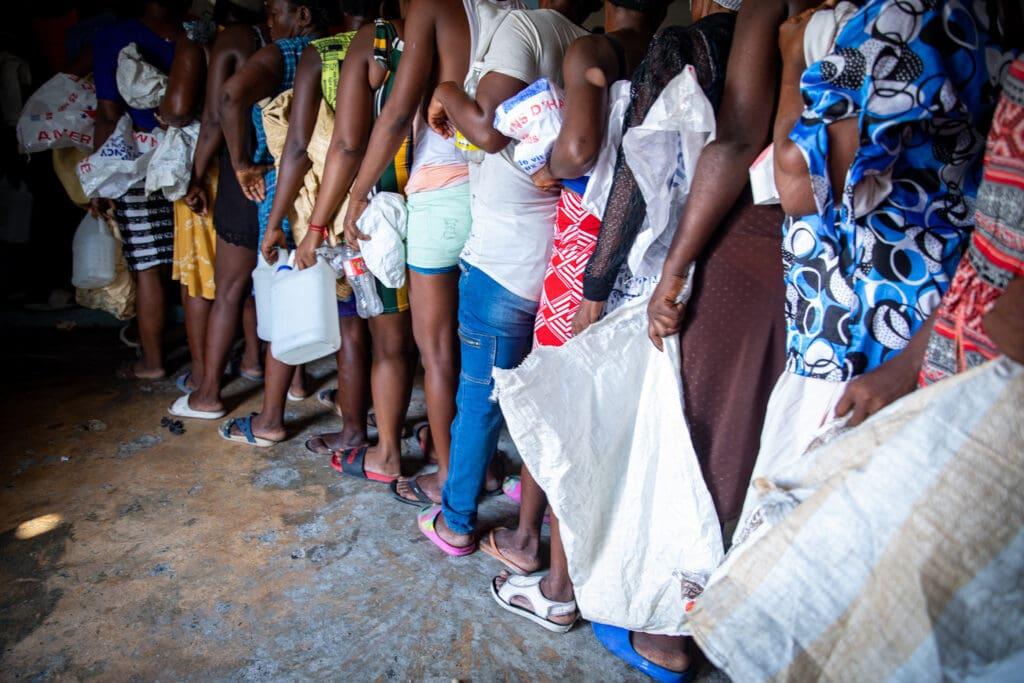
As the Caribbean grapples with a multitude of humanitarian crises exacerbated by natural disasters, economic challenges, and health emergencies, the global community faces a pressing call to action. From hurricanes and earthquakes to the lingering impacts of the COVID-19 pandemic, the region has become a focal point for urgent humanitarian assistance and international cooperation. This article aims to provide an overview of the diverse responses from governments, non-governmental organizations, and international agencies in addressing these crises. Through examining case studies and collaborative efforts, we will highlight the strengths, weaknesses, and lessons learned from global interventions in the Caribbean. As we delve into the multifaceted nature of these crises, it becomes increasingly clear that a coordinated, sustained response is not only essential for immediate relief but also for the long-term resilience and recovery of Caribbean nations.
Table of Contents
- Global Humanitarian Challenges in the Caribbean Region
- Assessment of International Aid Efforts and Their Impact
- Case Studies: Successful Interventions and Lessons Learned
- Strategic Recommendations for Enhanced Global Collaboration
- The Way Forward
Global Humanitarian Challenges in the Caribbean Region
The Caribbean region faces a multitude of humanitarian challenges that stem from various factors, including natural disasters, economic instability, and social inequalities. Hurricanes frequently devastate the islands, leading to severe loss of life and infrastructure, while economic vulnerabilities exacerbate food insecurity and limit access to essential services. Furthermore, the ongoing impacts of climate change threaten the fragile ecosystems and livelihoods of communities, necessitating urgent and coordinated global responses. Critical issues include:
- Natural Disasters: Hurricanes and tropical storms
- Climate Change: Rising sea levels and extreme weather
- Food Security: Limited agricultural capacity and imports dependency
- Public Health: Access to healthcare services during crises
Efforts to address these challenges have intensified, with regional and international organizations collaborating to implement sustainable solutions. Multi-sectoral approaches are essential, integrating humanitarian aid with development initiatives to build resilience in vulnerable communities. For example, the enhancement of early warning systems and infrastructure improvements are crucial for disaster preparedness. Below is an overview of the humanitarian responses currently in place:
| Type of Response | Description | Key Contributors |
|---|---|---|
| Disaster Relief | Emergency supplies and medical aid delivery | UN, NGOs, Governments |
| Sustainable Development | Community capacity building and agriculture enhancements | World Bank, Local Governments |
| Climate Action | Investments in renewable energy and adaptation projects | International Climate Fund, Local Enterprises |
Assessment of International Aid Efforts and Their Impact
International aid efforts in response to humanitarian crises in the Caribbean have seen both effectiveness and challenges. Various organizations, from governmental bodies to non-profits, have mobilized resources to provide immediate relief and long-term recovery solutions in affected nations. Key components of these efforts have included:
- Emergency Relief Supplies: Distribution of food, water, medical supplies, and temporary shelters.
- Capacity Building: Training local communities in disaster preparedness and resilience techniques.
- Financial Support: Grants and loans to help governments restore infrastructure and services.
However, the impact of international aid is often tempered by logistical challenges and local governance issues. Although these interventions provide a vital lifeline, they can also inadvertently foster dependency or overlook the importance of local knowledge and participation. To better understand the effectiveness, many agencies are now focusing on data-driven assessments using key indicators. The table below outlines some relevant metrics used to evaluate the success of aid initiatives:
| Indicator | Importance | Current Status |
|---|---|---|
| Disaster Response Time | Speed of initial aid delivery | 3-5 days |
| Local Governance Engagement | Involvement of local authorities in planning | Limited |
| Community Training Programs | Empowerment through education | Increasing |
Case Studies: Successful Interventions and Lessons Learned
One of the most notable interventions took place during the Hurricane Maria disaster in Puerto Rico, where a collaborative response from local NGOs and international aid organizations made a significant impact. Teams provided immediate assistance in the form of food and water distribution, medical aid, and shelter to thousands displaced by the hurricane. Key lessons learned from this operation include the importance of local knowledge in emergency response and the necessity of building robust communication channels between aid agencies and affected communities. By incorporating locals into the planning and execution phases, responders were able to tailor assistance more effectively to the unique needs of the populations served.
Another successful case study emerged from the Haitian earthquake, where a multi-agency approach included partnerships between the United Nations, local government, and various non-profits. This collaborative effort facilitated a comprehensive relief strategy focused on immediate human needs, while laying the groundwork for long-term recovery. Lessons learned emphasized the value of maintaining flexibility in the response plan, as unforeseen challenges regularly arose. Additionally, a table was developed to track resource allocation, which ensured transparency and accountability among the organizations involved.
| Resource | Allocated Amount | Purpose |
|---|---|---|
| Food Supplies | $500,000 | Emergency Relief |
| Medical Supplies | $300,000 | Healthcare Support |
| Housing Materials | $200,000 | Reconstruction Efforts |
Strategic Recommendations for Enhanced Global Collaboration
To foster more effective global collaboration in responding to humanitarian crises in the Caribbean, it is essential to implement several strategic recommendations that leverage multi-stakeholder partnerships. Governments, NGOs, and international bodies should unify their efforts by establishing a triage system for crisis response that prioritizes resources based on urgency and impact. This system can be fortified by adopting transparent communication channels that facilitate real-time data sharing, allowing stakeholders to assess needs quickly and allocate resources efficiently. Additionally, creating a centralized digital platform for coordination will improve logistical operations, providing updates on resource availability and distribution efforts.
Furthermore, investing in capacity building programs for local communities is vital to strengthen resilience against future crises. Initiatives should focus on enhancing local disaster response capabilities, including training programs and workshops led by experienced practitioners. Engaging local populations not only fosters mutual respect but also ensures that interventions are culturally appropriate and sustainable long-term. To support these efforts, financial mechanisms such as emergency funds and grants specifically targeted for Caribbean nations should be established, allowing quick access to capital in times of need. Coordination among international agencies and private sector stakeholders can also be enhanced through regular joint exercises and simulations, which will improve readiness and responsiveness when crises occur.
The Way Forward
the Caribbean’s vulnerability to natural disasters and socio-economic challenges necessitates a concerted global response that is both timely and effective. As we have explored, international organizations, governments, and NGOs play critical roles in providing relief and fostering resilience in the face of humanitarian crises. While significant strides have been made, there remains a pressing need for increased collaboration, enhanced funding, and more sustainable approaches to disaster risk reduction. The ongoing crises in the region serve as a clarion call for the global community to reaffirm its commitment to not only respond to immediate needs but also to invest in long-term solutions that empower Caribbean nations to recover and thrive. As we look to the future, a unified approach will be essential in ensuring that the Caribbean can withstand the inevitable challenges that lie ahead.