


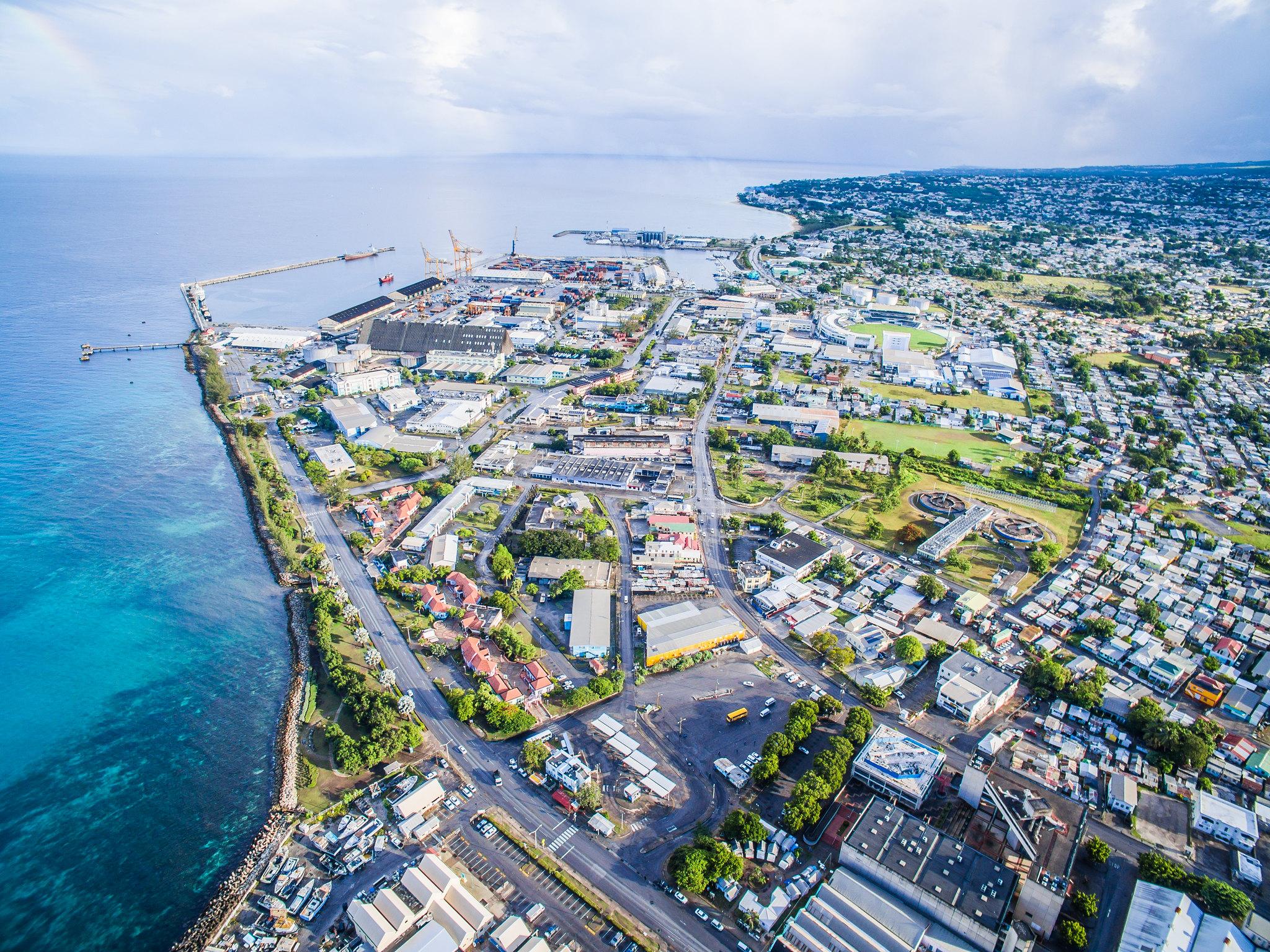
In an era marked by rapid urbanization and the pressing need for sustainable development, Caribbean cities are stepping into a new phase of transformation. As the region faces unique challenges including climate change, population growth, and economic disparities, innovative infrastructure initiatives are emerging as key solutions to enhance resilience and improve the quality of life for residents. From smart city projects harnessing cutting-edge technology to sustainable transport systems and eco-friendly building practices, these initiatives are not only reshaping urban landscapes but are also setting a precedent for holistic development in the Caribbean. This article explores the latest ventures aimed at revolutionizing urban spaces across the region, highlighting their potential to foster economic growth, promote environmental stewardship, and create vibrant communities.
Table of Contents
- Revitalizing Urban Transport Networks to Enhance Connectivity in Caribbean Cities
- Integrating Sustainable Practices in Urban Development for Future-Ready Infrastructure
- Strengthening Resilience Against Climate Change Through Innovative City Planning
- Empowering Local Communities Through Participatory Infrastructure Design Approaches
- The Conclusion
Revitalizing Urban Transport Networks to Enhance Connectivity in Caribbean Cities
As Caribbean cities grapple with the challenges of urbanization, revitalizing transport networks has become paramount for enhancing connectivity. Innovative infrastructure initiatives are being rolled out across the region, aimed at making transportation more efficient and accessible. These initiatives encompass a range of developments, including the introduction of dedicated bus lanes, cycling paths, and pedestrian zones, all designed to promote sustainable commuting. Key benefits of enhancing urban transport networks include:
- Decreased Traffic Congestion: Streamlined routes will ease the flow of vehicles.
- Environmental Sustainability: Promoting public transport and cycling will reduce carbon emissions.
- Economic Growth: Improved connectivity can boost local businesses by increasing foot traffic.
Furthermore, strategic partnerships between governments, private sector stakeholders, and community organizations are vital for successful implementation. Investment in technology, such as real-time tracking systems for public transportation, can vastly improve user experience, making commuting more reliable. Here is a summary of the proposed infrastructure projects:
| Project | Location | Expected Completion |
|---|---|---|
| Rapid Bus System | Kingston, Jamaica | 2025 |
| Cycling Trails | Barbados | 2024 |
| Pedestrian Revitalization | Port of Spain, Trinidad | 2023 |
Integrating Sustainable Practices in Urban Development for Future-Ready Infrastructure
As Caribbean cities embark on a journey towards modernization, integrating sustainable practices into urban development emerges as a game-changing strategy for fostering resilience. To ensure these initiatives align with the region’s unique ecological and cultural landscapes, urban planners are increasingly focusing on green infrastructure solutions. Such approaches not only reduce the urban heat island effect but also promote biodiversity and enhance residents’ quality of life. This shift is demonstrated through the implementation of eco-friendly parks, green roofs, and permeable pavements, which effectively manage stormwater and improve air quality.
Key stakeholders, including governmental bodies, private sector players, and community organizations, are collaborating to design future-ready infrastructure. Prioritizing renewable energy sources in new developments is becoming essential, with solar panel installations and wind turbines now commonplace. Moreover, cities are adopting robust public transportation systems to decrease reliance on fossil fuels and mitigate traffic congestion. The following table summarizes critical elements of sustainable practices in urban development:
| Element | Description |
|---|---|
| Green Spaces | Enhancing urban biodiversity and providing recreational areas for communities. |
| Energy Efficiency | Utilizing renewable energy sources in construction and operations. |
| Smart Technologies | Incorporating IoT and data analytics for efficient resource management. |
Strengthening Resilience Against Climate Change Through Innovative City Planning
As Caribbean cities face the brunt of climate change, innovative city planning plays a vital role in enhancing resilience. Through a series of progressive infrastructure initiatives, urban planners are prioritizing sustainability while addressing the unique challenges posed by rising sea levels, extreme weather events, and resource scarcity. Key strategies include the development of green roofs, permeable pavements, and urban forests that not only mitigate flooding but also improve air quality and enhance urban biodiversity. These initiatives are designed to increase the adaptive capacity of cities, ensuring they are not only resilient to current environmental stresses but also equipped to handle future uncertainties.
Furthermore, the integration of smart technology into urban infrastructures offers unprecedented opportunities for real-time data analysis and responsive urban management. By utilizing sensors and IoT devices, city officials can monitor environmental changes, optimize resource allocation, and enhance citizen engagement. Example initiatives being deployed include:
- Smart Water Management Systems: Technologies that monitor water supply and consumption, reducing waste.
- Renewable Energy Projects: Implementation of solar panels and wind turbines in public spaces to reduce dependency on fossil fuels.
- Flood Resilience Infrastructure: Construction of barriers and levees designed to withstand storm surges and protect vulnerable areas.
These innovative approaches not only fortify cities against climate challenges but also empower local communities, foster economic growth, and create a healthier urban environment for future generations. Recognizing the need for collaboration, city planners are actively engaging with residents to co-design solutions that reflect the needs and aspirations of the community. This holistic method of urban development is essential for cultivating resilient cities ready to thrive in the face of climate change.
Empowering Local Communities Through Participatory Infrastructure Design Approaches
Participatory infrastructure design approaches have emerged as a game-changer for local communities in the Caribbean, fostering a sense of ownership and inclusivity among residents. By directly engaging community members in the planning and development of their environments, these initiatives not only enhance the relevance of infrastructure projects but also empower individuals to voice their needs and preferences. Such engagement leads to diverse benefits, including:
- Enhanced community resilience: Residents are more likely to take care of their infrastructure when they have a role in its design.
- Culturally relevant solutions: Tailoring projects to reflect local customs and lifestyles ensures higher acceptance rates.
- Improved social cohesion: Collaborative efforts foster stronger ties among residents, leading to increased trust and collaboration.
Moreover, programs that prioritize participatory design tend to highlight transparency and accountability within local governments. As officials work alongside community members, a more profound understanding of local challenges emerges, paving the way for innovative solutions. Noteworthy examples include:
| Project Name | Location | Community Role |
|---|---|---|
| Green Spaces Initiative | Port of Spain, Trinidad | Design workshops held with residents |
| Smart Water Management | Kingston, Jamaica | Community monitoring groups established |
| Inclusive Transport Systems | Georgetown, Guyana | Stakeholder forums for feedback |
The Conclusion
As Caribbean cities stand on the brink of transformative change, the introduction of innovative infrastructure initiatives promises not only to modernize urban landscapes but also to enhance the quality of life for residents across the region. By prioritizing sustainable practices and community engagement, these developments aim to address pressing challenges such as climate resilience, transportation efficiency, and economic growth. As governments, private sectors, and local communities work collaboratively, the vision for smarter, greener cities becomes increasingly attainable. The success of these initiatives will depend on continuous investment, strategic planning, and a commitment to inclusivity. As the Caribbean embarks on this pivotal journey, the world watches closely, eager to see how these efforts will shape the future of urban living in one of the globe’s most vibrant regions.