


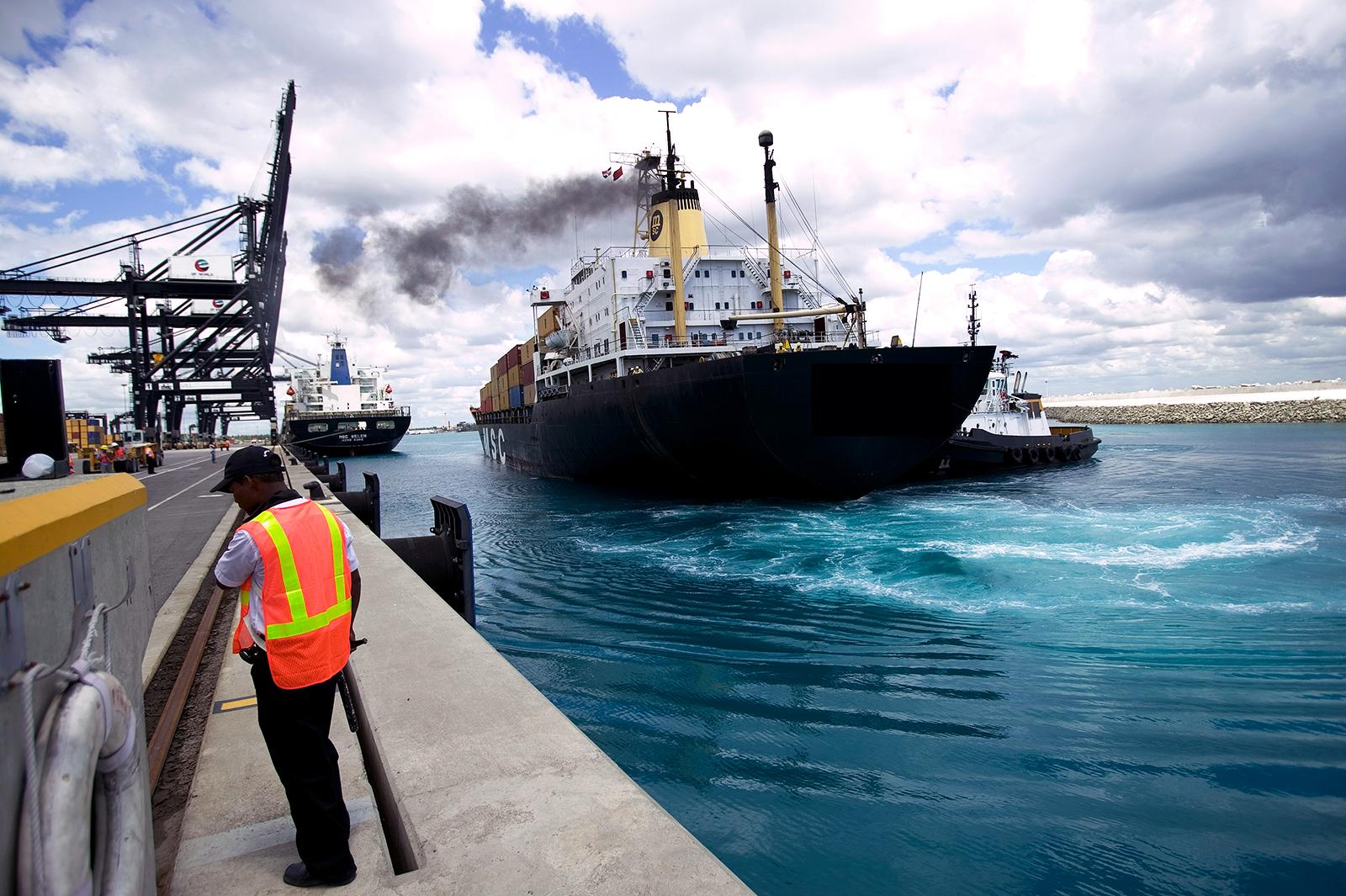
In an age where global supply chains face unprecedented disruptions, the Caribbean region stands at a critical crossroads. Recent events, from natural disasters to geopolitical tensions, have underscored the vulnerabilities of interconnected economies. For Caribbean nations, where tourism and agriculture form the backbone of economic stability, enhancing supply chain resilience is not merely an option—it is an imperative. This article delves into the multifaceted strategies needed to fortify supply chains across the Caribbean, exploring innovations in logistics, technology integration, and regional collaboration. By embracing these proactive measures, Caribbean nations can not only withstand external shocks but also pave the way for sustainable economic growth and development in an increasingly complex global marketplace.
Table of Contents
- Enhancing Logistics Infrastructure for Efficient Supply Chain Management
- Adopting Technology and Digital Tools to Boost Transparency and Agility
- Building Strategic Partnerships to Foster Regional Cooperation and Support
- Investing in Sustainable Practices for Long-Term Supply Chain Resilience
- Final Thoughts
Enhancing Logistics Infrastructure for Efficient Supply Chain Management
To foster a resilient supply chain, it is crucial to enhance the logistics infrastructure across the Caribbean. This involves investing in key areas that can streamline operations and reduce bottlenecks. Modernizing ports and airports, along with upgrading road and rail networks, will facilitate faster movement of goods. Additionally, implementing advanced technology such as automated inventory systems and real-time tracking software will improve visibility and efficiency. Collaboration among stakeholders, including government agencies and private sector participants, is essential to develop joint strategies that address shared challenges.
Moreover, strengthening logistics capabilities also requires focused training programs for workforce development. A skilled labour force can effectively manage sophisticated logistics operations, ultimately driving productivity. Considerations for sustainability and resilience in logistics planning can further enhance the region’s capability to withstand disruptions. Below is a brief overview of proposed investments that can reshape the logistics landscape:
| Investment Area | Expected Outcome |
|---|---|
| Port Upgrades | Increased cargo handling capacity |
| Road Infrastructure | Reduced transit time for shipments |
| Workforce Training | Enhanced operational efficiency |
| Technology Adoption | Improved supply chain visibility |
Adopting Technology and Digital Tools to Boost Transparency and Agility
The integration of technology and digital tools plays a pivotal role in enhancing supply chain operations within the Caribbean. By leveraging advanced systems, businesses can facilitate real-time data sharing, which promotes greater transparency and a more responsive supply chain. Key technologies including supply chain management (SCM) software, blockchain, and Internet of Things (IoT) devices allow stakeholders to track goods’ movements, monitor conditions, and assess delays instantaneously. This real-time oversight not only strengthens operational integrity but also fosters trust among partners by ensuring accountability throughout the supply chain.
Moreover, the agility of Caribbean supply chains can be significantly improved through digitization. By embracing cloud-based solutions and mobile applications, businesses can quickly adapt to changes in demand and streamline processes. Automation tools can enhance productivity, reduce operational costs, and minimize human error. The following factors further illustrate how adopting digital tools can lead to a more resilient supply chain:
- Enhanced communication: Seamless information exchange among suppliers and customers.
- Predictive analytics: Anticipating market changes through data-driven insights.
- Increased flexibility: Quick adjustment to logistical challenges and market shifts.
To exemplify the impact of these technologies, consider the following table showcasing various digital tools and their benefits:
| Digital Tool | Benefits |
|---|---|
| Supply Chain Management Software | Improved tracking and resource allocation |
| Blockchain Technology | Enhanced security and trust through transparency |
| AI-Powered Analytics | Predictive capabilities for demand forecasting |
Building Strategic Partnerships to Foster Regional Cooperation and Support
In today’s interconnected world, aligning efforts across borders is crucial for building resilient supply chains in the Caribbean. Strategic partnerships among governments, private sector entities, and civil society organizations can drive initiatives that bolster regional cooperation. By fostering collaborative frameworks, stakeholders can effectively share resources, expertise, and technology to optimize supply chain performance. These alliances can also facilitate knowledge transfer, enabling all participants to adapt to emerging challenges and capitalize on new opportunities in the marketplace.
To effectively harness these partnerships, several key areas of focus should be prioritized:
- Joint Infrastructure Development: Collaborating on transport and logistics infrastructure to enhance connectivity.
- Shared Knowledge Platforms: Establishing forums for exchanging best practices and innovative solutions.
- Policy Alignment: Advocating for harmonized regulations that simplify cross-border trade.
- Capacity Building: Investing in training programs to enhance workforce skills relevant to supply chain management.
| Partnership Model | Description |
|---|---|
| Government Alliances | Collaborative agreements to streamline trade policies across nations. |
| Private Sector Coalitions | Consortiums of companies focusing on shared supply chain innovation. |
| Civil Society Engagement | Involvement of NGOs to advocate for sustainable sourcing practices. |
Investing in Sustainable Practices for Long-Term Supply Chain Resilience
Investing in sustainable practices is no longer just a moral imperative; it is a strategic necessity for businesses navigating the complexities of modern supply chains. By adopting eco-friendly methods, companies can enhance their operational efficiency and mitigate risks associated with climate change and resource scarcity. This approach can lead to improved stakeholder relations and increased consumer loyalty, as today’s consumers are increasingly supporting businesses that prioritize sustainability. Key strategies that enterprises may consider include:
- Utilizing renewable energy sources to reduce carbon footprints.
- Implementing waste reduction strategies to promote circular economy principles.
- Enhancing supplier selection criteria to prioritize environmentally responsible partners.
The integration of sustainable practices not only safeguards the environment but also fosters resilience within supply chains. A focus on sustainability allows businesses to be adaptable in the face of disruptions, such as natural disasters or geopolitical tensions. Furthermore, companies that invest in transparency and ethical sourcing can better navigate regulatory environments and harness potential government incentives for sustainable initiatives. Some key benefits of this investment include:
| Benefit | Description |
|---|---|
| Risk Mitigation | Reduced vulnerability to supply disruptions. |
| Cost Savings | Lower operational costs through efficient resource use. |
| Brand Enhancement | Improved reputation and customer loyalty. |
Final Thoughts
the resilience of Caribbean supply chains is not simply a strategic necessity; it is a vital component for the region’s sustained economic growth and stability. As we navigate the complexities of a global marketplace increasingly influenced by unpredictable events, leveraging local resources, embracing technological advancements, and fostering regional collaboration will be key to fortifying these vital networks. The potential benefits of a robust and resilient supply chain are considerable, promising not only to enhance the efficiency and reliability of goods and services but also to contribute to the overall prosperity of Caribbean nations. Policymakers, businesses, and stakeholders must work hand in hand to implement innovative solutions and ensure that the lessons learned from recent challenges are transformed into proactive strategies. By prioritizing the strengthening of these supply chains, the Caribbean can emerge not only more resilient but also better positioned to thrive in the face of future uncertainties.