


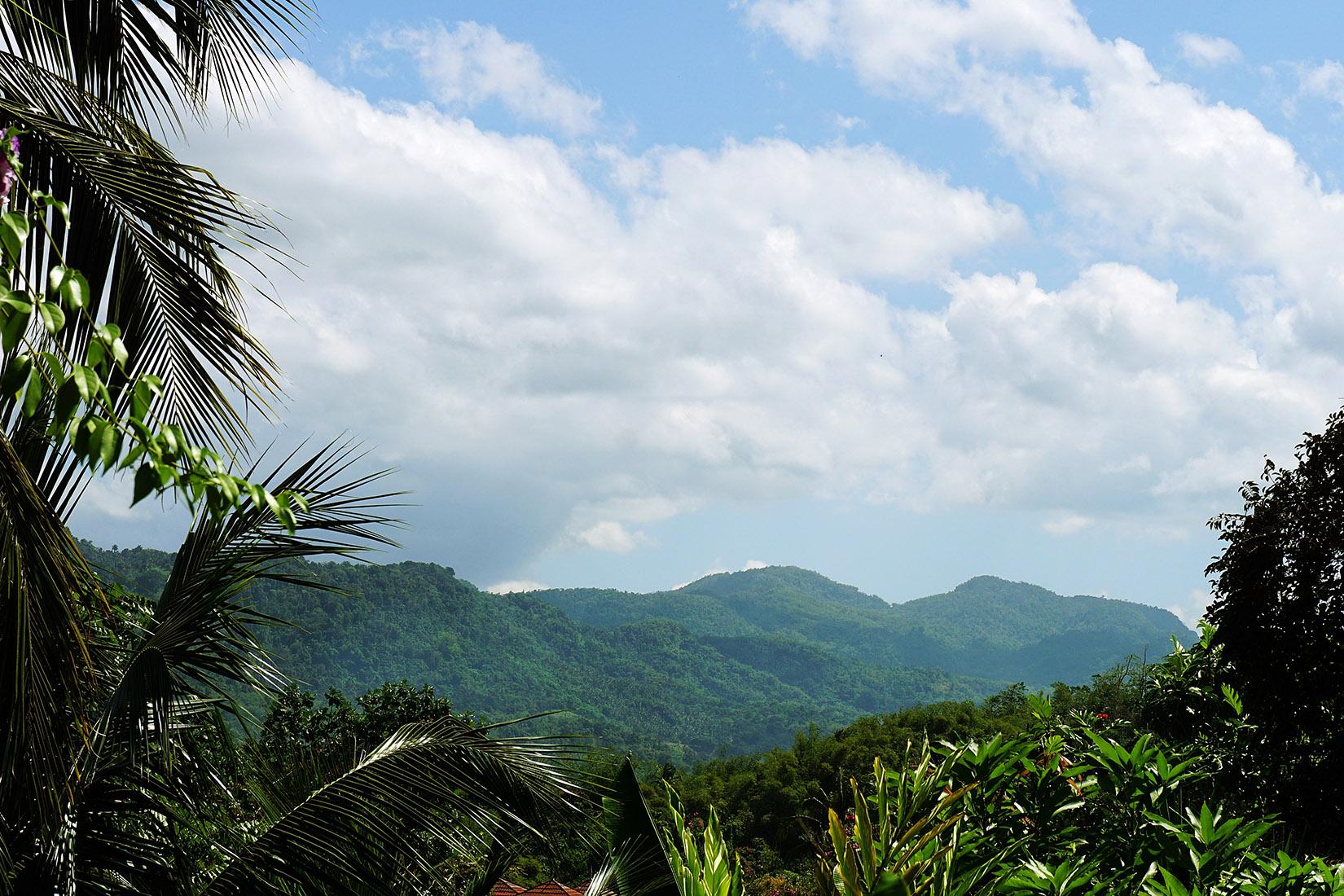
In the heart of the Caribbean lies an exquisite tapestry of lush forests, teeming with biodiversity and cultural significance. Yet, beneath their vibrant canopy, these woodlands serve a role far beyond their stunning landscapes and ecological wonders: they are vital carbon sinks, critical in our fight against climate change. As the world grapples with the escalating impacts of climate change, the importance of safeguarding these forests has never been more evident. This article explores the immense potential of Caribbean forests in mitigating carbon emissions, highlights the urgent need for conservation efforts, and showcases innovative strategies being employed across the region to unlock their true potential. Join us as we delve into the intricate relationship between these verdant ecosystems and the broader challenges of our climate crisis, underscoring why protecting Caribbean forests is not just an environmental imperative but a blueprint for a sustainable future.
Table of Contents
- Understanding the Role of Caribbean Forests in Global Carbon Sequestration
- Biodiversity and Ecosystem Services: Why Protecting Forests Matters for Climate Resilience
- Innovative Approaches to Sustainable Forestry and Carbon Management
- Policy Frameworks and Community Engagement: Catalysts for Effective Climate Action
- Future Outlook
Understanding the Role of Caribbean Forests in Global Carbon Sequestration
Caribbean forests are often overlooked in the global context, yet they play a crucial role in carbon sequestration. These lush ecosystems are significant carbon sinks, capturing carbon dioxide from the atmosphere and storing it in their biomass and soil. The unique biodiversity of the region, including countless tree species, shrubs, and undergrowth, not only contributes to the resilience of these forests but also enhances their capacity to absorb carbon. Furthermore, healthy forests maintain soil integrity, reduce erosion, and provide habitat for wildlife, creating a multifaceted ecological benefit that extends far beyond mere carbon capture.
Unfortunately, many of these forests face serious threats from deforestation and climate change. Addressing these challenges requires urgent and concerted efforts. A sustainable management approach can significantly boost the carbon storage potential of these vital ecosystems. Key factors include:
- Reforestation and Afforestation: Planting native trees can restore degraded areas and increase overall carbon capture.
- Forest Protection: Enforcing laws and policies that safeguard existing forests from illegal logging and land conversion.
- Community Engagement: Involving local communities in conservation efforts fosters stewardship and sustainable practices.
| Action | Impact on Carbon Sequestration |
|---|---|
| Reforestation | Restores carbon balance, rejuvenates habitats |
| Forest Protection | Prevents emissions from deforestation |
| Community Involvement | Enhances sustainable practices, increases awareness |
Biodiversity and Ecosystem Services: Why Protecting Forests Matters for Climate Resilience
Forests are significantly more than just collections of trees; they are complex ecosystems that provide a wide range of services essential for both nature and humanity. These natural reserves act as carbon sinks, absorbing significant amounts of carbon dioxide from the atmosphere, thus reducing the impacts of climate change. By protecting forests, we not only preserve plant and animal species, promoting biodiversity, but also maintain the intricate web of life that sustains our planet’s health. The diverse genetic resources found in these ecosystems can lead to innovative solutions for local and global challenges, including food security, medicine, and climate adaptation.
Moreover, forests play a crucial role in water regulation, soil conservation, and nutrient cycling. They help maintain local and regional climates, supporting precipitation patterns that are vital for agriculture and freshwater supplies. Engaging local communities in forest conservation efforts fosters stewardship and sustainable practices that serve to enhance resilience against climatic fluctuations. The following table illustrates some of the vital ecosystem services provided by Caribbean forests:
| Service | Description |
|---|---|
| Carbon Sequestration | Absorbs and stores carbon dioxide, mitigating climate change. |
| Biodiversity Hotspot | Home to numerous plant and animal species, promoting ecological balance. |
| Soil Protection | Prevents erosion and nutrient loss, supporting agriculture. |
| Water Filtration | Improves water quality by filtering pollutants and sediments. |
Innovative Approaches to Sustainable Forestry and Carbon Management
The Caribbean region, rich in biodiversity and lush landscapes, presents a unique opportunity for implementing cutting-edge strategies that enhance both sustainable forestry practices and carbon management. By integrating traditional ecological knowledge with modern technology, Caribbean nations can develop adaptive management systems that not only protect these vital ecosystems but also increase their capacity to sequester carbon. Innovative approaches include:
- Agroforestry Systems: Combining agriculture with forestry can enhance biodiversity while providing farmers with new income sources.
- Forest Restoration Projects: Rehabilitating degraded lands to restore forest cover can significantly bolster carbon storage while improving local ecosystems.
- Community Engagement: Involving local communities in forest management ensures that strategies are culturally appropriate and economically viable.
Furthermore, leveraging technological advancements can fundamentally transform carbon management practices in Caribbean forests. Utilizing remote sensing and GIS technologies allows for accurate monitoring of forest cover changes and health, enabling targeted interventions. Implementing blockchain technology can enhance transparency and accountability in carbon credit trading, fostering trust among stakeholders. A comparative analysis of traditional versus innovative practices could be illustrated in the table below:
| Practice Type | Traditional Approaches | Innovative Approaches |
|---|---|---|
| Forest Management | Selective logging | Precision forestry with drones |
| Monitoring | Ground surveys | Satellite imaging |
| Community Involvement | Top-down decision-making | Collaborative governance models |
Policy Frameworks and Community Engagement: Catalysts for Effective Climate Action
In the Caribbean, effective climate action is intrinsically linked to robust policy frameworks and active community engagement. Governments and local organizations must collaborate to create policies that not only recognize the value of forests as carbon sinks but also empower communities to participate in their stewardship. This collaborative approach can lead to the development of sustainable forest management plans that incorporate local knowledge and practices, fostering a sense of ownership among community members. Engaging local stakeholders ensures that policies are not only beneficial on paper but are also practically applicable and culturally relevant.
The role of community engagement extends beyond mere participation; it is pivotal in driving initiatives that contribute to climate resilience. By harnessing the power of grassroots movements, we can implement practices such as:
- Reforestation programs that involve local schools and youth organizations.
- Training workshops that educate communities on sustainable forestry practices.
- Citizen science initiatives that encourage locals to monitor forest health and biodiversity.
These actions not only enhance the ecological integrity of Caribbean forests but also strengthen community bonds and elevate local capacities for climate adaptation. A well-structured policy framework combined with committed community engagement becomes a powerful catalyst for transformative climate action in the region.
Future Outlook
As we conclude our exploration of the vital role Caribbean forests play as carbon sinks, it’s clear that their preservation and restoration are not just environmental imperatives, but crucial components of our global climate strategy. These lush ecosystems sequester significant amounts of carbon, mitigate the impacts of climate change, and provide invaluable resources to local communities and wildlife alike.
However, the task ahead requires collective action, innovative policies, and investment in sustainable practices that prioritize the health of these forests. By embracing a holistic approach that combines conservation with sustainable development, we can ensure that these vital carbon sinks continue to thrive for generations to come.
Let us remember that every tree we protect and every forest we restore is a step towards a more sustainable future. As stakeholders—from governments and NGOs to local communities and individuals—our involvement is not just beneficial; it’s imperative. Together, we have the power to unlock the full potential of Caribbean forests in the fight against climate change.
Join the conversation, support meaningful initiatives, and be an advocate for the trees that do so much for our planet. The time to act is now—let’s ensure that our Caribbean forests remain vibrant, resilient, and vital for a sustainable future.