


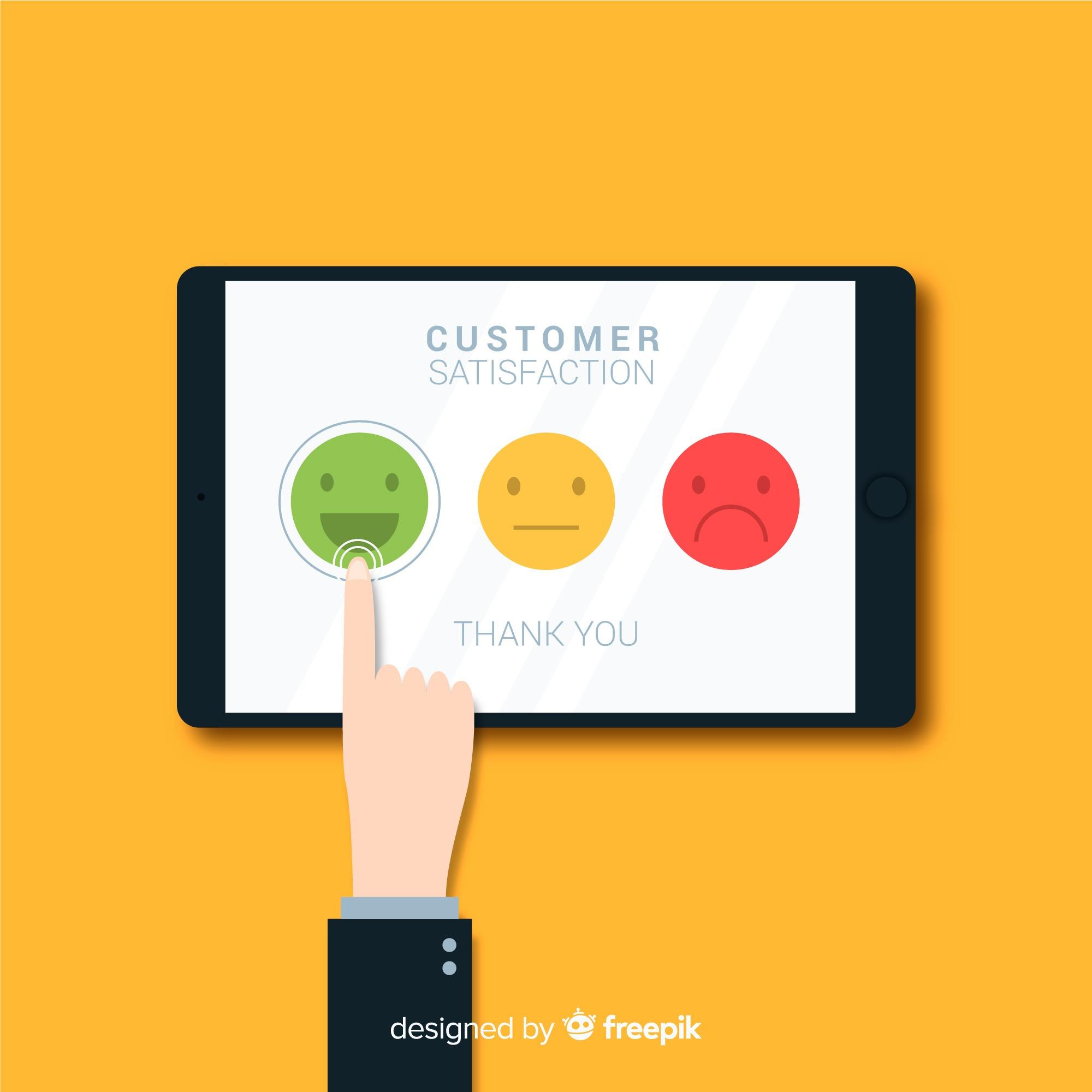
In today’s fast-paced and ever-evolving business landscape, understanding your customers’ perspectives has never been more essential. Gone are the days when companies could rely solely on intuition or past experiences to shape their strategies. Today, customer feedback serves as a pivotal compass, guiding organizations toward improved products, services, and overall customer satisfaction. By listening actively to what customers have to say, businesses can unlock invaluable insights that spur innovation and foster loyalty. In this article, we will explore the critical importance of customer feedback, how it can drive meaningful change within your organization, and practical strategies for effectively harnessing this feedback to achieve sustained success. Whether you’re a startup seeking to carve out your niche or an established brand looking to enhance your customer experience, the power of feedback is a key that can open the door to perpetual growth and development.
Table of Contents
- Understanding the Value of Customer Feedback in Business Growth
- Effective Strategies for Collecting and Analyzing Customer Insights
- Transforming Feedback into Actionable Improvements
- Building a Feedback-Driven Culture for Long-Term Success
- In Summary
Understanding the Value of Customer Feedback in Business Growth
Customer feedback serves as an invaluable compass for businesses, guiding them towards improvement and innovation. By actively soliciting and analyzing feedback, companies can gain insights into customer preferences and pain points, facilitating informed decision-making. This two-way dialog fosters a deeper relationship with your audience and shows that you value their opinions. The result? Enhanced customer loyalty and retention, which are pivotal contributors to sustainable growth.
In maximizing the benefits of customer feedback, businesses can implement several strategies:
- Regular Surveys: Periodic questionnaires can uncover customer satisfaction levels and areas for improvement.
- Focus Groups: Engaging small groups offers detailed insights and deeper understanding of consumer behavior.
- Online Reviews: Monitoring and responding to reviews allows businesses to address issues quickly and effectively.
| Feedback Method | Benefits |
|---|---|
| Surveys | Quick, quantifiable data |
| Focus Groups | In-depth understanding |
| Online Reviews | Public sentiment tracking |
Effective Strategies for Collecting and Analyzing Customer Insights
To effectively collect and analyse customer insights, it’s essential to adopt a multi-faceted approach that embraces various channels and methodologies. Surveys and feedback forms are traditional yet powerful tools that allow customers to share their opinions directly. Using platforms like SurveyMonkey or Google Forms can streamline this process. Additionally, leveraging social media listening tools can provide real-time insights into customer sentiments and behaviors, helping businesses gauge their reputation and identify trends. Don’t overlook the importance of interviews and focus groups, as they can yield rich qualitative data that quantitative methods may miss. Engage your audience through:
- Email Surveys: Send tailored surveys to your customers post-purchase.
- Engagement on Social Media: Involve your audience in discussions to gather informal feedback.
- Customer Reviews: Analyze feedback on platforms like Yelp or Google Reviews for common themes.
Once the insights are collected, the real work begins with analysis. Employing analytics software like Google Analytics or Tableau helps in aggregating data effectively. Utilize segmentation to identify patterns among different customer demographics, which can reveal invaluable opportunities for tailored marketing strategies. Incorporating tools such as sentiment analysis can also quantify customer feelings towards your brand. To visualize findings, consider the following table structure for clear and concise data presentation:
| Channel | Insights Gained | Action Taken |
|---|---|---|
| Email Surveys | 65% satisfaction rate | Improved product features |
| Social Media | Buzz around new launch | Increased promotional activities |
| Customer Reviews | Common complaints | Preemptive customer service |
Transforming Feedback into Actionable Improvements
Turning customer feedback into tangible actions is a vital process that directly influences business growth and client satisfaction. By systematically analyzing feedback, businesses can pinpoint areas that require enhancement. To effectively transform this feedback into actionable improvements, consider the following strategies:
- Prioritize Feedback: Not all feedback holds the same weight. Identify the most recurring themes or critical issues raised by customers.
- Collaborate Across Teams: Engage various departments, from marketing to customer service, to create a holistic approach to addressing feedback.
- Implement Quick Wins: Addressing minor issues can yield significant improvements in customer satisfaction.
Once areas for improvement are identified, it’s crucial to develop a structured plan for implementation. This ensures that changes are not only effective but also sustainable over the long term. Consider leveraging a feedback loop, combining both quantitative metrics and qualitative insights, to gauge the impact of the changes made:
| Feedback Type | Action Taken | Impact Measure |
|---|---|---|
| User Interface Complaints | Redesigned navigation | 15% increased user engagement |
| Slow Response Times | Enhanced customer service training | 20% faster response rate |
| Product Functionality Issues | Released software update | 10% decrease in support tickets |
Building a Feedback-Driven Culture for Long-Term Success
Creating a culture that prioritizes feedback is essential for any organization aiming for sustainable success. Embracing feedback means not only listening to what customers have to say but also making meaningful changes based on their insights. Active engagement with customers can be achieved through multiple channels, such as surveys, social media interactions, and direct communication. This proactive approach fosters trust and loyalty among customers, as they feel valued and acknowledged. By integrating feedback into decision-making processes, companies can continually refine their offerings and stay attuned to market needs.
To effectively establish a feedback-driven culture, organizations should focus on a few key strategies:
- Encourage Open Communication: Make it easy for customers to provide their thoughts without barriers.
- Implement Feedback Loops: Regularly gather and respond to feedback, demonstrating commitment to improvement.
- Recognize Contributions: Acknowledge customer feedback publicly, turning insights into a source of motivation for your team.
- Measure Impact: Track the effectiveness of changes made from feedback to gauge success and areas for further improvement.
By fostering this environment, businesses not only adapt swiftly to changes but also position themselves for long-term growth. Utilizing a structured feedback mechanism can significantly enhance customer satisfaction and loyalty, ultimately leading to increased conversions and sustained revenue streams. The diagram below illustrates how an effective feedback loop works:
| Step | Description |
|---|---|
| Gather Feedback | Collect insights from various platforms and touchpoints. |
| Analyze Data | Identify patterns and key themes from the feedback. |
| Implement Changes | Make informed adjustments based on the analyzed feedback. |
| Communicate Results | Share changes made and the impact on customers. |
| Solicit Further Feedback | Repeat the process to continuously evolve and improve. |
In Summary
customer feedback is not just a valuable resource; it is the cornerstone of a thriving business strategy. By actively listening to your customers and prioritizing their insights, you can unlock new levels of success and innovation. Whether through surveys, direct conversations, or social media interactions, harnessing this feedback allows you to adapt, improve, and ultimately enhance the customer experience. As you integrate these insights into your operational processes, remember that the journey of improvement is ongoing. Embrace the evolving needs of your customers and make feedback an integral part of your business culture. In doing so, you’ll not only foster loyalty but also position your organization for sustained success in an ever-competitive marketplace. Let customer feedback guide your decisions, and watch as your business flourishes. Thank you for reading, and here’s to your continued growth and success!